Alles Gute Im Neuen Lebensjahr - Englisch
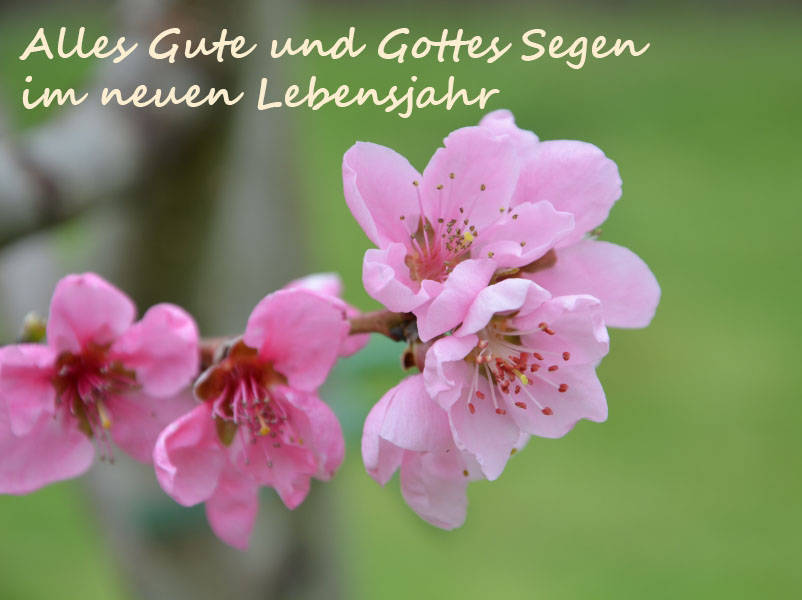
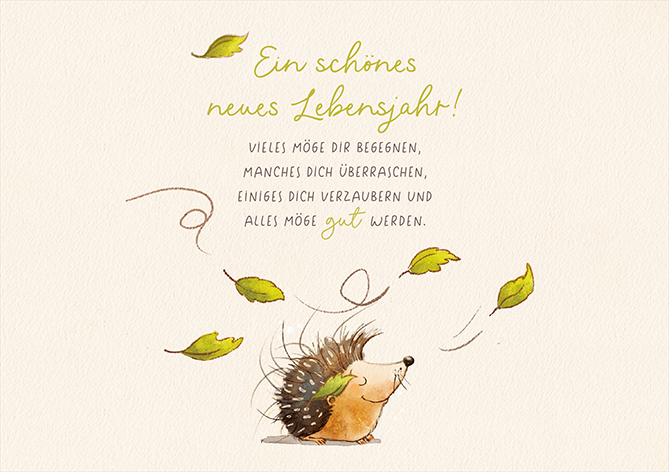
Alles Gute im neuen Lebensjahr! What does this mean? It's a German phrase used to wish someone a happy birthday. Let's break it down.
Breaking Down the Phrase
The phrase is made of several parts. Understanding each part makes the whole meaning clear.
- Alles: This means "all" or "everything." Think of it like saying "all the best."
- Gute: This means "good." It refers to good things or good wishes.
- im neuen Lebensjahr: This is the longest part. It means "in the new year of life." Lebensjahr translates to "year of life." Neu is "new." So, it's about the upcoming year after their birthday.
Putting it all together, Alles Gute im neuen Lebensjahr! translates to "All the best in the new year of life!"
Simple Translation
A simpler, more direct translation to English would be "Happy Birthday!" or "All the best for your birthday and the year ahead!" It's a warm and genuine way to express your good wishes.
When to Use It
You use this phrase *exactly* like you'd use "Happy Birthday" in English. You can say it:
- On someone's birthday.
- In a birthday card.
- In a text message or email.
- When talking about someone's birthday (e.g., "I'm going to call her and say 'Alles Gute im neuen Lebensjahr!'").
It's appropriate for friends, family, colleagues, and anyone you want to wish well.
Variations and Similar Phrases
While Alles Gute im neuen Lebensjahr! is common, there are other ways to express birthday wishes in German. Here are a few:
- Herzlichen Glückwunsch zum Geburtstag!: This translates to "Heartfelt congratulations on your birthday!" It's a more formal option.
- Alles Liebe zum Geburtstag!: This means "All the love for your birthday!" It's a more affectionate option.
- Happy Birthday!: Yes, even in Germany, many people use the English phrase "Happy Birthday!" It's widely understood.
Using Alles Gute zum Geburtstag! is also perfectly acceptable. It translates to "All the best for your birthday!" It's slightly shorter and easier to remember than Alles Gute im neuen Lebensjahr!
Pronunciation
Pronunciation can be tricky! Here's a rough guide:
- Alles: AH-less (the "a" is like in "father")
- Gute: GOO-teh (the "u" is like in "boot")
- im: im (rhymes with "him")
- neuen: NOY-en (the "eu" is like the "oy" in "boy")
- Lebensjahr: LAY-bens-yar (the "a" is like in "father")
You can find audio recordings online to help you practice the pronunciation. Don't worry too much about perfect pronunciation; Germans appreciate the effort!
Example in a Sentence
Here's an example of how to use the phrase in a conversation:
"Lisa hat heute Geburtstag. Ich werde ihr eine Karte schreiben und 'Alles Gute im neuen Lebensjahr!' wünschen."
(Lisa has a birthday today. I will write her a card and wish her 'Happy Birthday'.)
Cultural Significance
Birthdays are celebrated in Germany much like they are in many other Western countries. There's often cake, presents, and gatherings with friends and family. Using a German birthday greeting, even a simple one, shows that you've put in the effort to learn about the culture and are making a genuine connection.
So, next time you want to wish someone a happy birthday in German, remember Alles Gute im neuen Lebensjahr! It's a thoughtful and heartfelt way to celebrate their special day.