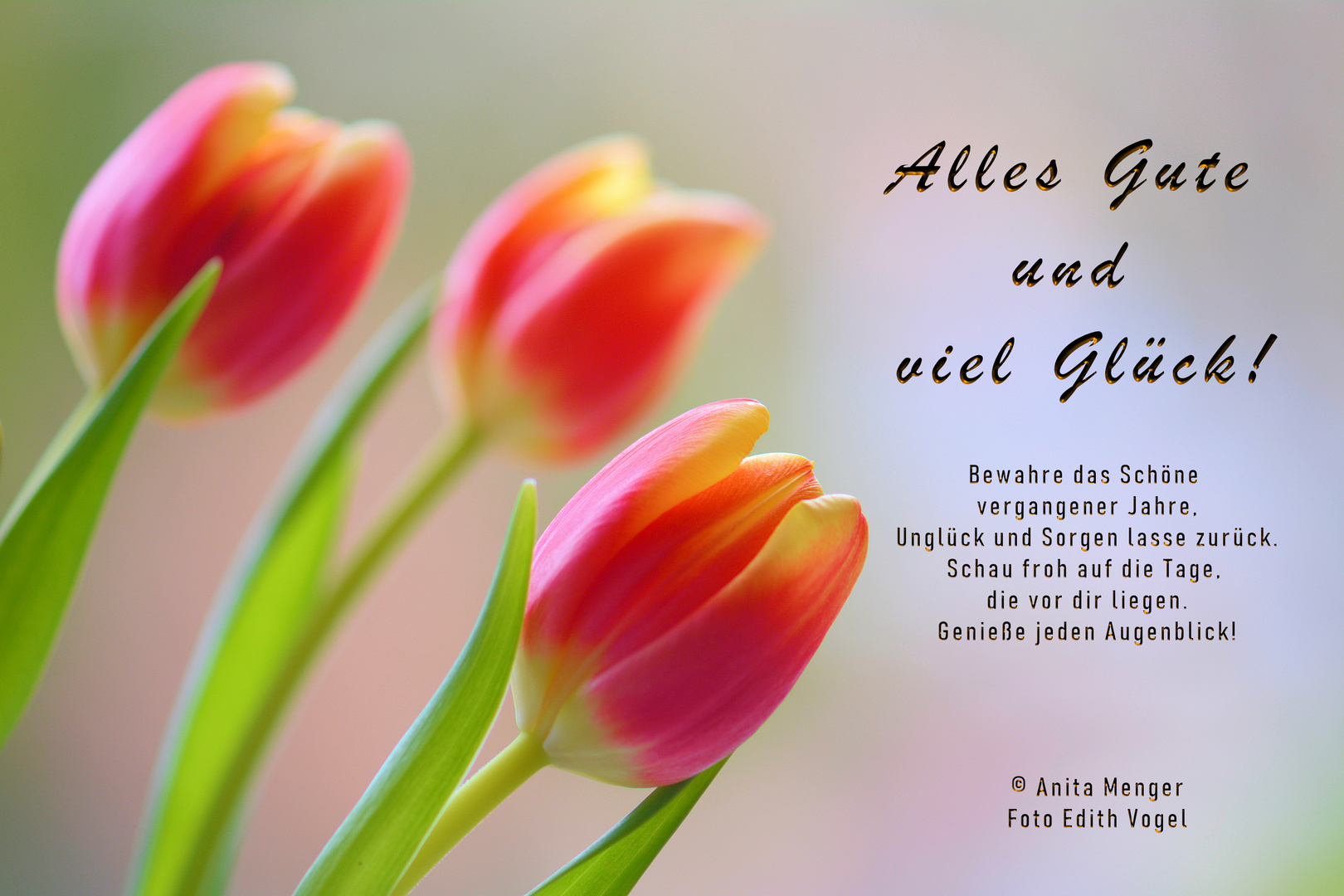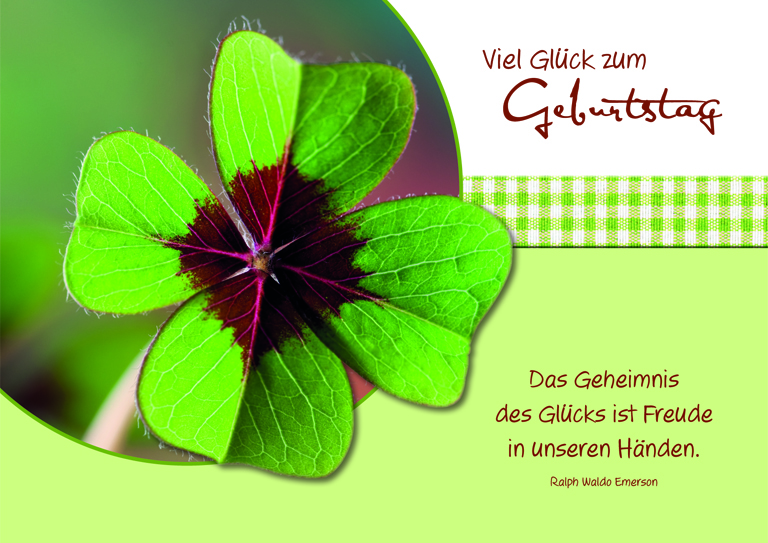
Alles Gute Und Viel Glück
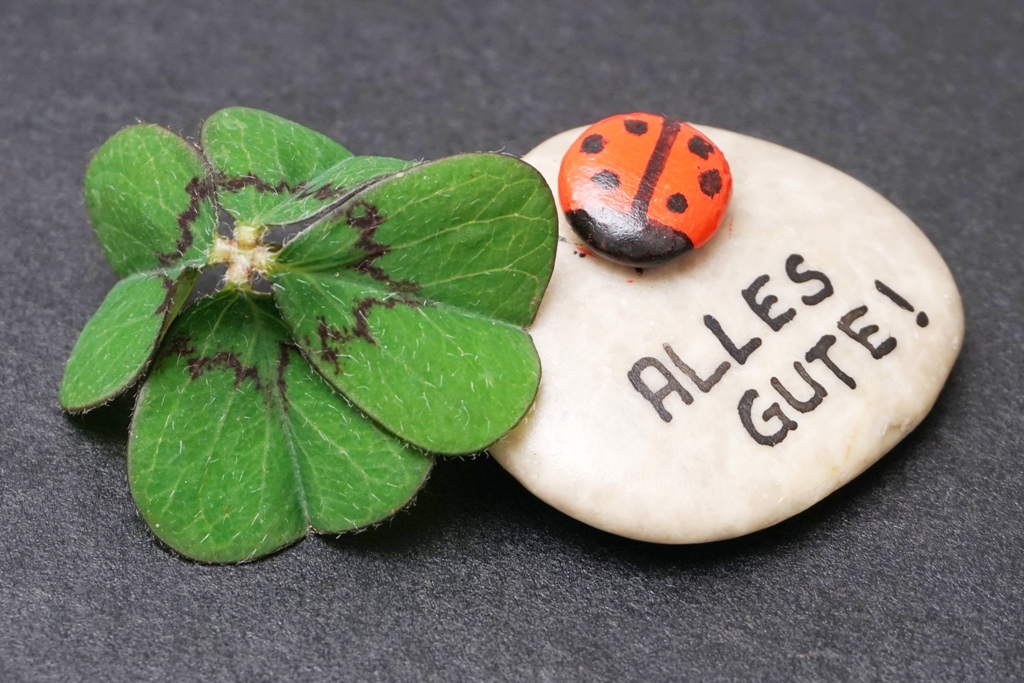
"Alles Gute und Viel Glück": A Guide for Educators
As German teachers, we often introduce common phrases early on. "Alles Gute und viel Glück" is a staple.
Let's explore how to effectively teach this expression. We'll cover common pitfalls and engagement strategies.
Understanding the Nuances
The phrase translates roughly to "All the best and good luck." It's a versatile expression. One uses it to wish someone well.
Alles Gute is a general expression. It conveys good wishes for someone’s well-being. Viel Glück specifically expresses the hope for good fortune.
The combination creates a heartfelt and complete expression. It's suitable for many situations.
Teaching Strategies
Introduce the phrase in context. Use dialogues or short skits. This helps students understand its real-world application.
For example, use scenarios like a student taking a test. Or a friend starting a new job. These situations make the expression relevant.
Break down the phrase. Explain the individual components. Alles Gute means "all the best." Viel Glück means "much luck" or "good luck."
Encourage repetition. Choral repetition helps with pronunciation. Individual practice reinforces the phrase.
Addressing Misconceptions
Students may confuse Glück with happiness in general. Remind them that here it is closer to "fortune" or "luck." It's important to distinguish between the general happiness and wishing someone good luck.
Some might try a literal translation. They might use "all good" for Alles Gute. Highlight the more natural expression, "all the best."
Explain that it's not always appropriate to use "Viel Glück." If the situation requires skill and effort, "Viel Erfolg" (much success) might be more fitting.
Making it Engaging
Use role-playing activities. Have students act out scenarios where they use the phrase. This promotes active learning.
Incorporate games. Create a matching game with situations and appropriate well-wishes. Games add an element of fun.
Employ realia. Bring in greeting cards or small gifts. Discuss the messages and wishes written inside. This creates a tangible connection to the language.
Have students create their own cards. They can practice writing the phrase and adding personal messages. This fosters creativity and practical application.
Cultural Sensitivity
Discuss the cultural significance of well-wishing in German-speaking countries. Sharing positive sentiments is highly valued. It is very common to wish someone Alles Gute und viel Glück. In return, Germans often appreciate the sentiment and effort of wishing them well in their native language.
Explain that gestures can vary. A handshake might be common. In some regions, a brief hug or kiss on the cheek is customary. But that depends on familiarity.
Highlight the importance of sincerity. A genuine expression of good wishes is always appreciated.
Alternative Phrases
Introduce similar expressions. Viel Erfolg (much success) is used when wishing someone well in a task requiring skill. Alles Liebe (all the love) is used with loved ones.
Mention Guten Rutsch (a good slide) used before New Year's Eve. Understanding alternatives broadens students' linguistic toolkit.
Exploring these alternatives enhances students’ understanding of German culture. This makes their language skills more refined. They will have more ways to communicate!
Assessment
Assess students’ understanding through simple activities. They can write short dialogues. They can identify appropriate situations for using the phrase.
Incorporate oral assessments. Have students wish each other well in different scenarios. This evaluates their pronunciation and contextual understanding.
Consider a cultural quiz. Ask questions about the cultural significance of well-wishing. This reinforces their understanding of cultural nuances.
By implementing these strategies, teachers can effectively teach "Alles Gute und viel Glück". Students can grasp its meaning and usage in everyday situations. This creates confident and culturally aware German language learners.