Alles Gute Zum Geburtstag Mein Freund

"Alles Gute Zum Geburtstag Mein Freund": A Teacher's Guide
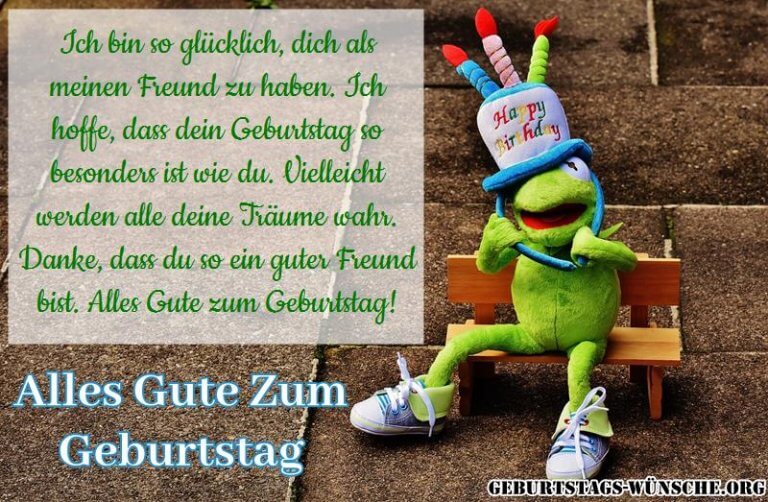
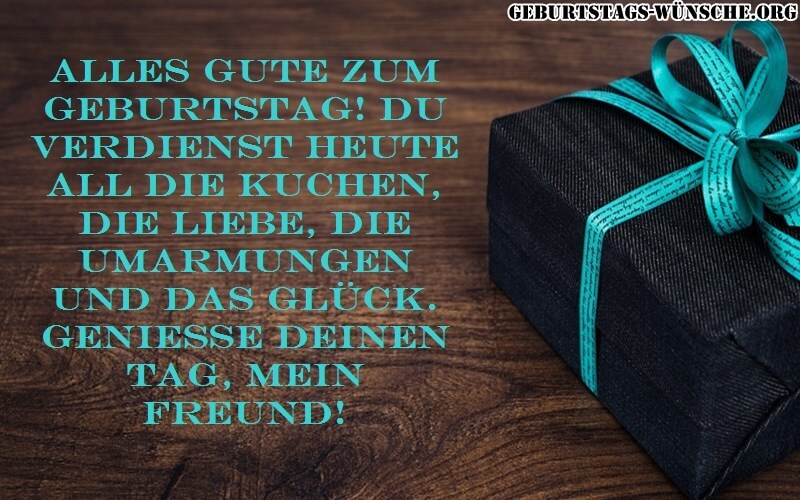
This phrase is German. It means "Happy Birthday, my friend." Understanding its nuances is important.
Let's explore how to teach this simple greeting. We will cover common mistakes and engaging activities. This helps students embrace German culture.
Breaking Down the Phrase
Alles Gute translates to "all the best." This is a common expression in German. It's used for well wishes in many contexts.
Zum Geburtstag specifically refers to "for the birthday." It's a dative case construction. This indicates the reason for the well wishes.
Mein Freund means "my friend." The gender of "Freund" is masculine. If referring to a female friend, it would be "meine Freundin."
Teaching Strategies
Start with pronunciation. Break the phrase into smaller parts. Focus on sounds that might be unfamiliar to English speakers.
Use visual aids. Flashcards with the words and pictures are helpful. Show images of birthday celebrations in Germany.
Role-playing is effective. Have students practice saying the phrase to each other. Encourage them to use proper intonation.
Common Misconceptions
Students might confuse "alles" with other similar-sounding words. Clarify the meaning of "alles" in this context. Explain it's related to "all."
The dative case can be tricky. Explain it simply as "for the birthday." Avoid overwhelming students with grammatical jargon early on.
Students might assume "Freund" is gender-neutral. Emphasize the difference between "Freund" and "Freundin." Provide examples of when to use each.
Engaging Activities
Create birthday cards in German. Have students write "Alles Gute zum Geburtstag" inside. Encourage them to add personal messages.
Sing "Happy Birthday" in German. Find a German version of the song. Practice the pronunciation together as a class.
Share a virtual birthday party. Show videos of German birthday celebrations. Discuss the traditions and customs.
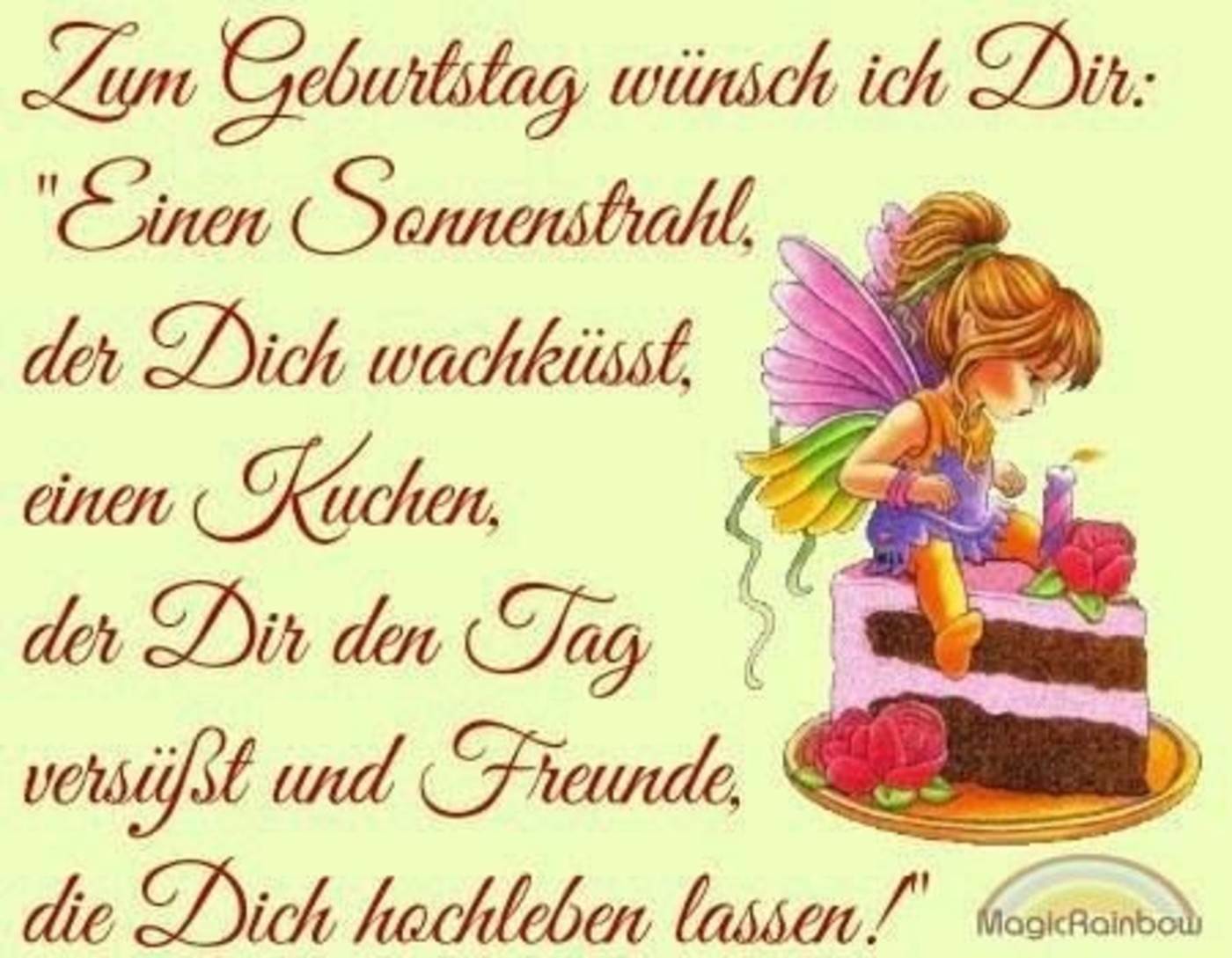
Incorporate cultural elements. Talk about German birthday cake (Geburtstagskuchen). Explain that presents are often given.
Expanding the Lesson
Introduce other birthday-related phrases. Teach students how to say "How old are you?" (Wie alt bist du?). Discuss different age-related customs.
Compare birthday traditions. Discuss how birthdays are celebrated in Germany and other countries. Encourage students to share their own family traditions.
Explore German culture further. Connect the lesson to other aspects of German life. This provides a broader context for the language.
Assessment
Observe students' pronunciation. Listen for correct articulation and intonation. Provide constructive feedback.
Ask students to translate the phrase. Assess their understanding of the meaning. Use a simple quiz or worksheet.
Evaluate their participation in activities. Assess their ability to use the phrase in context. Provide opportunities for practice and reinforcement.
Additional Tips
Use online resources. Find videos and audio recordings of native speakers. This helps students with pronunciation and comprehension.
Create a supportive learning environment. Encourage students to ask questions. Make learning fun and engaging.
Be patient and understanding. Learning a new language takes time and effort. Provide encouragement and support throughout the process.
Remember to tailor your approach. Adjust the lesson to meet the needs of your students. Make it relevant and meaningful to them. By incorporating these strategies, you can effectively teach "Alles Gute zum Geburtstag mein Freund" and help your students appreciate German language and culture.