American Standard Code For Information Interchange

American Standard Code for Information Interchange (ASCII): A Teacher's Guide
ASCII, pronounced "ask-ee," stands for American Standard Code for Information Interchange. It's a fundamental concept in computer science. It allows computers to understand and represent text. It's the backbone of how letters, numbers, and symbols are displayed on screens.
Let's explore ASCII in a way that's accessible for educators. We can prepare engaging lessons for students. We can also address common misconceptions. We'll dive into practical examples and teaching strategies.
What is ASCII?
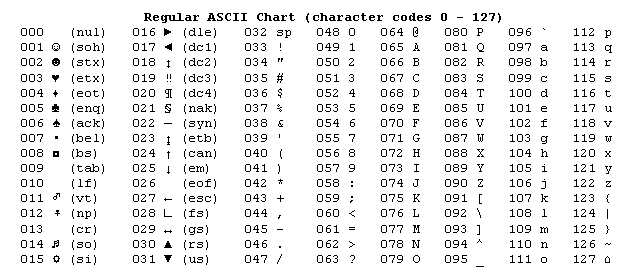
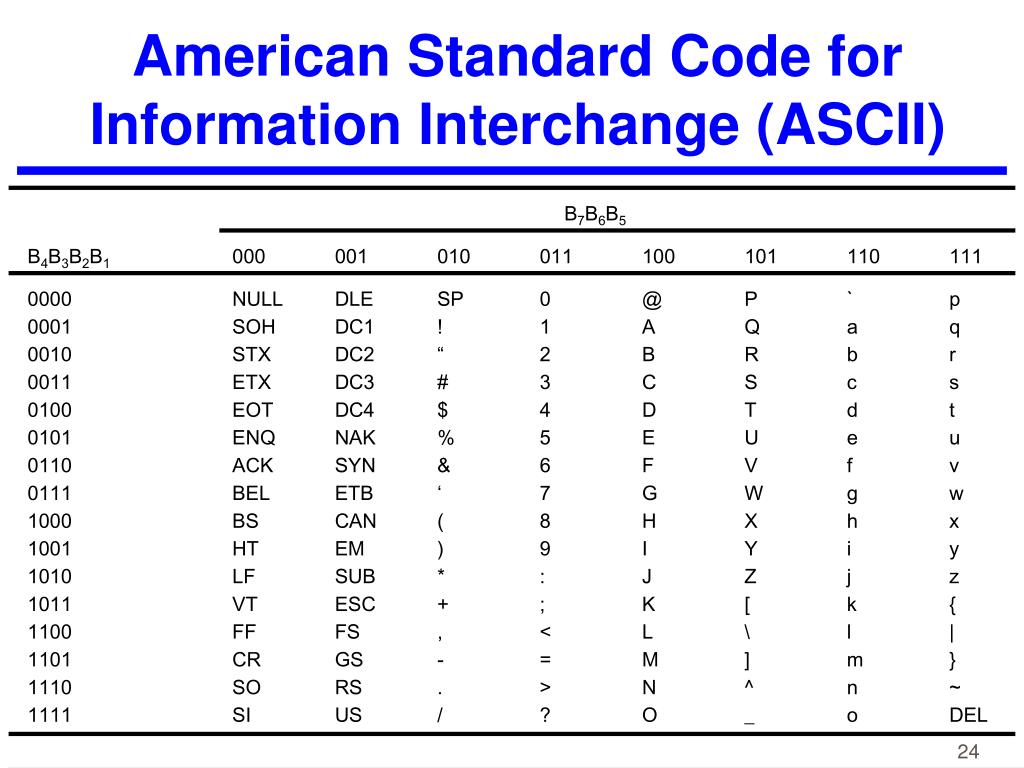
ASCII is a character encoding standard. Each character (letters, numbers, punctuation, symbols) is assigned a unique numerical value. These values range from 0 to 127. The computer reads these numbers and displays the corresponding character.
Imagine a secret code where "A" is 65 and "B" is 66. This allows different computers to consistently interpret and share information. It standardized the way text-based information is communicated.
How to Explain ASCII in the Classroom
Start with the basic idea of encoding. Explain that encoding is like a translator. This translator converts text into a language computers understand, which is numbers. You can start with simple examples using the alphabet. Then you can expand to the full ASCII chart.
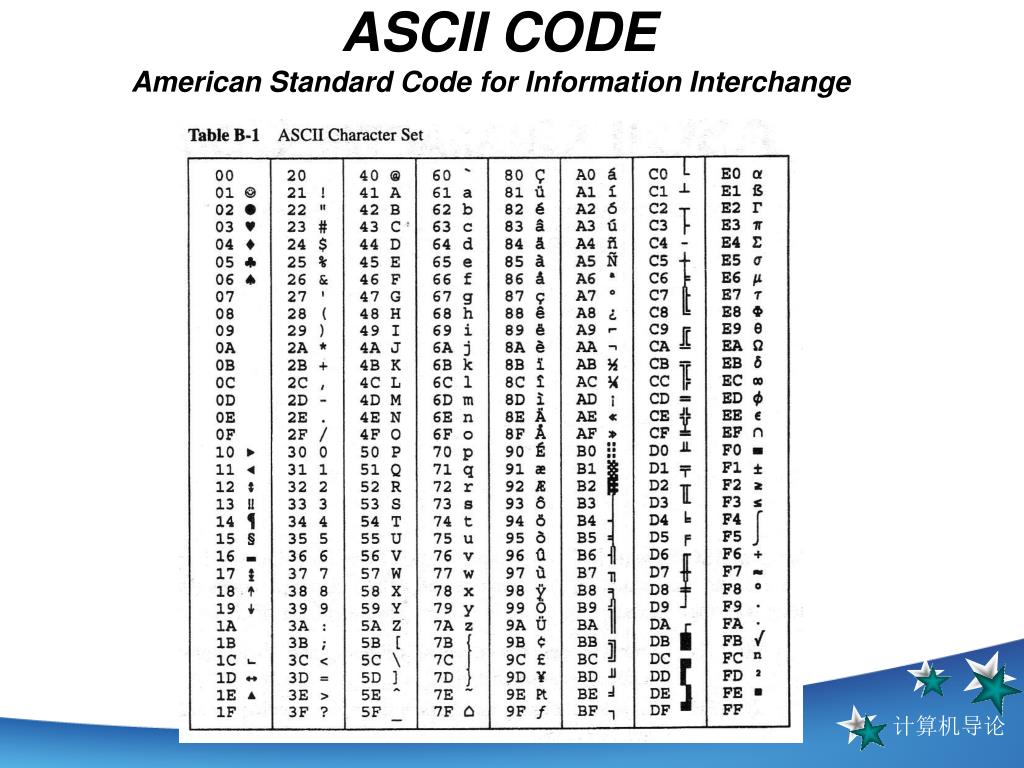
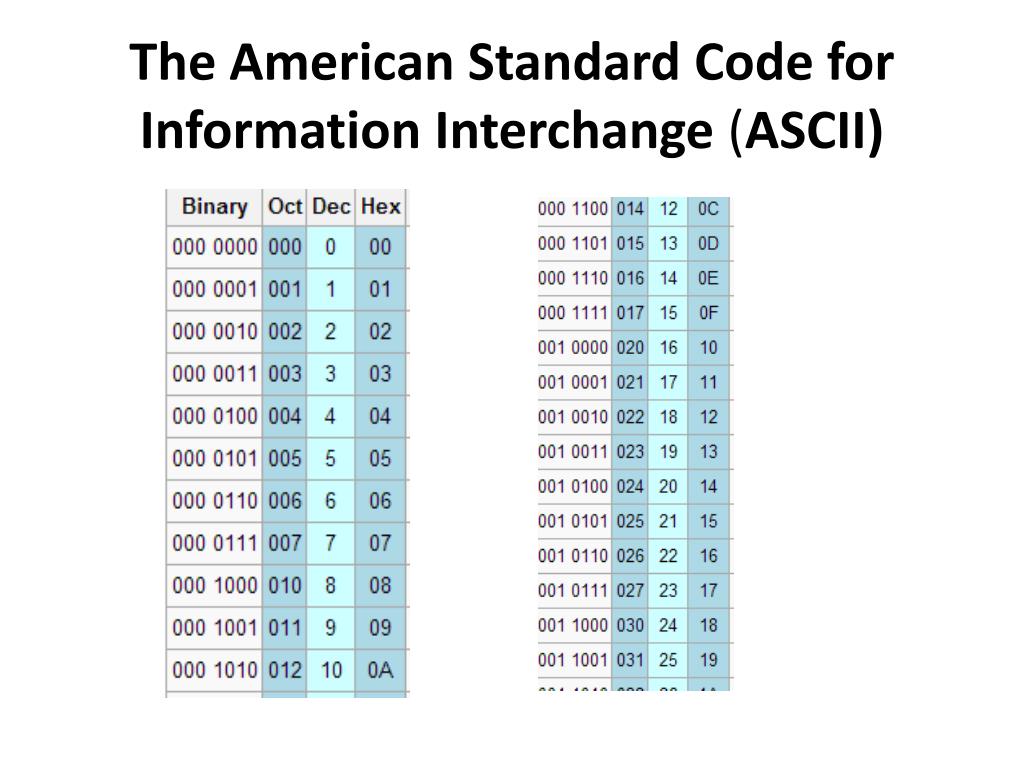
Use visual aids like the ASCII table. Project it onto the board. Let students identify their favorite characters. Talk about the numerical values associated with them. Relate the concept to early forms of communication like Morse code. You can emphasize how Morse code is also an encoding system. You can also explain the importance of a common standard for communication.
Activities can include decoding messages. Give students a list of ASCII codes. Have them convert them into letters to reveal a hidden message. You can also reverse the process. Have them encode simple words into ASCII numbers. This active learning will solidify their understanding.
Common Misconceptions
One common misconception is that ASCII includes emojis. Emojis are beyond the scope of the original 7-bit ASCII standard. They are typically handled by more advanced encoding schemes like Unicode. Unicode includes a much wider range of characters. Emojis are a part of that range.
Another misconception is that ASCII covers all languages. ASCII primarily supports English characters. Other character sets like Unicode are needed to represent characters from other languages, like Chinese or Arabic. Address this limitation. It will help students appreciate the importance of global standards.
Making ASCII Engaging for Students
Create a "secret code" challenge. Have students write messages to each other using ASCII codes. Offer a reward for the first student to decode all the messages. This promotes teamwork and problem-solving skills.
Use online ASCII converters. There are many websites that allow students to easily convert text to ASCII and vice versa. Demonstrate how these tools work. Let students experiment with them. Consider creating a simple encryption tool using a spreadsheet program.
Relate ASCII to modern technology. Discuss how email, websites, and even video games rely on character encoding. Discuss how it also helps with things such as storage and data transmission. Emphasize its continued relevance despite newer technologies.
Tie ASCII to history. Mention the early days of computing. Highlight the importance of standardization in enabling communication between different systems. The concept will have more context and become more interesting to students. Learning this standard allows them to understand the history of computers.
Addressing Advanced Concepts
Explain the difference between 7-bit and 8-bit ASCII. The original ASCII standard used 7 bits to represent 128 characters. Extended ASCII uses 8 bits. This allows for an additional 128 characters, often including symbols or accented letters.
Introduce the concept of Unicode as an extension of ASCII. Explain that Unicode solves the limitations of ASCII. Unicode aims to represent all characters from all languages. Discuss UTF-8, a widely used encoding scheme based on Unicode. Emphasize that Unicode maintains compatibility with ASCII for common English characters.
"Understanding ASCII provides a solid foundation for comprehending how computers process and store text. It is a gateway to exploring more complex encoding schemes."
ASCII is an essential building block for understanding computer science. By implementing these strategies, educators can effectively teach ASCII. They can make it both accessible and engaging for students of all ages.