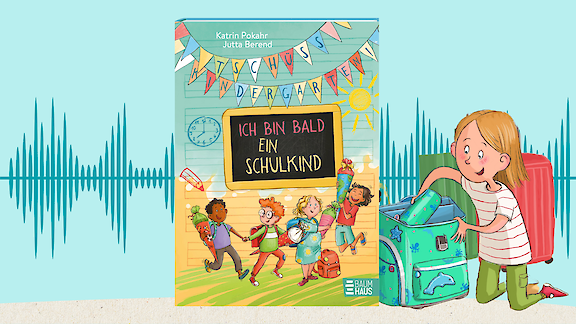
Bald Bin Ich Ein Schulkind
"Bald bin ich ein Schulkind": What Does It Mean?
You might have heard the phrase "Bald bin ich ein Schulkind" in German. It is common, especially around summertime. This phrase announces a big change. It signals the upcoming start of elementary school.
Let's break down the phrase. We'll look at each word individually. This makes the overall meaning clearer. We'll also explore the cultural significance behind it.
Understanding the Words
"Bald" means "soon" or "shortly". Think about when you’re waiting for a birthday. You might say, "Bald ist mein Geburtstag!" (Soon it's my birthday!). It expresses anticipation for something that is approaching.
"Bin" is a form of the verb "sein" (to be). Specifically, it's the first-person singular form. It means "I am." We use it to describe our state of being. For example, "Ich bin müde" (I am tired).
"Ich" simply means "I". This is the pronoun that refers to yourself. It's a fundamental part of personal statements in German.
"Ein" is the indefinite article. It means "a" or "an". It introduces a noun that is not specifically identified. For example, "Ich habe ein Buch" (I have a book).
"Schulkind" is a compound noun. It's made up of "Schule" (school) and "Kind" (child). So, "Schulkind" literally means "school child." This term describes a child who attends elementary school.
Therefore, "Bald bin ich ein Schulkind" translates to "Soon I will be a school child" or "Soon I am going to be a school kid." It describes someone excited about starting school.
The Significance of "Schulkind"
Becoming a "Schulkind" is a significant milestone. It is a major transition for children in German-speaking countries. It is a step into the world of formal education. It’s often associated with a lot of excitement and anticipation.
It represents a change in identity. The child transitions from preschool or kindergarten to elementary school. This also means new responsibilities. New social interactions and new learning environments are ahead.
Think about your own transition into high school or college. It was a big step, right? It came with new challenges and opportunities. "Bald bin ich ein Schulkind" represents a similar feeling for younger kids.
The "Schultüte": A Sweet Tradition
The phrase is often linked to the tradition of the "Schultüte". This is a large, cone-shaped bag. It is filled with sweets, toys, and school supplies. Parents and family members present it to the child on their first day of school.
The "Schultüte" is meant to sweeten the beginning of school. It makes the transition a bit easier. It’s a tangible symbol of the exciting journey ahead. It is meant to ease any anxieties around starting school.
Imagine a child eagerly anticipating their first day. They know they will receive a "Schultüte". This makes the whole experience even more magical. The phrase "Bald bin ich ein Schulkind" perfectly captures this feeling.
Using the Phrase
The phrase isn't usually something older children or adults say about themselves. It's a declaration made by young children. They are proudly announcing their upcoming school debut. Parents and relatives might also use it to refer to the child.
For example, you might hear a parent say, "Nächste Woche ist Paul ein Schulkind!" (Next week, Paul is a school child!). It shows the whole family is celebrating this milestone.
The phrase conveys excitement. It communicates a sense of readiness. It means the child is prepared for this big step. It’s a happy declaration of a new chapter beginning.
Conclusion
"Bald bin ich ein Schulkind" is more than just a phrase. It represents a significant moment. It marks the beginning of a child’s educational journey in German-speaking countries. It is an exciting time.
The phrase embodies anticipation, pride, and the sweet traditions surrounding the start of school. It highlights the transition from preschool to elementary school. The "Schultüte" is another part of the fun.
So, when you hear "Bald bin ich ein Schulkind," remember the excitement. Think of the significance of starting school. Consider the tradition and joy it signifies. It is a milestone worth celebrating!