Ballade Der Knabe Im Moor

"Ballade vom Knabe im Moor" (Ballad of the Boy in the Moor) is a famous German poem by Annette von Droste-Hülshoff. It tells a spooky story about a boy walking through a moor, facing his fears, and ultimately overcoming them (or at least thinking he does!). It's a classic example of a German ballad.
What is a Ballad?
A ballad is a type of poem that tells a story, often with a musical quality. Think of it as a song without music. Ballads usually have:
- A narrative: They tell a story with characters and events.
- Rhyme and rhythm: Ballads use a regular pattern of rhymes and beats. This makes them easy to remember and recite.
- Repetition: Certain words or phrases are repeated. This emphasizes key ideas and creates a musical effect.
- Supernatural elements: Many ballads include ghosts, monsters, or magical events.
Think of songs that tell stories, like old folk songs. Those are often similar to ballads.
The Story of "Der Knabe im Moor"
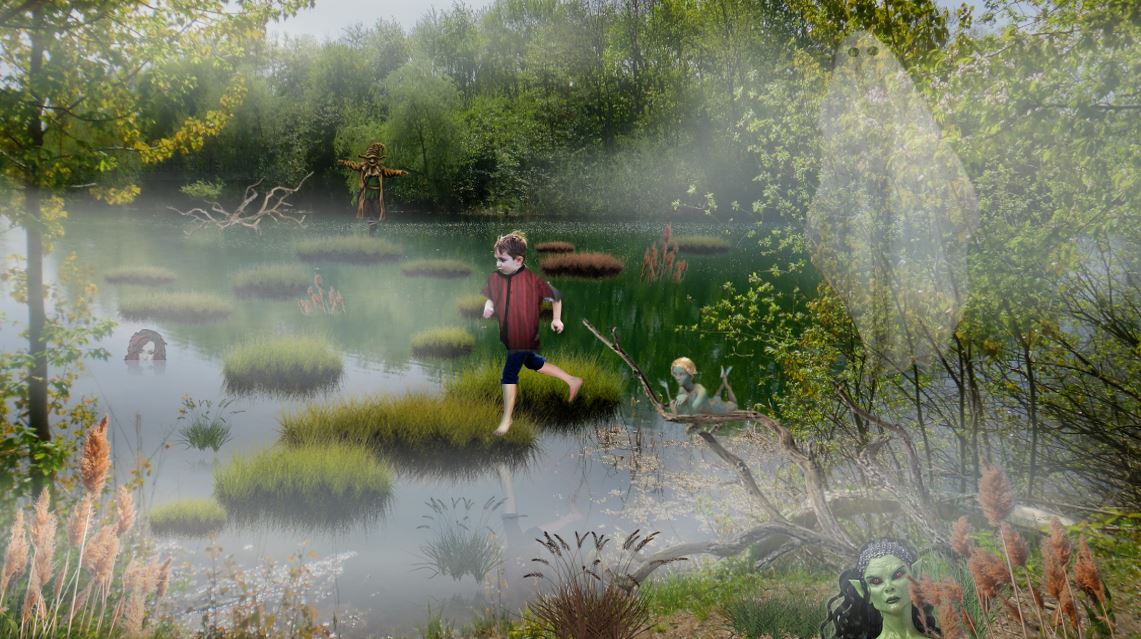
The poem depicts a young boy walking home through a dark and misty moor. He's scared! The moor is described as a spooky and dangerous place, full of strange noises and eerie sights. He imagines all sorts of dangers lurking in the shadows.
Key Elements of the Poem
Let's break down some important parts of the ballad:
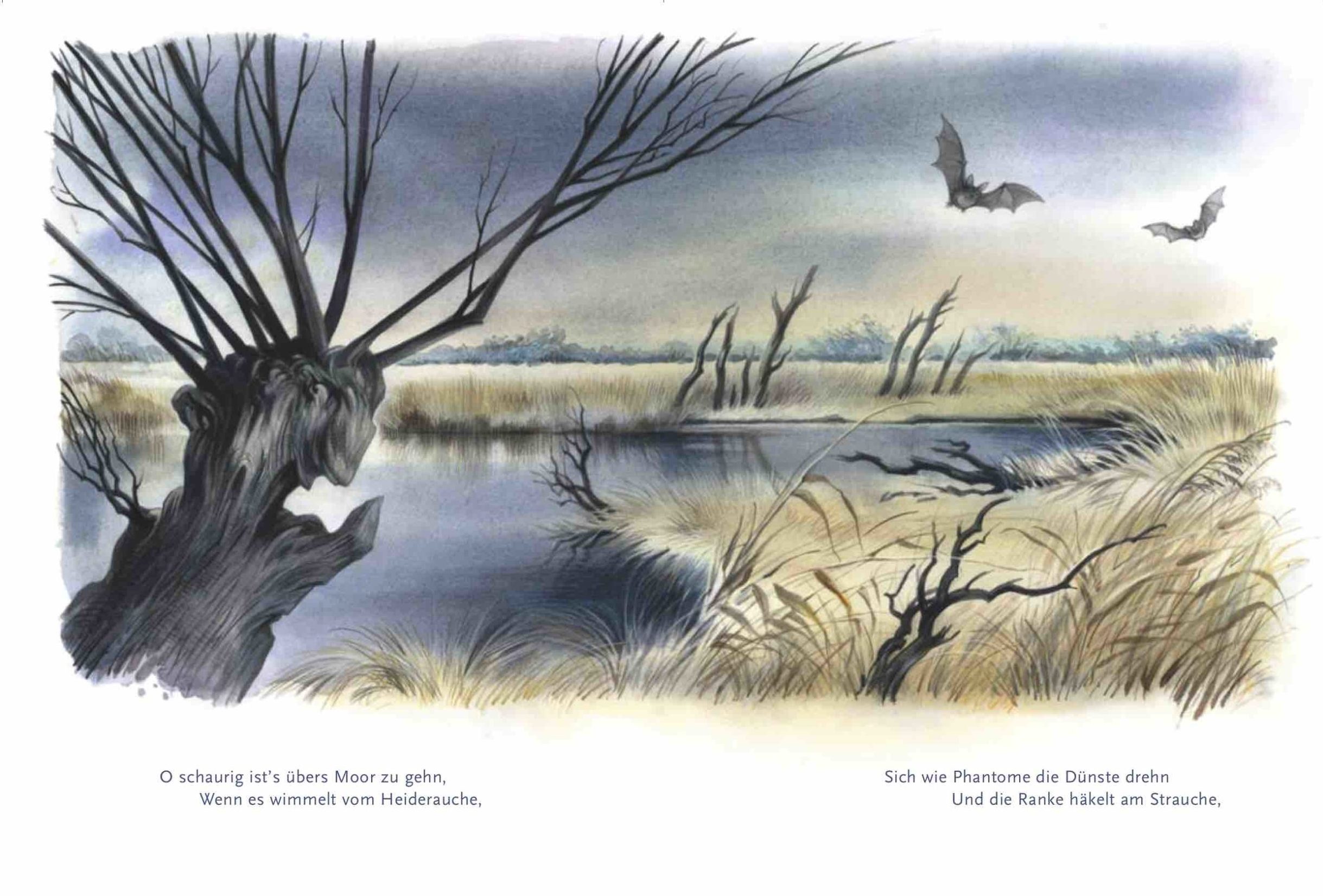
- The Setting: The moor itself is almost a character. It's a dark, wet, and lonely place that creates a feeling of unease and dread. The description uses words like "Nebel" (fog), "Schlamm" (mud), and "Röhricht" (reeds) to paint a picture of a desolate landscape.
- The Boy's Fear: The poem focuses on the boy's inner feelings. He is scared of the dark, scared of getting lost, and scared of the unknown creatures he imagines in the moor. His fear is what drives the story.
- The Supernatural: The poem hints at supernatural elements. The boy hears rustling and sees shadows that he interprets as ghosts or monsters. The line "Es knistert und knakt im Moor" (It crackles and creaks in the moor) adds to the suspense.
- The Ending: The boy makes it home safely. But the final lines suggest that the moor, and the fear it represents, still lingers in his mind. He might not be completely over his experience. He still hears noises.
What Makes it a Ballad?
"Der Knabe im Moor" fits the definition of a ballad because:
- It tells a story: The poem narrates the boy's journey through the moor.
- It has rhyme and rhythm: The poem has a consistent rhyme scheme and meter, making it sound musical.
- It uses repetition: Phrases and sounds are repeated to emphasize the spooky atmosphere.
- It contains supernatural elements: The poem suggests ghosts and monsters, even if they only exist in the boy's imagination.
Why is it Important?
"Der Knabe im Moor" is a significant poem for several reasons:
- It's a classic: It's a well-known and respected example of German ballad poetry.
- It explores universal themes: The poem deals with themes of fear, courage, and the power of imagination. Everyone can relate to being scared of the dark or facing their fears.
- It uses vivid imagery: The poem uses strong descriptions to create a memorable and unsettling atmosphere. The moor becomes a symbol of the unknown and the power of fear.
Example Line
Here's a key line from the poem (with translation):
"O schaurig ists, übers Moor zu gehn, wenn es wimmelt vom Heiderauche."
(Oh, it's dreadful to go across the moor, when it swarms with heather smoke/mist.)
This line illustrates the eerie atmosphere and the boy's apprehension.
In Conclusion
"Der Knabe im Moor" is a compelling and atmospheric ballad that explores the themes of fear and courage. Its vivid imagery and musical language have made it a beloved classic of German literature.