Billigend In Kauf Nehmen Vorsatz
Billigend in Kauf Nehmen Vorsatz is a German legal term. It describes a specific type of intent. It’s important in determining criminal culpability.
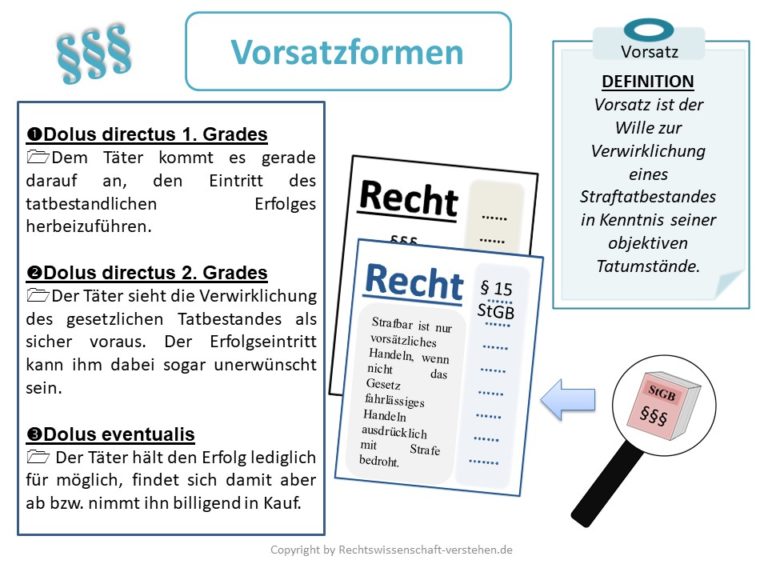
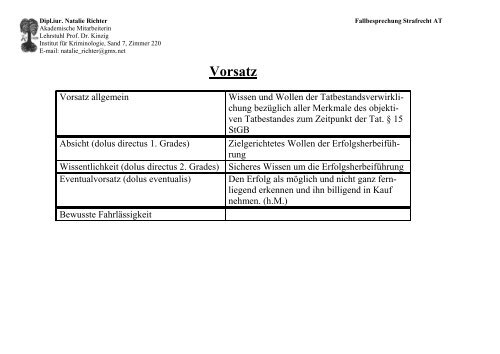
Essentially, it means "taking something undesirable into the bargain." It's a form of conditional intent. The perpetrator doesn't necessarily *want* the negative outcome. However, they realize it's highly probable and accept it.
Let's break it down step-by-step:
1. Knowing the Risk: First, the person must *know* that their actions could lead to a specific negative consequence. They aren't simply negligent. They understand the potential danger.
2. Realizing the Probability: It's not enough to just know of the risk. The person must also *realize* that the negative consequence is very likely to occur. This probability must be significant, more than just a theoretical possibility.
3. Accepting the Consequence: This is the crucial part. The person must *accept* the negative consequence. This doesn't mean they *want* it to happen. Instead, they essentially say, "Even if it happens, I'll go ahead anyway." They consciously reconcile themselves to the possibility. This acceptance is what elevates the act beyond mere negligence. They take it "into the bargain."
Let's look at an example: Imagine someone driving a car very fast through a crowded street. The driver knows that driving this fast in this area is dangerous. They realize that there's a high probability of hitting someone. They might not *want* to hit anyone. But, if they decide to continue driving recklessly at that speed, they accept the possibility of hitting someone. This could be considered billigend in Kauf nehmen Vorsatz regarding the potential injury to pedestrians.
Another example: Someone setting a building on fire to collect insurance money. They know people live in the building. They realize there is a high probability that someone will get injured or die in the fire. They might not *want* anyone to get hurt, but they accept the risk of injury or death to get the money. That acceptance constitutes the necessary intent.
Distinguish this from direkter Vorsatz (direct intent). With direct intent, the person *wants* the negative consequence to happen. They actively aim for it. Billigend in Kauf Nehmen Vorsatz involves accepting a probable consequence, even if it's not the primary goal. The acceptance of the risk is the key difference.
The difference between billigend in Kauf nehmen Vorsatz and Fahrlässigkeit (negligence) is crucial. Negligence means acting carelessly without considering the potential consequences. With billigend in Kauf nehmen Vorsatz, the person *is* aware of the risk and accepts it. This leads to more severe penalties than negligence. The level of intent dictates the severity of the crime.
In summary, billigend in Kauf nehmen Vorsatz requires knowledge of the risk, realization of the probability of the consequence, and, most importantly, acceptance of that consequence. This differentiates it from direct intent and simple negligence.