Character Of Desdemona In Othello

Desdemona in Othello: A Teacher's Guide
Welcome, educators! Let's explore Desdemona, a pivotal character in Shakespeare's Othello. Understand her role. Guide your students effectively.
Understanding Desdemona's Character
Desdemona is often portrayed as innocent and virtuous. She is deeply in love with Othello. She defies societal norms.
Consider her courage. She elopes with a Moor. This shows her independent spirit. It also demonstrates her strong will.
Her unwavering love is central. She persistently defends Cassio. This highlights her loyalty and compassion. It is a core part of her nature.
Addressing Common Misconceptions
Some view Desdemona as passive. Students might see her as weak. Challenge this interpretation.
Her passivity can be misconstrued. She is not simply a victim. Her persistence shows strength. This is particularly evident in her pleas to Othello.
Discuss the societal context. Women had limited agency. Her actions were bold for her time. Encourage critical thinking. Understand the restrictions she faced.
Teaching Strategies for the Classroom
Use textual evidence. Explore key scenes and lines. Analyze her interactions with Othello and Iago.
Encourage role-playing. Students can embody the characters. This fosters deeper understanding. This will give a new perspective on the drama.
Facilitate class discussions. Ask open-ended questions. For example, "Was Desdemona naive?" or "Did she deserve her fate?". Promote critical analysis.
Explore feminist perspectives. Discuss the portrayal of women. Examine the power dynamics in the play. This invites contemporary relevance.
Making it Engaging
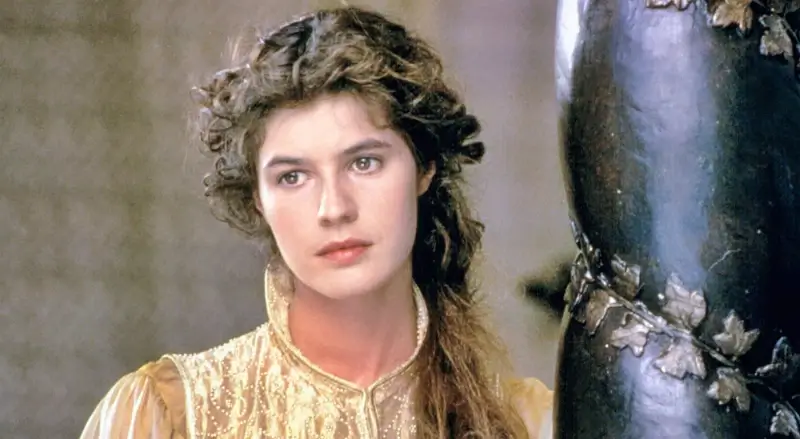
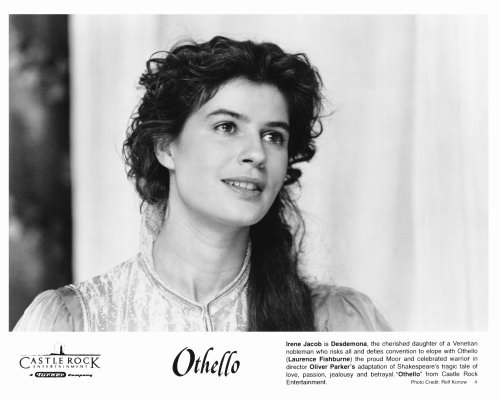
Utilize visual aids. Show film adaptations of Othello. Compare different interpretations. Analyze actors' portrayals.
Incorporate creative writing. Have students write from Desdemona's perspective. Imagine her thoughts and feelings. This encourages empathy.
Employ modern parallels. Discuss similar situations. Explore cases of jealousy and betrayal. This can create relatable scenarios.
Debate Iago's influence. Analyze his manipulative tactics. Consider how he exploits vulnerabilities. Discuss their effects on Desdemona.
Key Quotes and Analysis
"I do perceive here a divided duty." Desdemona acknowledges her conflicting loyalties. This demonstrates her honesty.
"Kill me tomorrow; let me live tonight!" This highlights her desperation. It reveals her fear. It also shows her will to live.
"Nobody; I myself. Farewell." This is her final statement. It's a testament to her innocence. It's often interpreted as a sign of love and forgiveness for Othello.
Desdemona's Significance
Desdemona's fate is tragic. She is a victim of jealousy. She serves as a warning about manipulation.
She represents purity and innocence. Her death symbolizes the destruction of goodness. It is a direct result of unchecked suspicion.
Her character prompts reflection. It highlights the dangers of prejudice. This encourages a deeper examination of human flaws.
Further Exploration
Research critical essays. Explore different interpretations of Desdemona. Understand the play's broader themes. Delve into context.
Encourage student research. Assign presentations on specific topics. This promotes independent learning. This develops analytical skills.
By understanding Desdemona, students grasp Othello's complexity. They learn about love, betrayal, and human nature. They can think critically. They can connect.
Remember, Desdemona is more than a tragic figure. She is a symbol. She is a catalyst for understanding. She is a key to unlocking the play's profound messages. Embrace her story. Enrich your teaching!