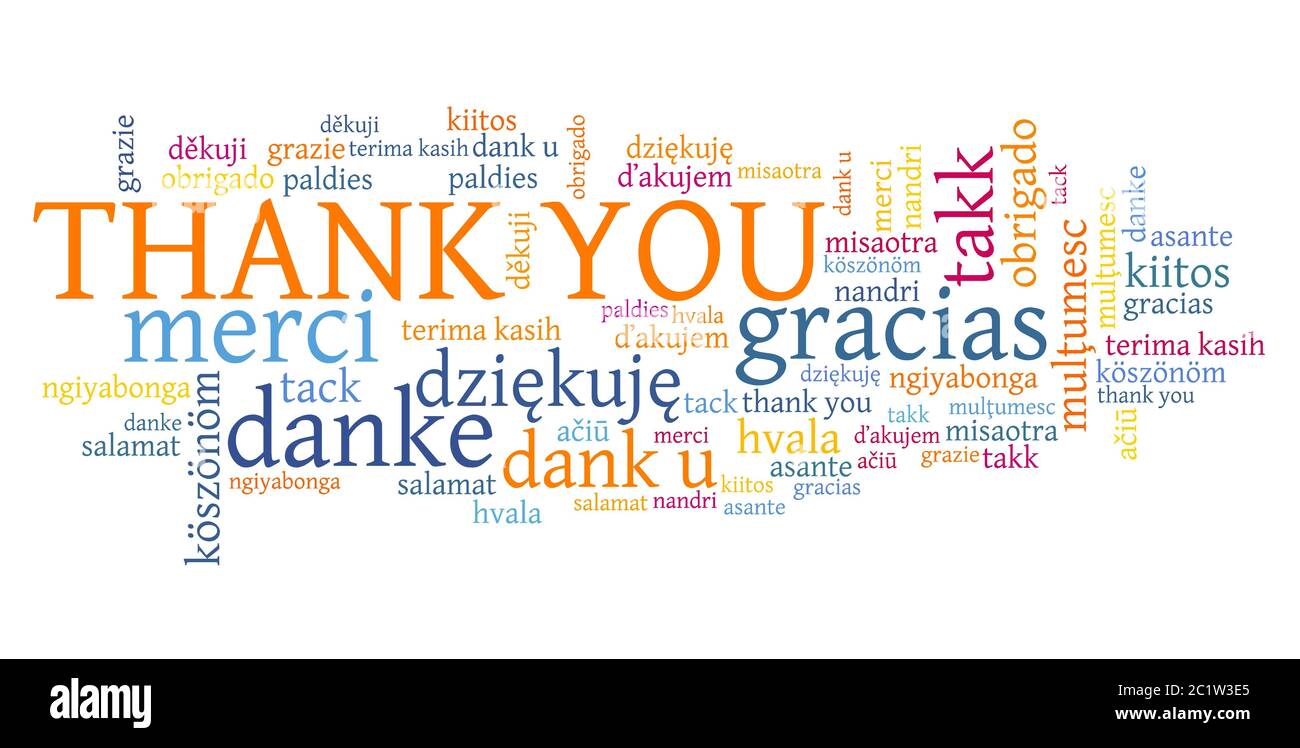
Danke Dir Auch Auf Englisch

"Danke dir auch" translates to "Thank you to you too" or "Thanks to you as well" in English. It's used as a reciprocal expression of gratitude.
The core function of "Danke dir auch" is to return the appreciation. It shows that you acknowledge and appreciate the other person's thank you or gesture. It's not simply a response, but an acknowledgement of shared gratitude. It expresses politeness and reciprocity in a social exchange.
The phrase employs the informal pronoun "dir". This makes it suitable for use with friends, family, or colleagues you know well. Using "dir" with someone you're not close to might be considered inappropriate. Choosing the correct pronoun is essential to maintain respectful communication.
The word "auch" is crucial. It adds the meaning of "also" or "too." Without "auch", the phrase would become a simple thank you, losing its reciprocal meaning. "Auch" highlights that the speaker also feels grateful towards the other person. Its omission significantly changes the statement's intention.
You can use alternative phrases that convey a similar sentiment. "Thank you as well," "Thank you too," and "Likewise, thank you" are all good options. The specific choice depends on context and personal preference. These alternatives effectively translate the meaning of "Danke dir auch".
Consider the scenarios where this phrase is applicable. Imagine someone thanks you for helping them with a project. If you also received help or benefit from their collaboration, you might respond with "Danke dir auch!". This acknowledges their gratitude and expresses your own.
Another example would be after exchanging gifts. If a friend gives you a present and you give them one in return, after they thank you, you could reply with, "Danke dir auch!". This demonstrates mutual appreciation and strengthens the bond. Such exchanges require a fitting response for both parties.
However, be mindful of the situation. If someone thanks you for something and you didn't receive any reciprocal benefit or contribution, using "Danke dir auch" might sound awkward. Ensure there's a reason for you to also be thankful before employing this phrase. Understanding the context is vital for effective communication.
Using the formal "Ihnen" would change the expression to *“Danke Ihnen auch.”* This form is suited for professional environments or addressing individuals you don't know well. This maintains a level of respect and formality in the conversation. Using the right form shows awareness.
In real-world applications, "Danke dir auch" is a valuable tool for maintaining positive relationships. Whether at work, at home, or among friends, expressing reciprocal gratitude is key. It fosters a sense of mutual appreciation and strengthens interpersonal connections. This helps create a positive environment.
Mastering simple phrases like "Danke dir auch" helps improve your overall fluency and cultural understanding. It also enhances your ability to navigate social situations appropriately. Incorporating such expressions enhances your understanding of the language's nuances. It demonstrates respect for German language customs.