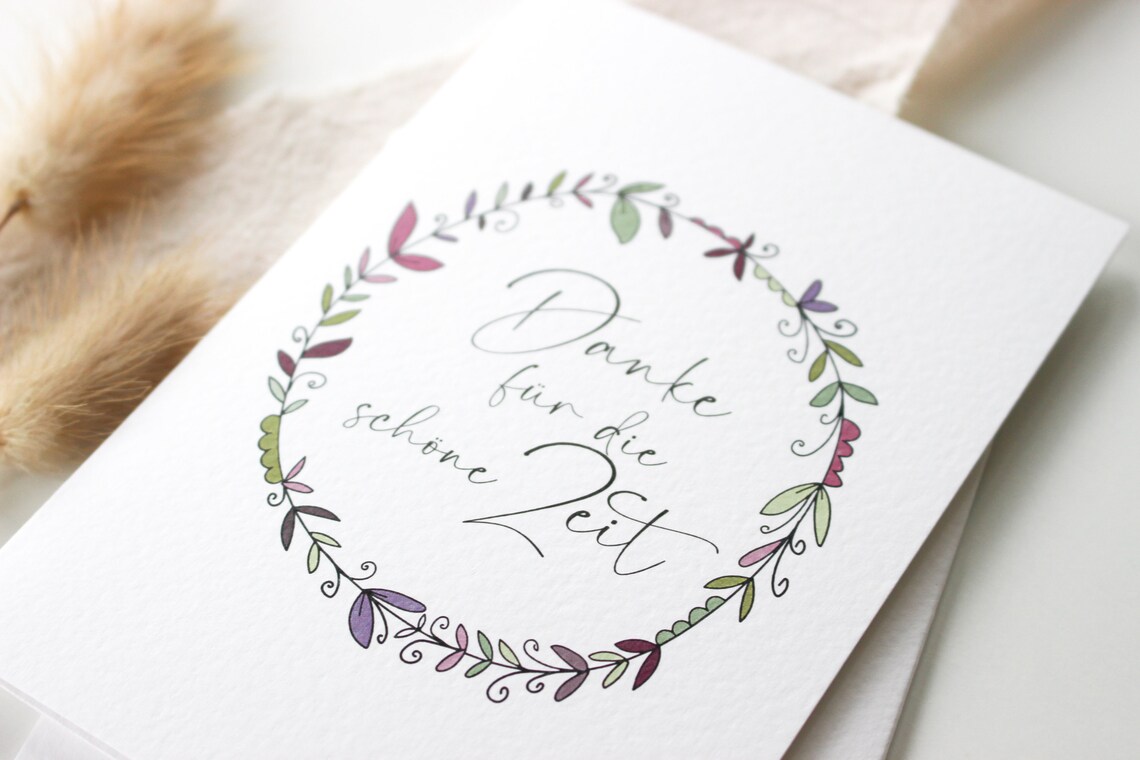
Danke Für Die Schöne Zeit Text
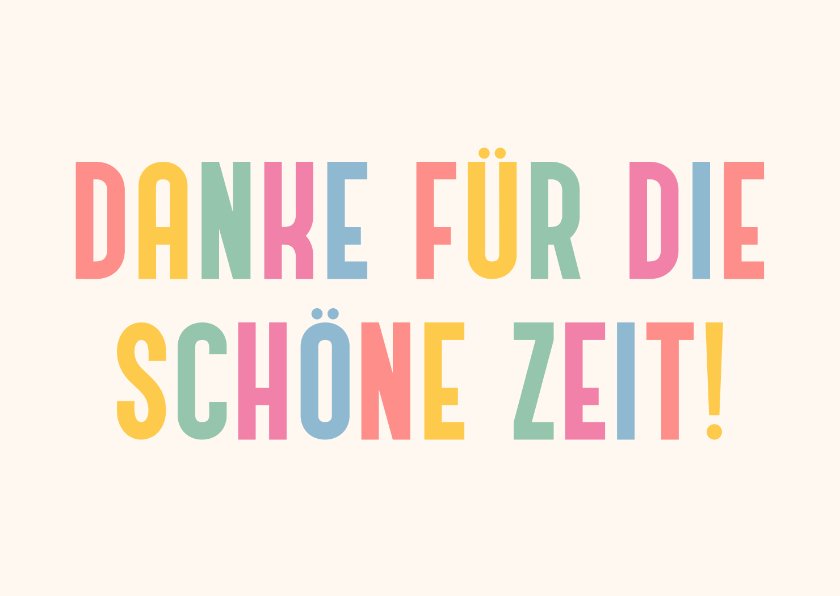
"Danke für die schöne Zeit" translates directly to "Thank you for the wonderful time". It's a common German expression used to express gratitude for positive experiences shared with someone or a group of people. This phrase goes beyond a simple "thank you"; it carries a deeper meaning of appreciation for the memories created and the overall enjoyment of the time spent together.
Its applications are broad. You can use it after:
- A vacation with friends or family.
- A visit from someone.
- A special event like a party or wedding.
- A project completed successfully with colleagues.
- Even after a relationship has ended amicably.
Essentially, any situation where you want to acknowledge and express gratitude for a positive and memorable experience is appropriate.
A Phased Walkthrough: Crafting Your Message
Knowing "Danke für die schöne Zeit" is just the beginning. How you use it depends on the context and your relationship with the person or people you're addressing. Here’s a step-by-step guide:
Phase 1: The Basic Expression
Start with the core phrase: "Danke für die schöne Zeit." This is your foundation. It's universally understood and conveys the core meaning.
Example: After a weekend trip with friends, you could simply say: "Danke für die schöne Zeit! Es war toll mit euch." (Thank you for the wonderful time! It was great being with you.)
Phase 2: Adding Specific Details
Enhance your message by adding specific details about what you enjoyed. This shows you were present and appreciated specific aspects of the experience. This makes your thank you more personal and genuine.
- Mention a specific activity: "Danke für die schöne Zeit! Das Wandern war wirklich super." (Thank you for the wonderful time! The hiking was really great.)
- Highlight a shared moment: "Danke für die schöne Zeit! Ich werde nie vergessen, wie wir gelacht haben." (Thank you for the wonderful time! I will never forget how much we laughed.)
- Acknowledge someone's contribution: "Danke für die schöne Zeit! Dein Essen war unglaublich lecker." (Thank you for the wonderful time! Your food was incredibly delicious.)
Phase 3: Expressing Future Intentions
Further personalize your message by expressing your hope for future encounters. This strengthens the bond and implies you value the relationship.
- Suggest a repeat: "Danke für die schöne Zeit! Hoffentlich können wir das bald wiederholen." (Thank you for the wonderful time! Hopefully, we can repeat that soon.)
- Express anticipation: "Danke für die schöne Zeit! Ich freue mich schon auf das nächste Mal." (Thank you for the wonderful time! I'm already looking forward to the next time.)
- Broaden the scope: "Danke für die schöne Zeit! Ich hoffe, wir sehen uns bald wieder." (Thank you for the wonderful time! I hope we see each other again soon.)
Phase 4: Tailoring to the Context
Adjust your tone and wording based on the relationship and the situation. A formal email to a colleague will differ from a casual text to a friend.
Formal (Email to a Colleague after a successful project):
"Sehr geehrte/r Frau/Herr [Name],
ich möchte mich nochmals herzlich für die schöne Zeit während unseres Projekts bedanken. Ihre Expertise und Ihr Engagement waren von großem Wert. Ich freue mich auf zukünftige Zusammenarbeit.
Mit freundlichen Grüßen,
[Your Name]"
(Dear Ms./Mr. [Name], I would like to thank you again for the wonderful time during our project. Your expertise and commitment were of great value. I look forward to future collaboration. Sincerely, [Your Name])
Informal (Text to a Friend after a party):
"Hey! Danke für die schöne Zeit gestern! Die Party war mega! 😊" (Hey! Thank you for the wonderful time yesterday! The party was awesome! 😊)
Beyond the Words
Remember that nonverbal cues are important. A genuine smile, a warm handshake, or a heartfelt hug can amplify the meaning of your words. Combine your verbal expression of gratitude with appropriate body language to create a more impactful message. Sometimes, a simple, sincere "Danke für die schöne Zeit" delivered with a smile is all that's needed to convey your appreciation.
By mastering these phases, you can effectively use "Danke für die schöne Zeit" to express genuine gratitude and strengthen relationships in various contexts.