Danke Im Voraus - Englisch

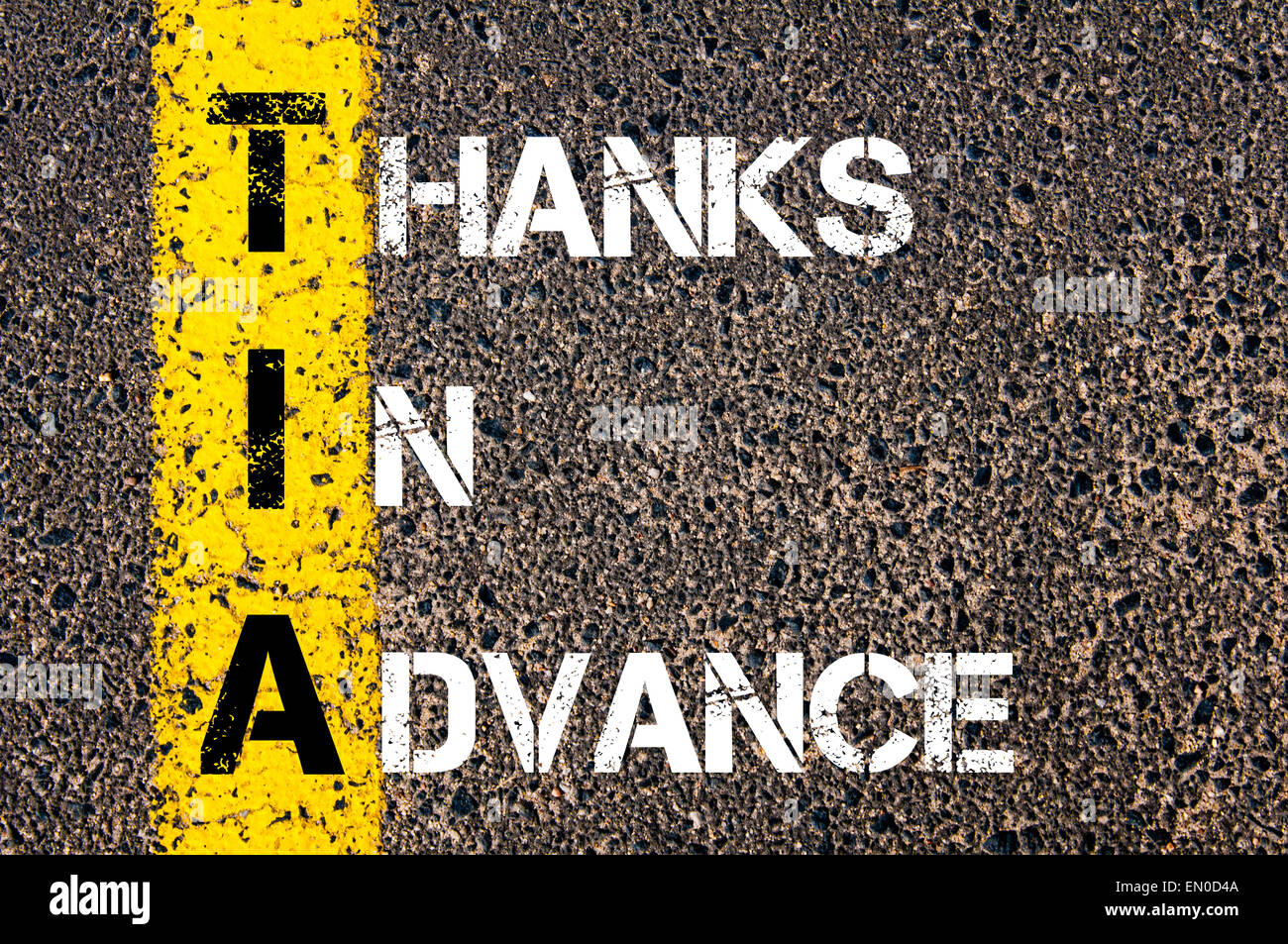
Danke im Voraus is a German phrase. It means "Thanks in advance" in English.
What does "Danke im Voraus" really mean?
Let's break it down. Danke means "thanks." It's simple and direct.
Im Voraus means "in advance." It talks about something happening before something else. For example, you might prepare dinner im Voraus, meaning you cook it before you're actually hungry.
So, putting it together, Danke im Voraus expresses gratitude beforehand.
When do you use "Danke im Voraus"?
You use it when you're asking someone to do something for you. You're thanking them *before* they've actually done it. It's like saying, "I expect you'll do this, and I appreciate it already."
Here are some examples:
- Email Request: "Could you please send me the document? Danke im Voraus."
- Asking a Colleague: "Can you check my presentation slides? Danke im Voraus."
- Requesting Information: "I'd be grateful if you could provide some information about the event. Danke im Voraus."
Is "Danke im Voraus" always appropriate?
No. It can sometimes sound demanding or even rude. It implies you expect the person to do what you're asking, whether they have the time or willingness. Think of it as subtly pressuring them.
Consider these scenarios:
- Asking a big favor: If you're asking for something significant, like helping you move all your furniture, Danke im Voraus might sound presumptuous. A more polite option would be to directly ask the favor first, and express your appreciation if they say yes.
- When the outcome is uncertain: If you're not sure if the person *can* help you, avoid Danke im Voraus. It's better to ask politely and then thank them *after* they've tried or succeeded.
- To a superior: Using it to your boss can be risky, as it might sound like you're instructing them. Always err on the side of caution and use more formal phrasing like "I would be grateful if..."
Better Alternatives
There are many ways to express gratitude politely without potentially sounding demanding.
- "Vielen Dank" (Thank you very much): This is a standard and always appropriate expression of thanks.
- "Ich wäre Ihnen dankbar, wenn..." (I would be grateful if...): This is a more formal and polite way to ask for something.
- "Ich würde mich freuen, wenn..." (I would be happy if...): This expresses your positive expectation without demanding action.
- "Danke für Ihre Hilfe" (Thanks for your help): This is suitable when you *know* they will help you, or you are following up a previous offer to help.
In Summary
Danke im Voraus can be a useful phrase. However, be careful! It can easily come across as presumptuous or even rude. Always consider your relationship with the person you're talking to and the nature of your request. When in doubt, opt for a more neutral and polite expression of gratitude. Understanding the nuances of German language and culture is key to effective communication. Choose your words wisely to avoid misunderstandings and maintain positive relationships. Remember to always consider the context of the conversation.
Always think before you say "Danke im Voraus"! Is it truly appropriate, or would a simple "Vielen Dank" be better?