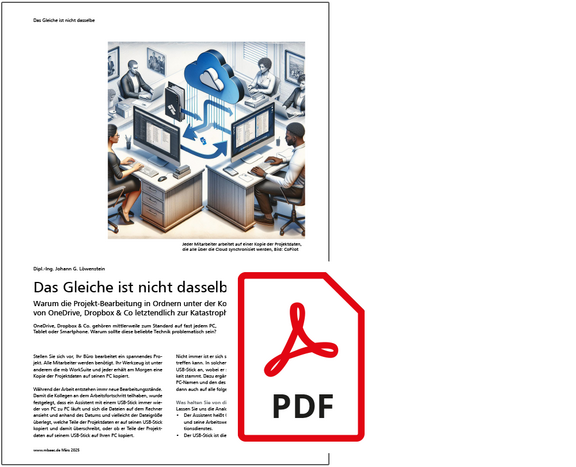
Das Gleiche Ist Nicht Dasselbe
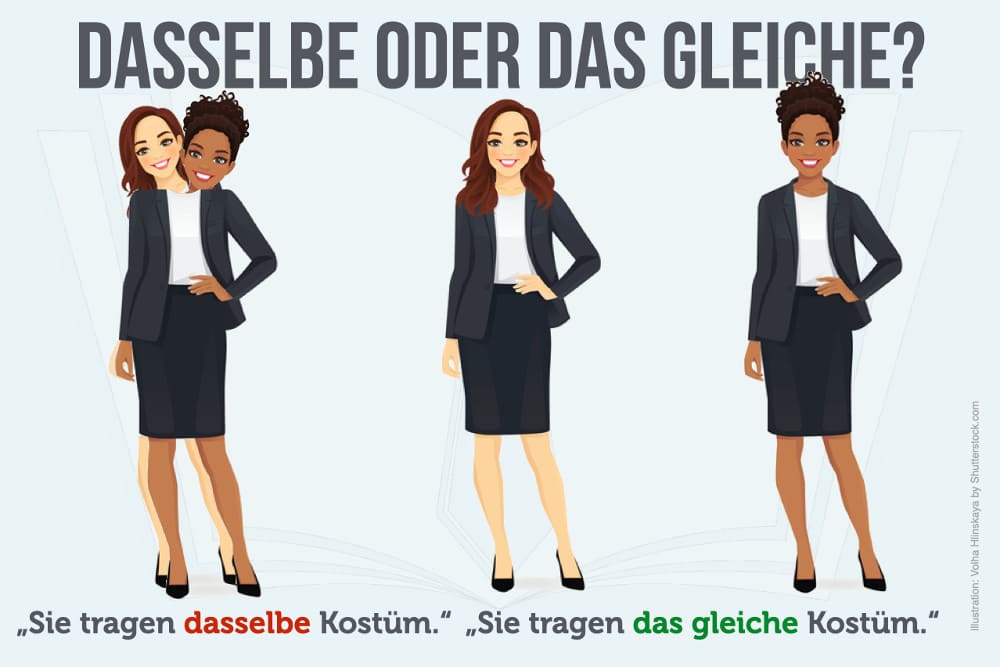
Das Gleiche ist nicht dasselbe. This German phrase translates to "The same is not the same." It highlights the crucial difference between identity and similarity. While seemingly simple, understanding this concept deepens our perception of nuances in language and reality.
Identity vs. Similarity: The Core Difference
Identity means being exactly alike – indistinguishable in every aspect. Think of it like a digital copy: an exact replica. Similarity, on the other hand, implies shared characteristics or resemblances, but with underlying differences. Two things can be similar without being identical.
Imagine two identical twins. While they might look the same, possessing nearly identical DNA, they are not the same. They are distinct individuals with separate thoughts, experiences, and ultimately, different fingerprints. Even at a cellular level, subtle variations will exist. This illustrates that even things incredibly close to being identical still possess unique identities.
Examples in Everyday Life
Consider two cups of coffee. Both might be brewed from the same beans and using the same machine (similar). However, the temperature might vary slightly, or perhaps one cup sat for a minute longer, affecting its taste (not the same). The experience of drinking each cup will be unique.
Another example: Two prints of the same photograph. Even if created using the same printer and ink, minute variations in the printing process, the paper itself, or environmental factors like humidity, will create subtle differences. A trained eye might discern these variations. They are similar, but not the same.
In mathematics, we often deal with seemingly identical equations. However, applying them in different contexts or with different initial conditions can lead to vastly different outcomes. The form of the equation may be the same, but its application and the resulting solution can be unique.
Why Does It Matter?
Recognizing the difference between "gleich" (the same) and "derselbe" (identical) is essential for clear communication. It prevents oversimplification and encourages a more nuanced understanding of the world. Consider these points:
- Precision in Language: Using the correct words avoids ambiguity. Saying "That's the same thing!" when you mean "That's similar" can mislead others.
- Critical Thinking: It encourages us to look beyond superficial similarities and analyze underlying differences. This is crucial for problem-solving and decision-making.
- Appreciation of Individuality: It reminds us that even within groups or categories, each entity possesses unique characteristics. Whether it's people, objects, or ideas, acknowledging individuality fosters empathy and understanding.
In legal contexts, the distinction is paramount. Two contracts might contain similar clauses, but subtle differences in wording or context can have significant legal ramifications. A lawyer must scrutinize every detail, recognizing that similar is not the same.
Beyond the Literal
The phrase also hints at a deeper philosophical concept. It suggests that nothing is truly ever replicated perfectly. Time moves forward, circumstances change, and even seemingly identical events occur in different contexts. The river you step into today is not the same river you stepped into yesterday.
Understanding "Das Gleiche ist nicht dasselbe" enhances our ability to perceive subtleties, avoid generalizations, and appreciate the unique nature of everything around us. It's a small phrase with a big impact on how we think and communicate.
Ultimately, embracing this concept enables a richer, more accurate, and more appreciative view of the world.