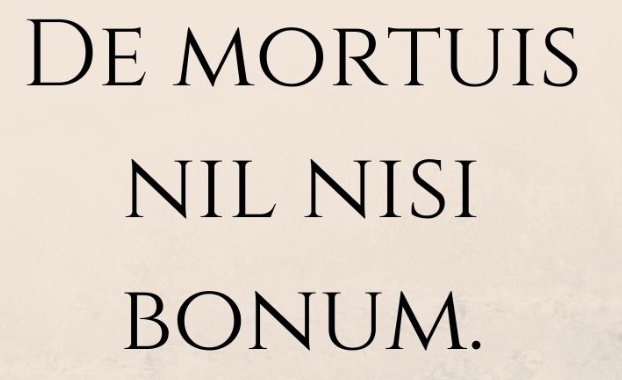
De Mortuis Nihil Nisi Bene
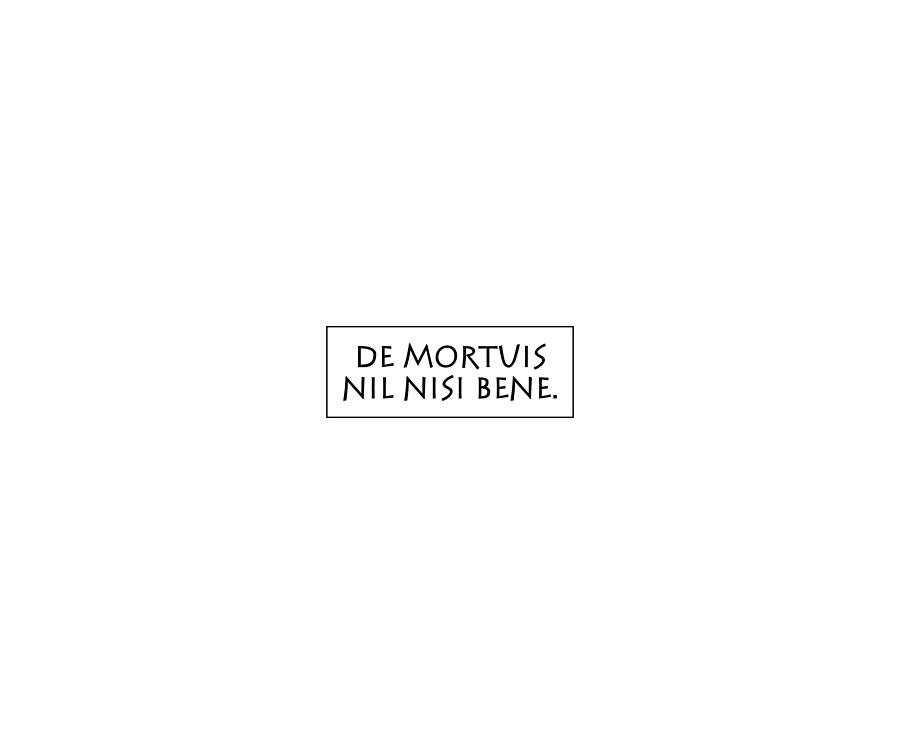
De Mortuis Nihil Nisi Bene. This Latin phrase means: "Of the dead, nothing unless good." It’s a principle about speaking about people who have died.
Understanding the Core Meaning
The core idea is simple: When someone dies, focus on their good qualities. Avoid saying negative things. Think of it as a rule of respect for the deceased.
De Mortuis: This part means "about the dead." It's the subject of the saying. The phrase concerns only people who are no longer alive.
Nihil Nisi: This translates to "nothing unless" or "nothing except." It's the limiting part. It sets the condition for what you *should* say.
Bene: This word means "good" or "well." It's the characteristic you *should* focus on. It's about positive attributes and memories.
Why This Principle Matters
Several reasons support De Mortuis Nihil Nisi Bene. It boils down to basic respect and empathy.
Respect for the Dead: Death is a sensitive time for loved ones. Criticizing the deceased can cause more pain. Showing respect, even in silence, is considered a better approach.
Preventing Harm: The deceased cannot defend themselves. Negative comments cannot be countered or explained. This can unfairly damage their reputation.
Focus on Healing: Mourning is a process. Positive memories aid healing. Negative comments can hinder this process, causing prolonged grief.
Maintaining Decorum: Speaking ill of the dead is often seen as bad form. It reflects poorly on the speaker. It signals a lack of empathy and respect for social norms.
Examples in Everyday Life
You might encounter this principle often, even without knowing the Latin phrase.
Eulogies: At funerals, eulogies celebrate the person's life. They highlight their accomplishments and positive traits. They intentionally omit negative aspects.
Obituaries: Obituaries are notices of death. They typically focus on a person's achievements, family, and contributions. They avoid mentioning failings or controversies.
Conversations: When someone mentions a deceased person, people often say positive things. They might share fond memories or praise their character. Openly criticizing them would be seen as inappropriate.
Social Media: Even online, people are generally more respectful of the deceased. Tributes and memorials are common. Negative comments are often met with strong disapproval.
Exceptions and Nuances
De Mortuis Nihil Nisi Bene is a guideline, not a strict law. There are situations where complete silence might not be appropriate.
Historical Accuracy: In historical contexts, ignoring negative aspects can distort the truth. Historians may need to address flaws or controversies to provide a complete picture.
Public Figures: Public figures are subject to more scrutiny. Their actions have a wider impact. It may be necessary to discuss their shortcomings, even after death, for the sake of accountability.
Personal Closure: In some cases, addressing negative aspects might be necessary for personal healing. This is especially true if the deceased caused harm. Talking about it, in a respectful setting, can be part of the grieving process.
Conclusion
De Mortuis Nihil Nisi Bene remains a powerful principle. It encourages respect, empathy, and sensitivity when discussing the deceased. While exceptions exist, the underlying message is clear: focus on the good, especially when someone can no longer speak for themselves. This promotes healing and maintains social decorum during a difficult time.