Der Gehalt Oder Das Gehalt
Der Gehalt vs. Das Gehalt: A Clarification
Many German learners encounter confusion regarding the words "Gehalt." Specifically, the difference between *der Gehalt* and *das Gehalt* often poses a challenge. This article clarifies their distinct meanings and usage.
Both words share the same spelling. However, their grammatical gender dictates their meaning. Gender in German influences article choice (der, die, das). It also affects declension. We'll explore each word separately to understand the difference.
*Der Gehalt*
*Der Gehalt* is a masculine noun. It translates to "content" or "substance." It usually refers to the composition of something. Think of what something contains or consists of.
Here are some examples using *der Gehalt*:
Der Gehalt dieser Creme ist sehr reichhaltig. (The content of this cream is very rich.)
Der Gehalt an Vitaminen in diesem Saft ist hoch. (The vitamin content in this juice is high.)
Ich kenne den genauen Gehalt des Vertrags nicht. (I don't know the exact content of the contract.)
As you can see, *der Gehalt* describes the components or the essential parts within a thing or document. It's not about money.
*Das Gehalt*
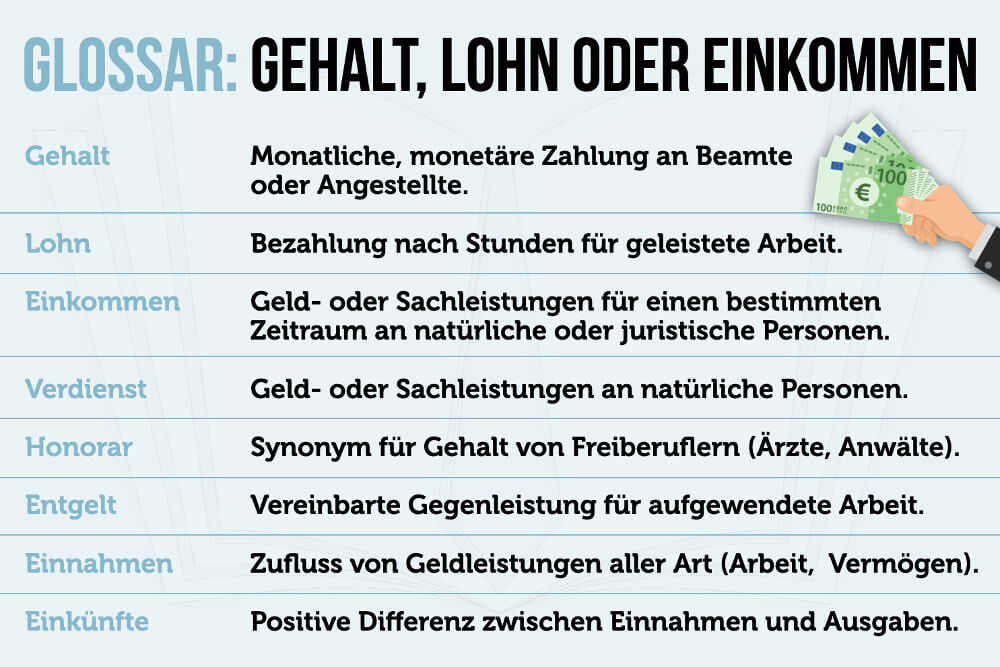
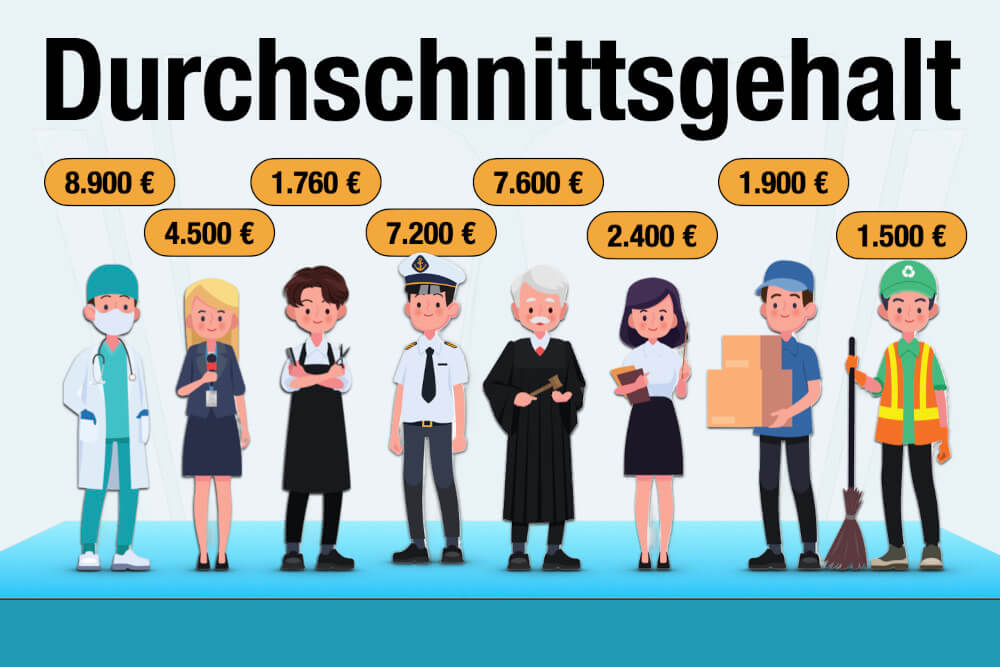
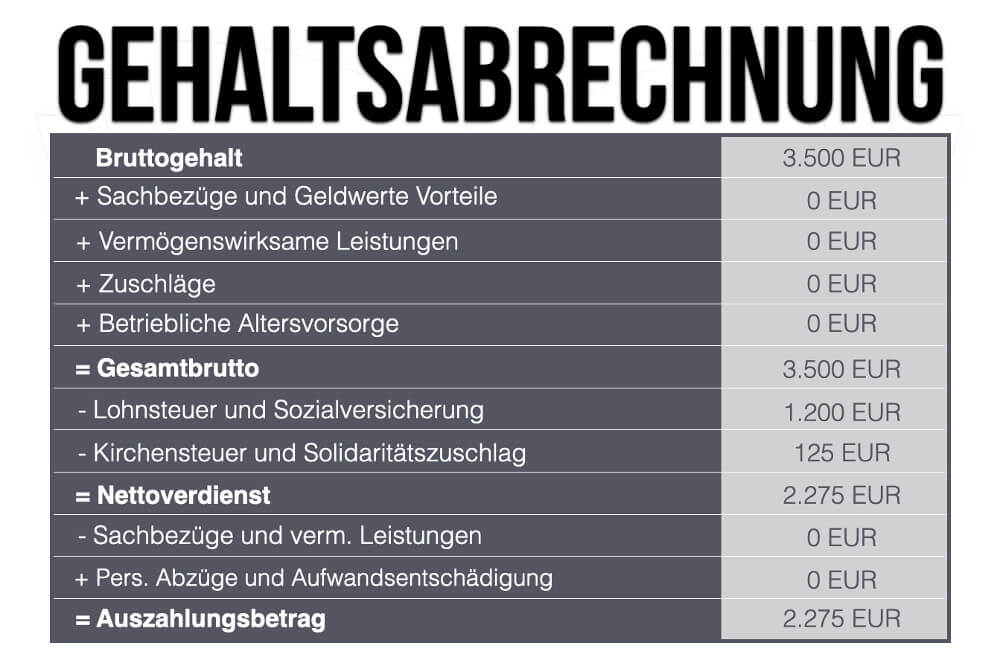
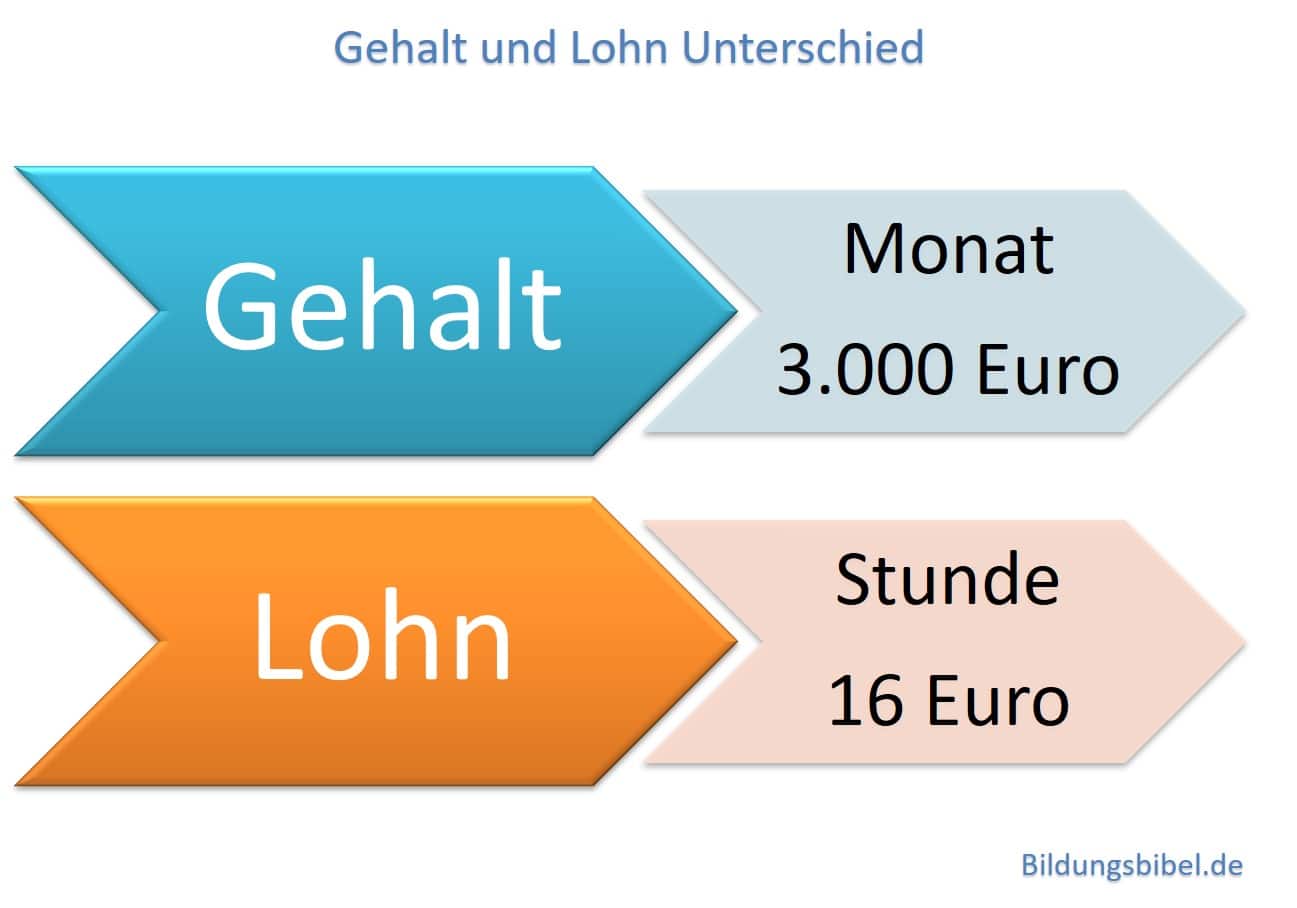
*Das Gehalt* is a neuter noun. It means "salary" or "wage." This is the compensation you receive for your work. It's what employees get paid regularly, often monthly.
Here are some examples using *das Gehalt*:
Mein Gehalt wird am Ende des Monats überwiesen. (My salary is transferred at the end of the month.)
Das Gehalt in dieser Firma ist sehr gut. (The salary in this company is very good.)
Er verhandelt über sein Gehalt. (He is negotiating his salary.)
Importantly, *das Gehalt* refers to a fixed amount paid regularly. This distinguishes it from *der Lohn*, which often refers to hourly wages.
Key Differences Summarized
To reiterate, *der Gehalt* (masculine) means "content" or "substance." On the other hand, *das Gehalt* (neuter) means "salary" or "wage." The article makes all the difference.
Think about context! Consider what is being described. If the discussion is about money earned for work, it's *das Gehalt*. If the topic is about the composition of something, it's *der Gehalt*.
Here is a table summarizing the key differences:
*Der Gehalt* (masculine) Meaning: Content, Substance, Composition Example: Der Gehalt des Buches ist sehr interessant. (The content of the book is very interesting.)
*Das Gehalt* (neuter) Meaning: Salary, Wage Example: Das Gehalt ist pünktlich gekommen. (The salary arrived on time.)
Avoiding Confusion
Practice is key to mastering these words. Read German texts. Pay attention to how they are used. Note the articles *der* and *das*.
When speaking, pause slightly before saying "Gehalt." This allows listeners to process the article more easily. This can help avoid misunderstandings.
Consider using synonyms when appropriate. For "content," you could use "Inhalt." For "salary," you could use "Bezahlung" or "Entlohnung," although these have slightly different nuances. However, they might be useful for clear communication.
Conclusion
Understanding the difference between *der Gehalt* and *das Gehalt* improves your German skills. Paying attention to grammatical gender avoids confusion. This allows for more precise communication. Remember context! This helps determine the intended meaning. With practice, you will master this distinction!