Der Knabe Im Moor Annette Von Droste Hülshoff
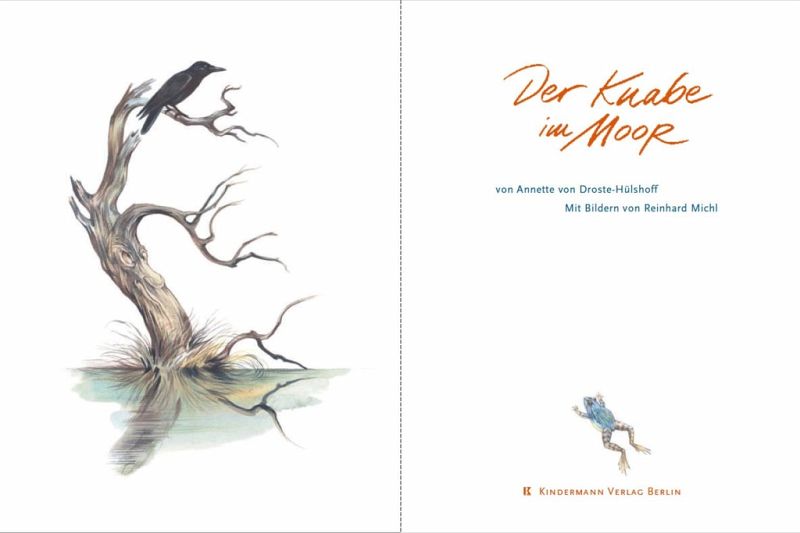
Der Knabe im Moor (The Boy in the Moor) is a famous poem by Annette von Droste-Hülshoff. It's a Ballade, a type of poem that tells a story, often with a dramatic or mysterious element.
What is a Moor?
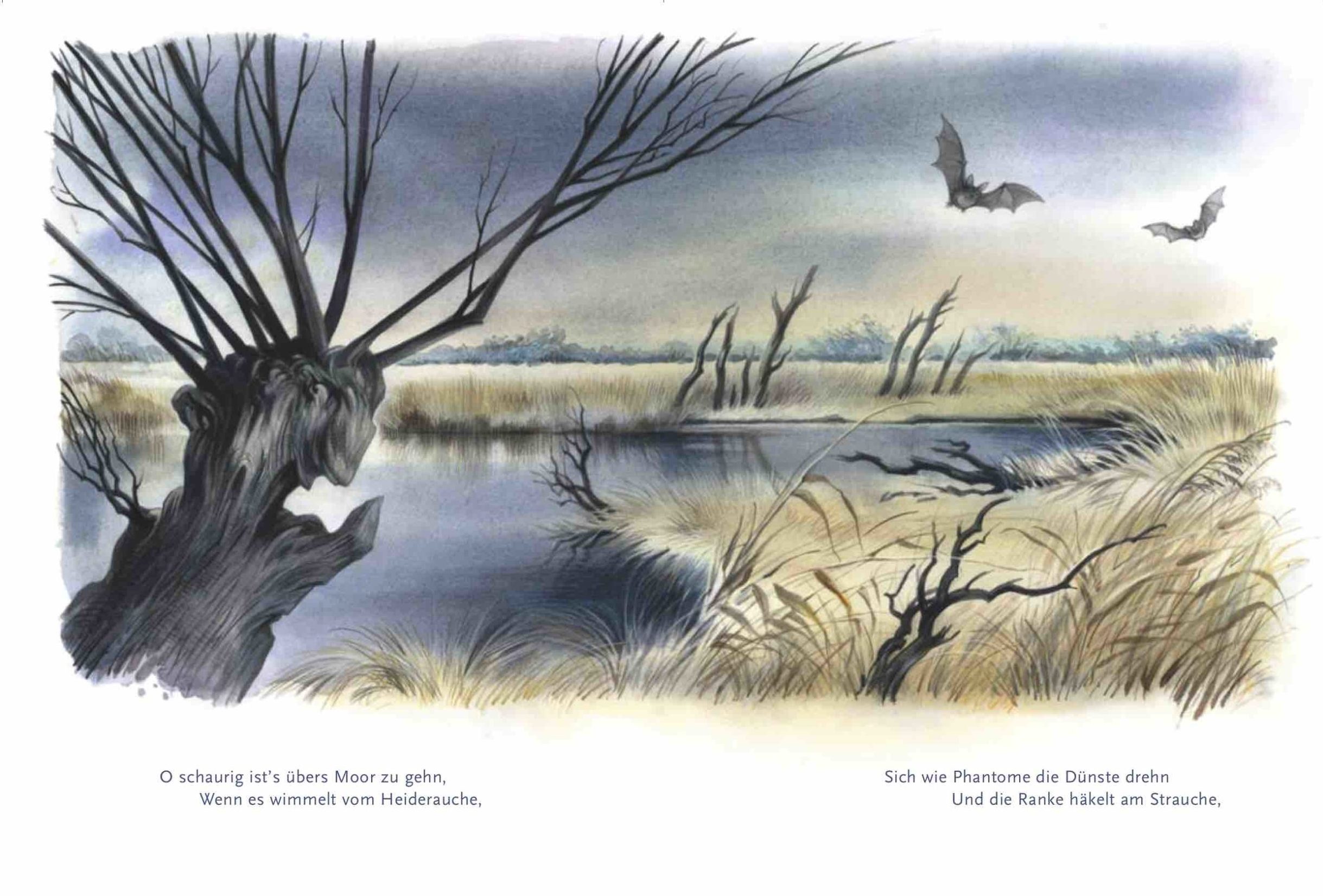
First, let's understand the setting. A Moor is a wetland, like a swamp or bog. Think of it as a muddy, often misty, and potentially dangerous place. Moors often have a unique kind of soil and plant life.
The Story of the Poem
The poem tells the story of a young boy who is afraid of the moor. He is warned not to go there, because something scary lives in it. This 'something' is often interpreted as a supernatural being or the moor itself personified as a dangerous entity.
He thinks he hears and sees things, making him increasingly frightened. The poem uses vivid imagery to create a spooky atmosphere.
Key Elements Explained
Let's break down the key elements of the poem to understand it better:
- Fear and Imagination: The boy's fear is a central theme. He imagines dangers that may or may not be real. This shows how powerful our imaginations can be, especially when we are afraid. Think of a time you were scared in the dark – did you imagine things?
- The Moor as a Symbol: The moor represents the unknown, the wild, and the potentially dangerous aspects of nature. It symbolizes our fears and the things we don't understand. It can also stand for the darker sides of human nature.
- Personification: The poem often gives the moor human-like qualities. It might be described as whispering or reaching out. This makes the moor feel alive and menacing. Imagine the wind "whispering" through the trees – that's a kind of personification.
- Sound and Rhythm: Droste-Hülshoff uses sound devices like Alliteration (repetition of consonant sounds) and a strong rhythm to create a sense of urgency and build tension. Read the poem aloud and listen to the sounds!
- The Ending: The ending is ambiguous, meaning it's open to interpretation. Did the boy actually encounter something dangerous, or was it all in his imagination? This ambiguity adds to the poem's lasting appeal.
Annette von Droste-Hülshoff
Annette von Droste-Hülshoff (1797-1848) was a major German poet. She is known for her nature poetry and her ability to create vivid and atmospheric settings. She lived in a time when women were not always encouraged to be writers, making her achievements even more impressive. Her work often explored themes of nature, religion, and the human condition.
Why is it still important?
Der Knabe im Moor is still read and studied today because it's a powerful example of Romantic poetry. It explores universal themes like fear, imagination, and the power of nature. It also shows how a poem can create a strong atmosphere and tell a compelling story in a relatively short space.
Furthermore, the poem's ambiguity allows for multiple interpretations, making it a subject of ongoing discussion and analysis. Is it a cautionary tale? A psychological study of fear? A reflection on the power of nature? The answers are up to the reader!
Example: Imagery
Consider the image of the "Weißer Nebel wunderbar" (Wonderful white mist). The mist is a visual image that adds to the eeriness of the moor. The adjective "wunderbar" (wonderful) juxtaposes with the scary theme creating a unsettling atmosphere.
In Conclusion
Der Knabe im Moor is a captivating poem that uses vivid imagery, strong rhythm, and ambiguous symbolism to explore the themes of fear and imagination. By understanding the key elements of the poem and the background of the author, you can appreciate its enduring power and relevance.