Du Hast Was Gut Bei Mir
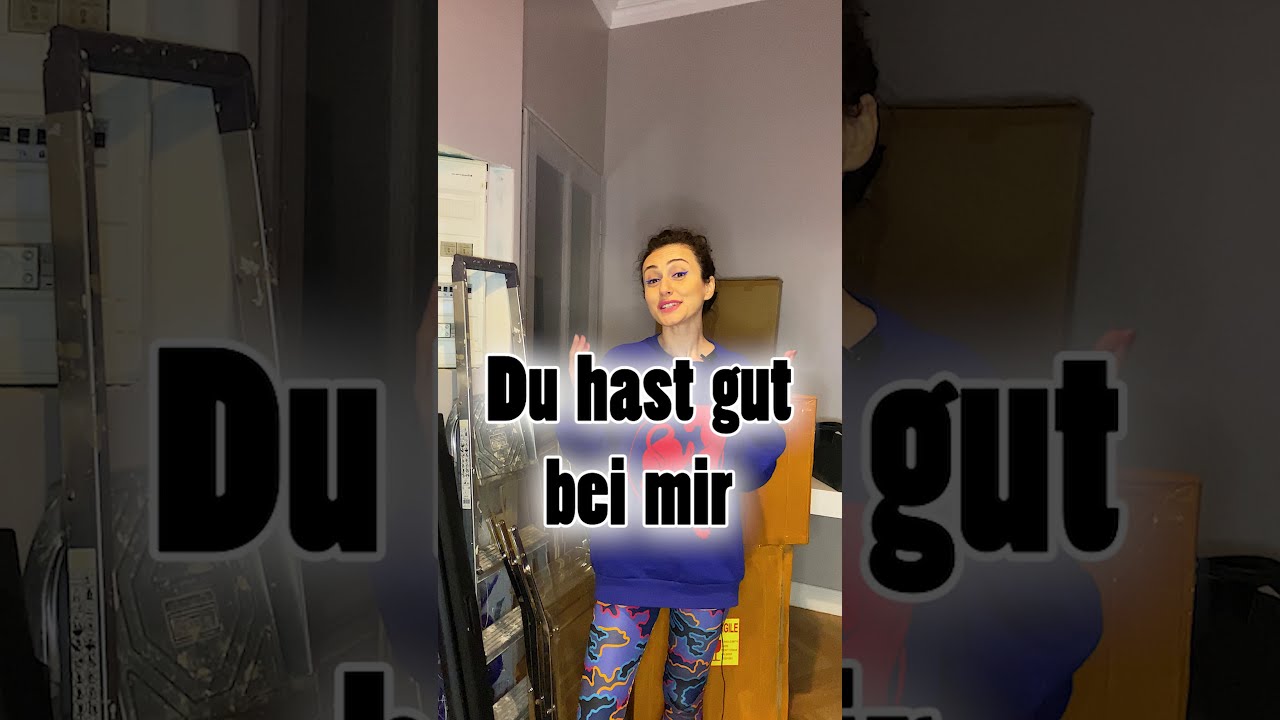
"Du hast was gut bei mir" is a common German phrase. It expresses gratitude. It also implies a small debt is owed.
Let's break it down. "Du hast" means "you have." "Was gut" means "something good." "Bei mir" means "with me." Literally, it translates to "You have something good with me." But the true meaning is different.
The phrase signals appreciation. It says someone did something nice for you. Because of this nice deed, you feel like you owe them a favor. However, the favor isn't a serious obligation. It's more lighthearted.
Think of it like this: Your friend helps you move a heavy couch. You could say, "Du hast was gut bei mir!". This acknowledges their help. It shows you appreciate their effort. It also jokingly suggests you owe them a favor in return.
Here's another example: Someone covers your coffee when you forgot your wallet. A fitting response would be, "Du hast was gut bei mir!" You're saying "Thank you." But you are also saying "I'll get you back next time."
The phrase is informal. You'd use it with friends, family, or close colleagues. It wouldn't be suitable for a formal business setting or someone you don't know well.
Consider the context. The phrase is typically used after someone has provided direct assistance. It's not usually used for compliments or general praise. It's about a specific action or service.
Sometimes, the phrase is followed by a suggestion for repayment. For instance, you could say, "Du hast was gut bei mir! Ich schulde dir ein Bier." This means, "You have something good with me! I owe you a beer." This makes the intention even clearer.
Here are a few more scenarios where you might use the phrase:
Your neighbor waters your plants while you're on vacation. After returning home, you express your gratitude: "Du hast was gut bei mir!"
A colleague helps you meet a tight deadline at work. You acknowledge their help and offer reciprocation: "Du hast was gut bei mir! Sag Bescheid, wenn ich dir mal helfen kann."
Your sibling picks you up from the airport late at night. You show your appreciation, hinting at a future favor: "Du hast was gut bei mir! Ich revanchiere mich."
The meaning of "Du hast was gut bei mir" relies on tone and body language. Deliver it with a smile. This reinforces the playful nature of the phrase. Avoid a serious tone. That can make it sound like a true obligation.
In conclusion, "Du hast was gut bei mir" is a versatile expression. It combines gratitude with a lighthearted promise of future reciprocity. It is a handy phrase to show your appreciation.