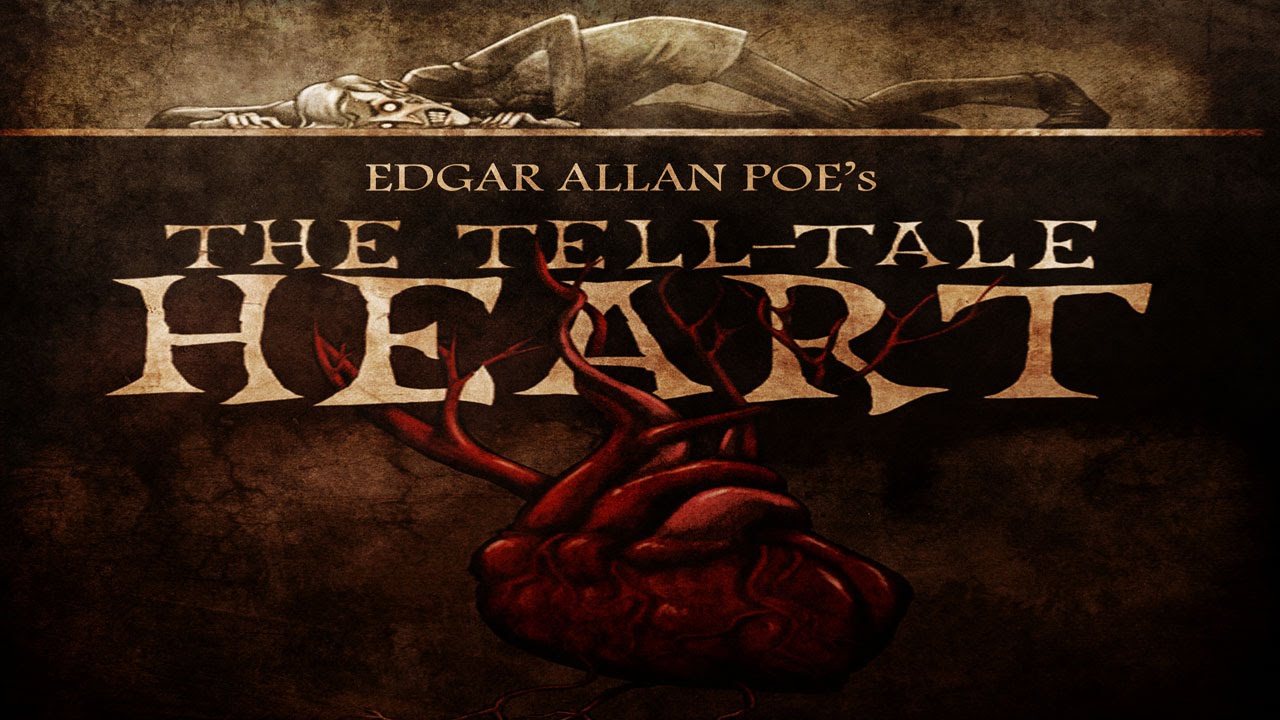
Edgar Allan Poe Heart Tell Tale
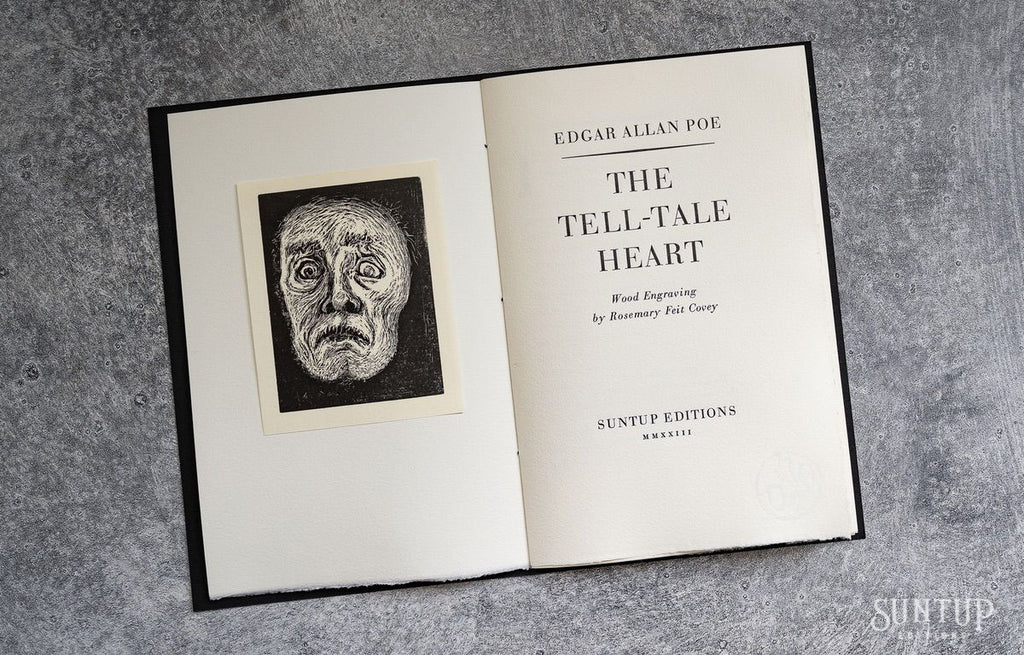
The Tell-Tale Heart by Edgar Allan Poe is a short story about unreliable narration and the destructive power of guilt.
Unreliable Narration Explained
An unreliable narrator is a character who tells the story, but we can't fully trust their version of events. They might be lying, mistaken, or mentally unstable. Imagine someone telling you a story while they're very drunk. You wouldn't take everything they say as the absolute truth.
In The Tell-Tale Heart, the narrator is clearly insane. He tries to convince us he's sane, which is the first clue that he's not. He says he can hear things from heaven and hell. A normal person wouldn't claim that.
His reasoning is also bizarre. He states he killed the old man because of his "vulture eye." It wasn't about money, revenge, or hate; only the eye bothered him. This makes no logical sense.
Because the narrator is unreliable, we have to question everything he says. Did the old man *really* have an evil eye? Or was it simply the narrator's paranoia and obsessive thoughts?
The Vulture Eye: A Symbol
The vulture eye is a key symbol. It represents something that deeply disturbs the narrator. It could symbolize:
- The narrator's own fear of death. Vultures are associated with death.
- The narrator's own guilt. The eye could be a constant reminder of something he's done wrong.
- Something the narrator sees as evil or threatening.
The eye itself might not be inherently evil, but the narrator *perceives* it that way. This perception drives him to commit murder.
The Growing Guilt
After killing the old man, the narrator hides the body under the floorboards. He's initially proud of his cleverness. He believes he's gotten away with the perfect crime.
However, his guilt starts to consume him. He begins to hear a faint thumping sound. He believes it's the old man's beating heart, even though the old man is dead.
This sound is likely a product of his own anxiety and paranoia. It represents his unbearable guilt rising to the surface.
The sound gets louder and louder, driving the narrator to the brink of madness. He becomes convinced the police officers can hear it too, even though they probably can't. This shows how powerful guilt can be.
Confession and Breakdown
Finally, the narrator can't take it anymore. He confesses to the murder, believing he's exposed. This is the climax of the story.
The confession highlights the destructive nature of unresolved guilt. The narrator's guilt became so intense that it destroyed his sanity and forced him to reveal his crime.
In short, The Tell-Tale Heart is a chilling exploration of how obsession, paranoia, and guilt can drive a person to madness and destruction. The story uses an unreliable narrator to create suspense and force the reader to question the nature of reality.
The central theme revolves around the overpowering nature of guilt, showing how it can manifest physically and mentally, ultimately leading to self-destruction.