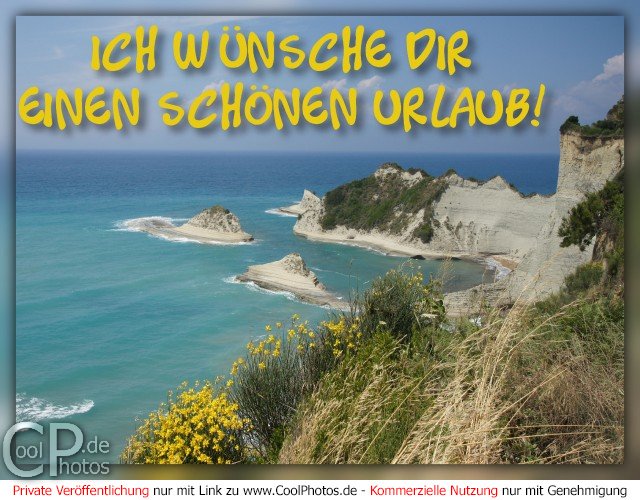
Einen Schönen Urlaub Wünsche Ich Dir
Einen Schönen Urlaub Wünsche Ich Dir: A Guide for Educators
Many German learners encounter the phrase "Einen schönen Urlaub wünsche ich dir" relatively early in their studies. It's a polite and common way to wish someone a pleasant vacation. Understanding its nuances is crucial. This article provides guidance on teaching this phrase effectively.
Breaking Down the Phrase
Let's dissect each component. "Einen schönen Urlaub" translates to "a nice vacation". "Wünsche ich" means "I wish". "Dir" signifies "to you".
The word order might seem inverted to English speakers. The standard English equivalent is "I wish you a nice vacation". Understanding this difference is key.
Grammatical Considerations
"Urlaub" is a masculine noun. Therefore, it takes the accusative article "einen". This case is used because it's the direct object of the verb "wünschen".
The pronoun "dir" is in the dative case. This indicates the recipient of the wish. Remembering these case distinctions can be challenging.
Explain to your students that cases indicate the function of a noun or pronoun in a sentence. Offer simple examples to solidify understanding.
Common Misconceptions
Students might confuse "dir" with "dich". "Dich" is also "you" but in the accusative case. Emphasize that "dir" is the correct form here.
Another common mistake is using the nominative case instead of the accusative for "Urlaub". Repeated practice is helpful. Correct usage is critical for grammatically sound sentences.
Teaching Strategies
Start with simple greetings and farewells. Build up to more complex phrases. This provides a solid foundation.
Use role-playing activities. Have students practice wishing each other a good vacation. This encourages active participation.
Incorporate visuals. Display images of vacation destinations. This helps students connect the phrase with its meaning.
Engaging Activities
Create a "vacation planning" activity. Students can research destinations and present their plans to the class. They can then wish each other a "schönen Urlaub".
"Ich plane eine Reise nach Italien! Einen schönen Urlaub wünsche ich dir auch!"
Use songs or short videos related to travel. Many resources are available online. This makes learning more fun and memorable.
Implement games like "guess the destination". Describe a place, and have students guess where it is. Reward correct answers with the opportunity to wish someone a "schönen Urlaub".
Cultural Context
Explain that wishing someone a good vacation is a sign of goodwill. It shows that you care about their well-being. This is a valued custom in German-speaking countries.
Discuss typical German vacation habits. This provides cultural insight. Students learn not just the language, but also the culture behind it. Knowing about German vacation culture adds context to the phrase.
Variations and Alternatives
While "Einen schönen Urlaub wünsche ich dir" is common, there are alternatives. "Ich wünsche dir einen schönen Urlaub" is equally valid and perhaps easier to grasp initially. Show these variations.
"Schönen Urlaub!" is a shorter, more informal version. This can be used among friends or family. Teach this phrase too.
Explain that the level of formality depends on the relationship. Choosing the right phrase shows respect.
Reinforcement and Assessment
Regularly review the phrase in different contexts. Use quizzes, worksheets, and oral practice. Consistent reinforcement is key to retention.
Encourage students to use the phrase in their own writing. This helps them internalize the grammar and vocabulary. Assess their understanding through writing exercises.
Provide constructive feedback. Help students correct their mistakes. This ensures continuous improvement. A focus on encouragement is important.
Beyond the Classroom
Encourage students to use the phrase with native speakers. This provides real-world practice. It also boosts their confidence.
Suggest that they watch German travel vlogs or movies. This exposes them to the language in a natural setting. Listening to authentic dialogues enhances comprehension.
By using varied and engaging methods, educators can effectively teach the meaning and usage of "Einen schönen Urlaub wünsche ich dir". This phrase is more than just words; it's a window into German culture and a step towards fluency.