Er Fragt Nicht Auf Englisch
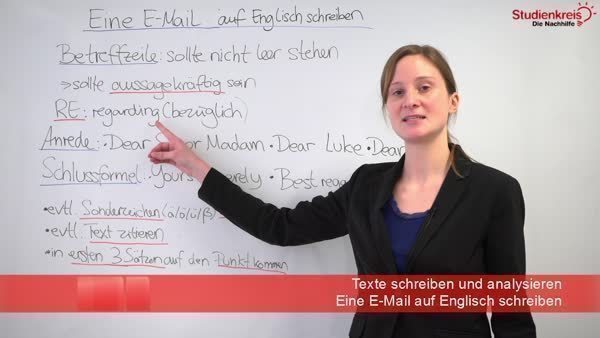
Er fragt nicht auf Englisch, or "He doesn't ask in English," refers to a common pitfall when dealing with German speakers, particularly in technical or customer service contexts. It highlights the issue of someone expecting, or needing, to receive support or information in English, but failing to explicitly state this requirement. This leads to the responder assuming German is the preferred language and providing answers in German, which is unhelpful to the person needing English.
Why This Happens: A Common Misunderstanding
Several factors contribute to this situation:
- Assumptions: German-speaking support staff often assume German is the default language, especially if the initial contact is ambiguous. They might prioritize assisting the majority of their clientele.
- Lack of Clarity: The person needing English support may not explicitly request it, perhaps assuming it's obvious based on their location or previous interactions. They might think simply typing in English will suffice.
- Cultural Differences: In some cultures, being direct is more common. German communication tends to be direct, so if you don't *ask* for English, you'll likely receive German.
- Email Chains: The context of a previous English conversation might be lost if a new email thread is started.
The Solution: A Phased Walkthrough for Guaranteed English Support
Here's a simple, phased approach to ensure you receive responses in English, regardless of the situation:
Phase 1: Initial Contact - Make It Crystal Clear
- The Subject Line is Key: Your email subject line should immediately signal your need for English. Use phrases like:
English Support RequestQuestion in EnglishEnglish Inquiry
- Opening Sentence: Start your email with a clear declaration:
- "Please reply in English. My German is not strong enough to understand technical details."
- "I would greatly appreciate a response in English."
- "I'm writing in English as I don't speak German fluently."
Example:
Subject: English Support Request - Order #12345
Dear Support Team,
Please reply in English regarding order #12345. I have a question about the shipping date.
Phase 2: During the Conversation - Reinforce the Requirement
- Gentle Reminders: If you receive a response in German despite your initial request, politely remind them.
- "I apologize, but I requested assistance in English. Could you please translate your response?"
- "Sorry, I don't understand German well. Could you please answer in English?"
- "Entschuldigung, aber ich habe um eine Antwort auf Englisch gebeten." (Use this *with* your request to translate, not *instead* of it!)
- Question the Assumption: You can also proactively ask if they are comfortable communicating in English.
- "Are you able to assist me in English?"
- "Ist es möglich, dass Sie mir auf Englisch helfen?" (Followed by your request in English.)
Example:
Their reply (in German): "Gerne helfen wir Ihnen. Ihr Bestellung ist am..."
Your reply: "I apologize, but I requested assistance in English. Could you please translate your response regarding the shipping date of order #12345?"
Phase 3: Escalation (If Necessary) - Assert Your Need
- Politely Escalate: If the problem persists, ask to speak to a supervisor or someone who can provide support in English.
- "I'm still having trouble communicating in German. Could I speak to someone who can assist me in English?"
- "Is there another representative who can provide support in English?"
- Mention Documentation: If English support is advertised, refer to it.
- "Your website states that English support is available. Could you please direct me to that service?"
Key Takeaways
- Be Proactive: Don't assume English support is automatic.
- Be Explicit: Clearly state your need for English in all communications.
- Be Polite but Persistent: Politely remind them and escalate if necessary.
By following these steps, you can effectively navigate potential language barriers and ensure you receive the support you need, erfragt or not.