Es Hat Mich Sehr Gefreut

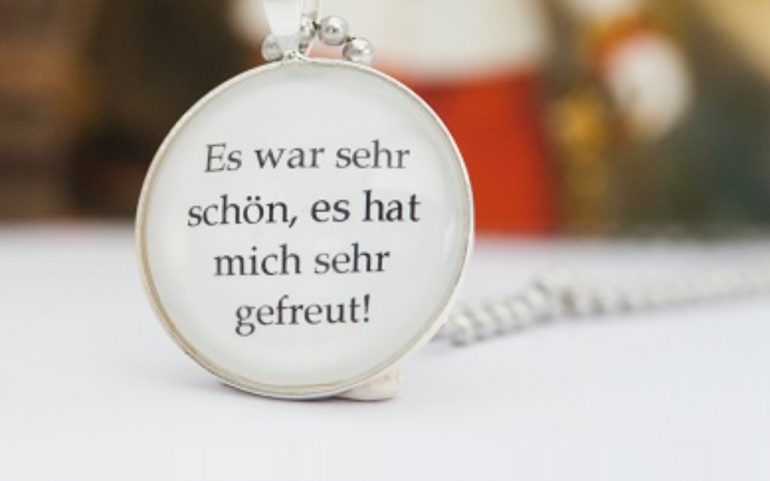
Es hat mich sehr gefreut – What does it mean? Simply put, it translates to "It pleased me very much" or "I was very pleased." Think of it as a more polite and emphatic way of saying "Nice to meet you" or "I enjoyed it."
Breaking it Down
Let's dissect the phrase:
- Es: This is a neutral pronoun, often translated as "it." In this context, it refers to the overall experience or interaction.
- Hat: This is the helping verb "haben" (to have) in the third person singular present perfect tense. It's essential for forming the past tense.
- Mich: This is the accusative (direct object) form of "ich" (I/me). It shows who is being pleased.
- Sehr: This adverb means "very" or "much." It intensifies the feeling.
- Gefreut: This is the past participle of the verb "freuen" (to please, to be glad, to rejoice). It carries the core meaning of being pleased or delighted.
When to Use It
You'd typically use Es hat mich sehr gefreut in situations where you want to express genuine pleasure or satisfaction after an interaction. Here are a few examples:
- After meeting someone new: Instead of a simple "Nice to meet you," you could say "Es hat mich sehr gefreut, Sie kennenzulernen" (It was very pleasing to get to know you).
- After a pleasant conversation: To conclude a chat, you might say, "Es hat mich sehr gefreut, mit Ihnen zu sprechen" (It was very pleasing to speak with you).
- After receiving a gift or a favor: To express sincere gratitude, you could say, "Es hat mich sehr gefreut, das Geschenk zu bekommen" (It was very pleasing to receive the gift).
- After a helpful interaction with customer service: "Es hat mich sehr gefreut, wie freundlich Sie waren" (It pleased me very much how friendly you were).
Alternatives and Nuances
While Es hat mich sehr gefreut is a versatile phrase, other options exist depending on the context. Consider these:
- Freut mich sehr: A shorter, more casual version meaning "Pleased to meet you" or "I'm very pleased." This is often used in initial introductions.
- Es war mir ein Vergnügen: This translates to "It was a pleasure for me." It's a slightly more formal and elegant way of expressing enjoyment.
- Ich habe mich sehr gefreut: While grammatically correct, using "ich" at the beginning isn't as common in this specific phrase. "Es hat mich sehr gefreut" is the standard and preferred phrasing.
Level of Formality
Es hat mich sehr gefreut strikes a good balance between politeness and friendliness. It's appropriate for both formal and informal situations, though it leans slightly towards the formal side. When in doubt, using this phrase demonstrates respect and good manners.
Think of it this way: You probably wouldn't say this to your best friend after hanging out, but you would absolutely say it to a client after a successful meeting, or to a professor after they have helped you.
Common Mistakes to Avoid
A common mistake is confusing "freuen" with other similar-sounding words. Also, make sure you use the correct case for "mich." It's the accusative case because it's the direct object of the verb.
Remember the structure: Es + hat + mich + sehr + gefreut.
Putting It All Together
So, the next time you want to express genuine pleasure in German, remember Es hat mich sehr gefreut. It's a versatile and polite way to show appreciation and leave a positive impression. Practice using it in different situations to become more comfortable and confident.
For example, imagine you had a wonderful coffee with a colleague. As you part ways, you could smile and say, "Es hat mich sehr gefreut, mich mit Ihnen zu unterhalten!" (It was very pleasing to have a conversation with you!). That simple phrase can go a long way.
Now go out there and spread some Freude!