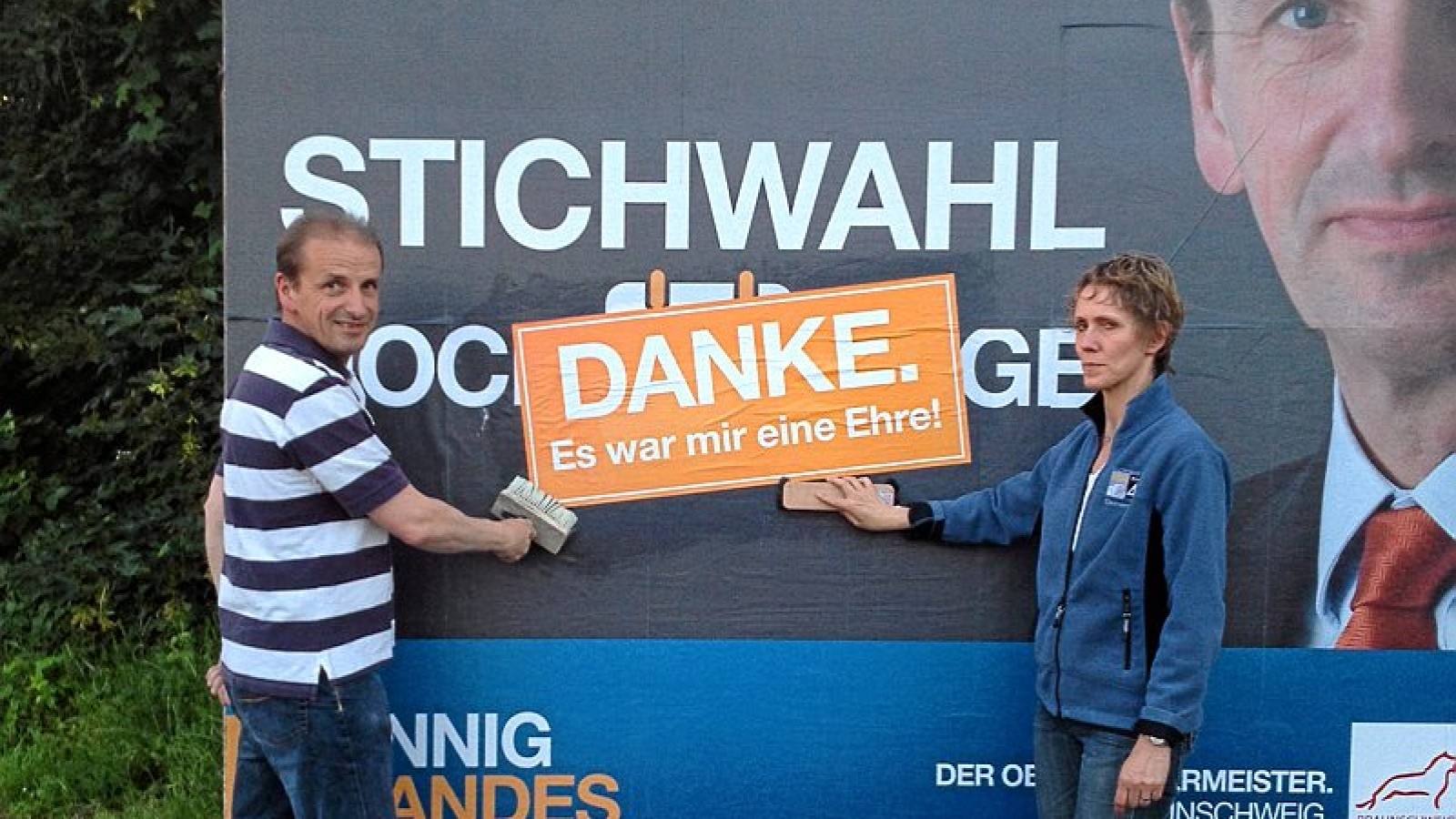
Es War Mir Eine Ehre Englisch

"Es war mir eine Ehre": Decoding German Politeness
Let's dive into the world of German courtesy! We'll explore the phrase "Es war mir eine Ehre," which translates to "It was an honor for me." Think of it as the German equivalent of saying "My pleasure" or "It was a privilege."
Imagine a knight being knighted by the Queen. He might say "Es war mir eine Ehre," to express his immense respect and gratitude. This phrase signifies more than just simple politeness. It conveys a genuine feeling of respect and appreciation for the opportunity or interaction.
Breaking Down the Phrase: Visualizing the Grammar
Let's break down the sentence to understand each element: * Es: Think of "es" as a placeholder. It does not have a direct translation, functioning like "it" in certain English constructions. * War: This is the past tense of the verb "sein," meaning "to be." Visualise a timeline; "war" represents something that has already happened. * Mir: This is the dative form of "ich" (I), meaning "to me." Imagine a gift being given to me. * Eine: This is the indefinite article "a" or "an" in the feminine form. Picture a single, specific honor. * Ehre: This means "honor." Imagine a medal of honor representing achievement and respect.
Putting it all together, we can visualise the sentence as a flow: "It *was* *to me* *an* *honor*." The pieces combined create a specific message of gratitude and respect.
When to Use "Es war mir eine Ehre"
This phrase isn't for everyday, casual situations. It is more appropriate for formal settings, like meeting a VIP or attending a prestigious event. You might use it after someone important has given you their time or shared their knowledge.
Think about receiving an award. After the ceremony, you might approach the presenter and say, "Es war mir eine Ehre, diesen Preis von Ihnen entgegenzunehmen." This means, "It was an honor for me to receive this award from you."
Alternatives for Everyday Situations
Using "Es war mir eine Ehre" in informal settings might sound overly formal or even sarcastic. Instead, use phrases like: * Gern geschehen: "You're welcome" or "My pleasure" (most common). * Kein Problem: "No problem." * Bitte: "You're welcome" (similar to "Gern geschehen" but slightly more formal).
Imagine helping a friend move some boxes. Saying "Es war mir eine Ehre" after would be weird! "Kein Problem" or "Gern geschehen" is much more natural.
Visual Summary: Honor in Action
Visualize these scenarios:
* Formal Event: Meeting a famous author after their book signing. "Es war mir eine Ehre, Sie kennenzulernen, Herr/Frau [Author's Name]." * Official Ceremony: Receiving a diploma from the university president. "Es war mir eine Ehre, an dieser Universität studiert zu haben." * Helping Someone: Offering a colleague assistance with a difficult task (but use "Gern geschehen" afterwards!). Imagine the colleague is extremely senior and the task is very important. In this case, “Es war mir eine Ehre” could be acceptable.Key takeaway: Use "Es war mir eine Ehre" when genuine respect and gratitude are paramount. Choose simpler phrases for everyday interactions.
Understanding the nuances of German politeness enhances communication. Mastering phrases like "Es war mir eine Ehre" adds depth and sincerity to your interactions. Remember the scenarios, visualize the grammar, and choose the right phrase for the context.