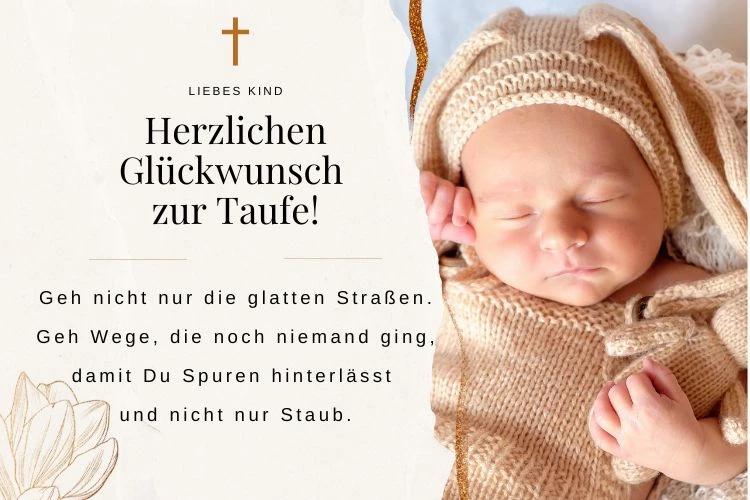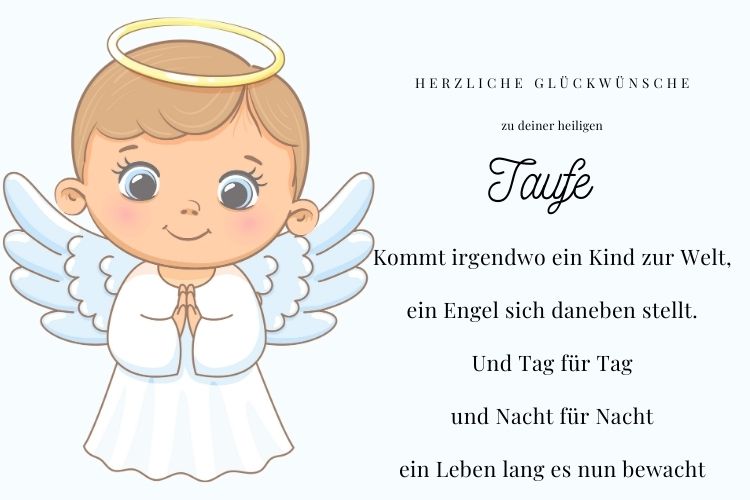
Glückwunsch Zur Taufe Von Oma Und Opa
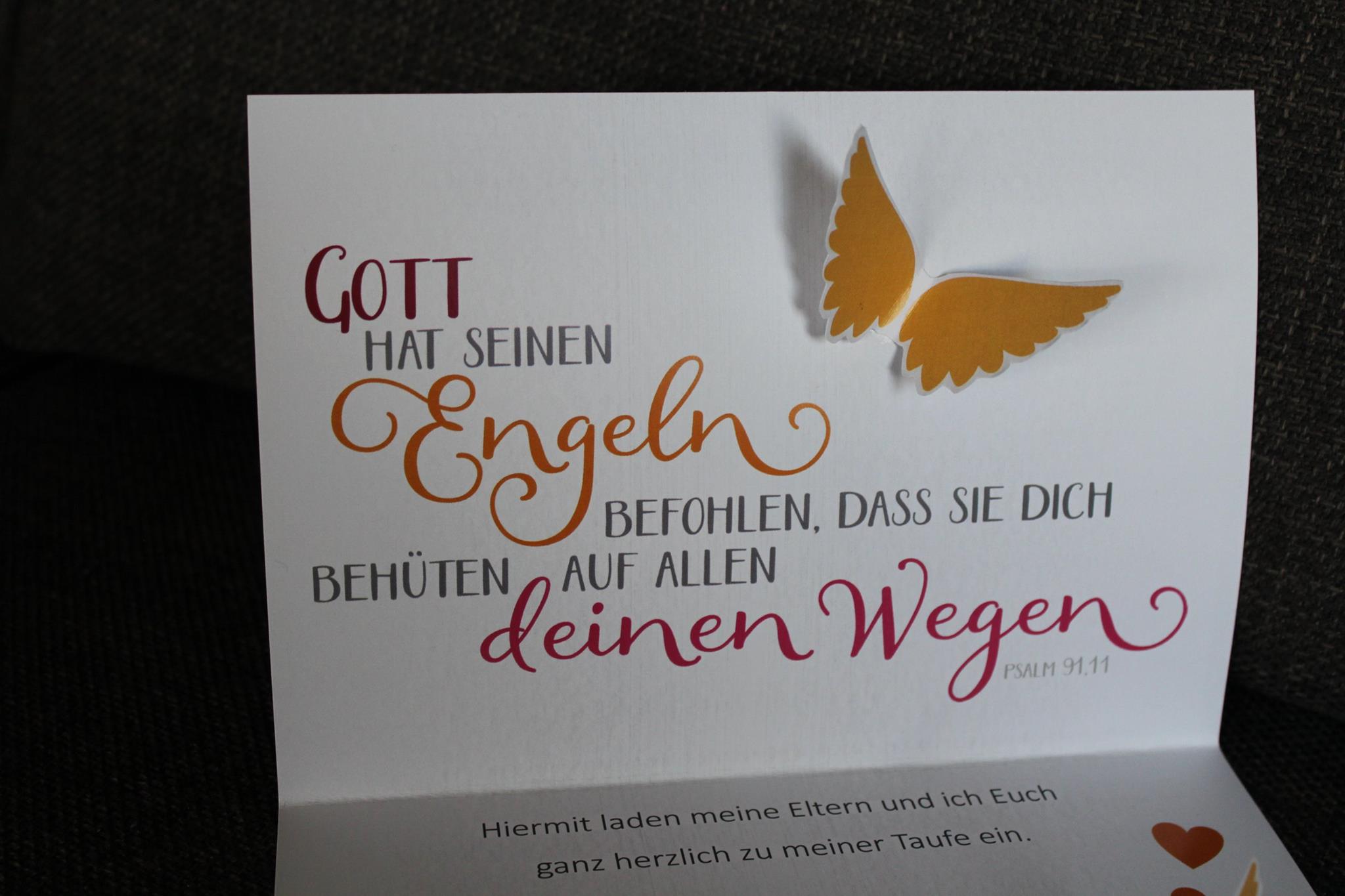
Glückwunsch zur Taufe von Oma und Opa – What does it mean? It's a German phrase expressing congratulations from grandparents for a baptism. Let's break it down.
Understanding the Words
The phrase has three main parts:
- Glückwunsch: This means "congratulations". It’s a common German word used for many happy occasions like birthdays, weddings, and new babies. Think of it like saying "Congrats!" in English.
- zur Taufe: This means "for the baptism". "Taufe" refers to the baptism ceremony. "Zur" is a preposition indicating the occasion for the congratulations. Imagine someone says, "Glückwunsch zur Hochzeit!" That's "Congratulations on the wedding!" It's the same grammatical structure.
- von Oma und Opa: This means "from Grandma and Grandpa". "Oma" is Grandma, and "Opa" is Grandpa. The "von" indicates who is sending the congratulations. So, the whole phrase is a message coming *from* the grandparents.
Putting It Together
So, "Glückwunsch zur Taufe von Oma und Opa" translates to "Congratulations on the baptism from Grandma and Grandpa". It's a direct and heartfelt way for grandparents to express their joy and good wishes at a child's baptism.
When Would You Use It?
This phrase would appear on a baptism card, a gift tag attached to a baptism present, or even be spoken aloud during the baptism celebration. It shows the grandparents are happy about the child’s religious beginning. Imagine a little girl named Sophie is being baptized. Her grandparents, Helga and Klaus, might write "Glückwunsch zur Taufe, liebe Sophie, von Oma und Opa!" inside a card. This means "Congratulations on your baptism, dear Sophie, from Grandma and Grandpa!".
Variations and Similar Phrases
While "Glückwunsch zur Taufe von Oma und Opa" is common, there are other ways to express similar sentiments. Here are a few:
- Herzlichen Glückwunsch zur Taufe: This means "Heartfelt congratulations on the baptism". It's a more emotional way to say congratulations.
- Alles Liebe zur Taufe: This means "All the love for the baptism". It’s a warmer, more affectionate wish.
- You can also add a personal message after the standard phrase. For example: "Glückwunsch zur Taufe von Oma und Opa! Wir sind so stolz auf dich!" (Congratulations on the baptism from Grandma and Grandpa! We are so proud of you!).
Why It Matters
Using this phrase shows you understand the significance of the baptism. It's more personal than just a generic "Congratulations!". It acknowledges the child's spiritual journey and expresses your happiness for the family. For German-speaking families, especially those who value tradition, using the correct phrase demonstrates respect and thoughtfulness.
Common Mistakes to Avoid
A common mistake is confusing the preposition "zur" with other similar-sounding words. Remember, "zur" indicates the *occasion*. Another mistake is forgetting the "von" when indicating who the congratulations are *from*. Leaving out "von Oma und Opa" changes the meaning entirely! Also, be sure to spell "Glückwunsch" correctly; it's a tricky word for non-native speakers. Finally, remember to capitalize nouns – "Taufe", "Oma", and "Opa" should always be capitalized.
Baptism in German Culture
Baptism is an important tradition in many German families, often marking a child's formal welcome into the Christian faith. It's a time for celebration, family gatherings, and giving gifts. Therefore, understanding appropriate greetings like "Glückwunsch zur Taufe von Oma und Opa" is valuable for anyone interacting with German-speaking families around this event. Offering heartfelt wishes contributes to the joyous atmosphere of the occasion. It demonstrates an awareness of cultural norms and traditions surrounding the baptism ceremony itself.
In conclusion, Glückwunsch zur Taufe von Oma und Opa is a specific and meaningful way for grandparents to congratulate parents and the child being baptized. By understanding the individual words and their context, you can use this phrase correctly and appropriately, contributing to a joyous and memorable occasion.