
Happy Birthday Alles Gute Zum Geburtstag
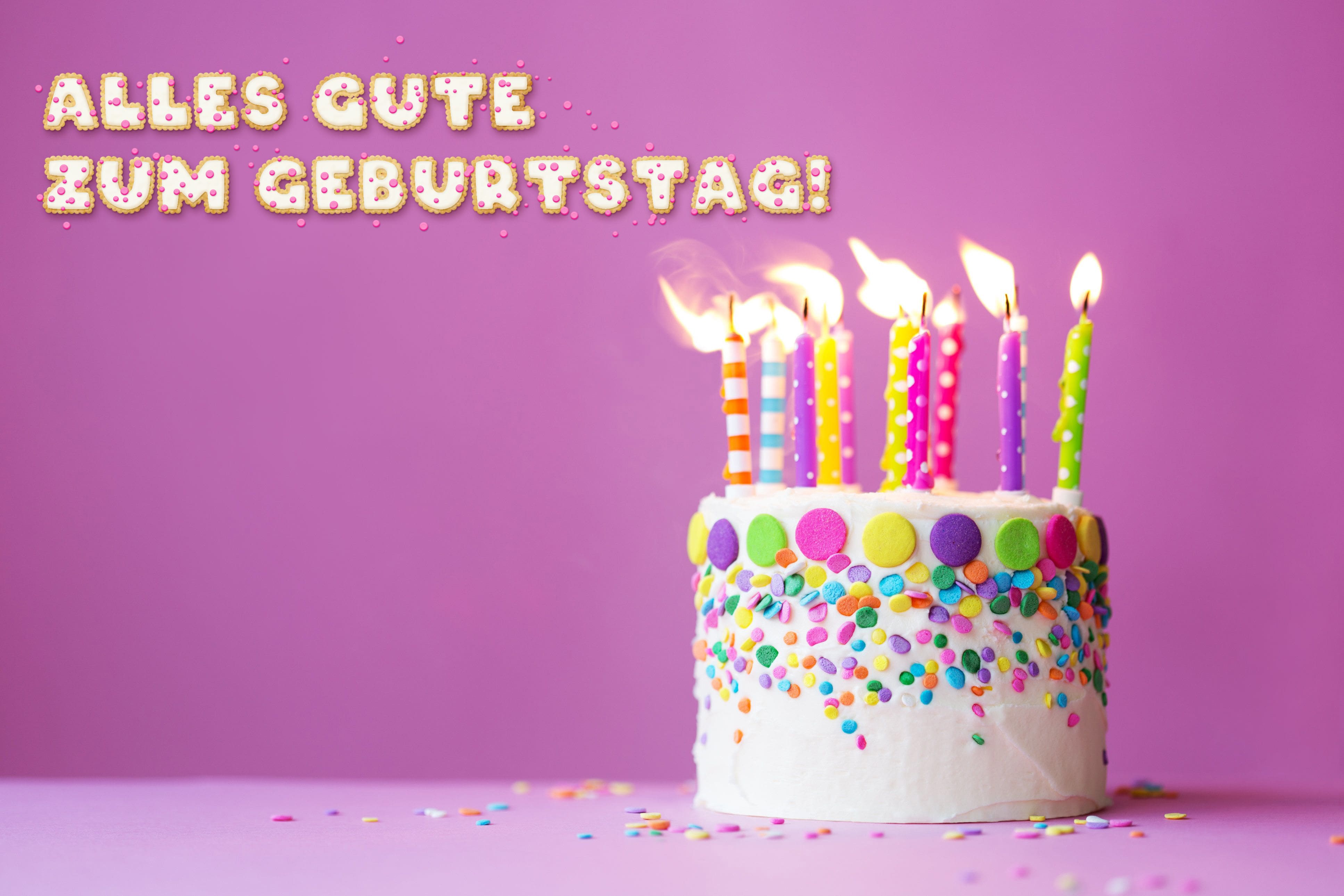
Alles Gute zum Geburtstag: Understanding the German Birthday Greeting
Alles Gute zum Geburtstag is the most common way to say "Happy Birthday" in German. It’s a phrase you'll hear often in German-speaking countries. Let's break down the phrase and explore its meaning.
The phrase is composed of three key elements. Understanding these elements is crucial to grasping the greeting. Each word contributes to the overall sentiment.
Alles means "all" or "everything". In this context, it implies wishing the birthday person all the best. It sets a positive and comprehensive tone for the greeting.
Gute means "good". It's the adjective form of "gut". This word enhances the well-wishing aspect of the phrase, focusing on positive things.
Zum Geburtstag translates to "for the birthday". It specifies the occasion for which the good wishes are intended. Geburtstag is the German word for birthday.
Pronunciation and Usage
Correct pronunciation is important for clear communication. Here's a guide to help you pronounce Alles Gute zum Geburtstag correctly. Practice each word individually before stringing them together.
Alles is pronounced something like "AH-less". The "A" is pronounced like the "a" in "father." The "ll" sounds like a single "l."
Gute is pronounced like "GOO-teh". The "u" sounds like the "oo" in "boot." The "e" at the end is a soft, short sound similar to the "a" in "about."
Zum is pronounced like "tsoom". It rhymes with "zoom," but starts with a "ts" sound (like the "ts" in "cats").
Geburtstag is a longer word pronounced like "geh-BOORTS-tahk". Break it down: "geh" (like "ge" in "get"), "BOORTS" (rhymes with "sports"), and "tahk" (like "talk").
Put it all together, and it sounds something like: "AH-less GOO-teh tsoom geh-BOORTS-tahk." Listen to native speakers online to refine your pronunciation.
Variations and Alternatives
While Alles Gute zum Geburtstag is the most common greeting, there are other ways to wish someone a happy birthday in German. These variations offer a broader range of expression. They can be more suitable depending on the context and your relationship with the person.
Herzlichen Glückwunsch zum Geburtstag! translates to "Heartfelt congratulations on your birthday!" This is a more formal and sincere greeting.
Alles Liebe zum Geburtstag! means "All my love on your birthday!" This is a more intimate and affectionate greeting.
Frohen Geburtstag! translates to "Happy Birthday!" It's a shorter and simpler alternative. It's less common but still perfectly acceptable.
Ich wünsche dir alles Gute zum Geburtstag! means "I wish you all the best for your birthday!" This phrase personalizes the greeting.
Cultural Significance
Birthdays are important celebrations in German-speaking countries. Celebrating with family and friends is common. Gift-giving is also a typical part of the tradition.
Germans often celebrate their birthdays with a "Kaffee und Kuchen" (coffee and cake) gathering. This is a social event where guests enjoy refreshments and celebrate the birthday person.
It is considered good etiquette to bring a gift to a German birthday party. Common gifts include flowers, chocolates, or small personal items. The thought behind the gift is often more important than its monetary value.
Using the appropriate birthday greeting shows respect and consideration. Alles Gute zum Geburtstag is a simple yet meaningful way to acknowledge someone's special day. Learning and using such greetings demonstrates an interest in German language and culture.
Learning a few basic phrases like Alles Gute zum Geburtstag can significantly enhance your interactions. It shows respect and creates a positive impression.
So, next time you want to wish someone a happy birthday in German, remember Alles Gute zum Geburtstag. It's a versatile and heartfelt greeting. You can also explore the alternative options to add variety and personalize your message. Happy learning!


