
Helu Connectivity Solutions Haan Gmbh
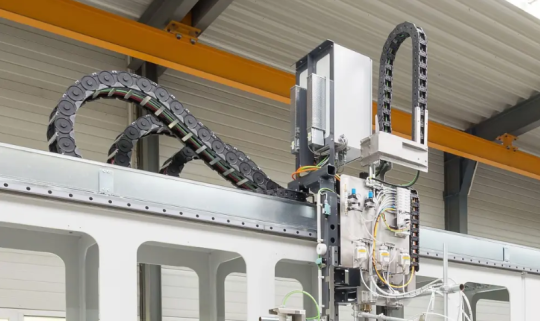
Helu Connectivity Solutions Haan GmbH (often just referred to as Helu) specializes in providing robust and reliable solutions for connecting electrical cables and components. Think of them as the unsung heroes ensuring power and data flow smoothly and safely in various applications. Their products aren't flashy, but they are essential for keeping everything from industrial machinery to your home appliances running.
What Problems Do Helu Solutions Solve?
Helu's products tackle the fundamental challenges of electrical connectivity:
- Secure Connections: Preventing loose wires and unreliable connections, which can lead to equipment malfunction, fire hazards, and downtime.
- Environmental Protection: Sealing connections against dust, water, and other contaminants, ensuring long-term reliability in harsh environments.
- Vibration Resistance: Maintaining connection integrity in environments with significant vibration, such as machinery and transportation.
- Electromagnetic Compatibility (EMC): Reducing electromagnetic interference that can disrupt sensitive electronic equipment.
- Ease of Installation and Maintenance: Offering solutions that are quick and easy to install, saving time and labor costs.
Phased Walkthrough of Common Helu Solutions (with Examples)
Let's look at some common Helu products and how they're used:
Phase 1: Identifying the Need
- Problem: You have a cable that needs to be connected to a device inside a machine exposed to moisture and vibration. You need a secure and waterproof connection.
- Helu Solution Category: Cable Glands and Connectors designed for harsh environments.
- Example: A Helu cable gland with an IP68 rating (Ingress Protection, meaning it's dust-tight and protected against continuous immersion in water) and a vibration-resistant design. These are often made of materials like brass, stainless steel, or polyamide (nylon).
Phase 2: Selecting the Right Product
- Considerations:
- Cable Diameter: Measure the diameter of the cable that will pass through the gland. Helu glands are available in various sizes to accommodate different cable diameters.
- Thread Size: Determine the thread size required for the device to which the gland will be attached (e.g., M20, PG11).
- Material: Choose a material that is compatible with the environment. Stainless steel is ideal for corrosive environments, while polyamide is often suitable for general industrial applications.
- IP Rating: Select an IP rating that provides adequate protection against the elements (e.g., IP67 for water jets, IP68 for submersion).
- EMC Requirements: If EMC protection is needed, choose a gland designed for EMC shielding.
- Example: You determine you need a polyamide gland with an M20 thread, an IP68 rating, and suitable for a cable diameter of 8-12mm. You consult the Helu catalog or website to find the appropriate part number.
Phase 3: Installation
- Steps:
- Disassemble the gland: Typically, this involves unscrewing the body from the compression nut.
- Pass the cable through the gland body: Ensure the cable passes through all the necessary components of the gland.
- Connect the cable to the device: Terminate the cable wires to the device's terminals according to the device's instructions.
- Tighten the gland: Screw the gland body into the device, ensuring it is properly seated. Then, tighten the compression nut to secure the cable and provide the necessary sealing. Do not overtighten! Follow the manufacturer's torque specifications.
- Test the connection: Gently tug on the cable to ensure it is securely held by the gland. Visually inspect the connection to ensure there are no gaps or leaks.
- Example: You carefully follow the steps above, ensuring the cable is properly seated within the gland and the compression nut is tightened to the correct torque using a torque wrench (if specified).
Phase 4: Troubleshooting
- Problem: The connection leaks when exposed to water.
- Possible Causes:
- Incorrect gland size: The cable diameter might be too small for the gland, preventing a proper seal.
- Damaged sealing elements: The O-ring or sealing insert may be damaged or worn.
- Insufficient tightening: The compression nut may not be tightened enough.
- Solutions:
- Use a gland with a smaller diameter range.
- Replace the sealing elements.
- Tighten the compression nut to the specified torque (if applicable) or slightly more. Be careful not to overtighten!
Key takeaway: Choosing the right Helu connectivity solution and installing it correctly are crucial for ensuring the long-term reliability and safety of your electrical connections. Always consult the Helu documentation and follow best practices for electrical installations.
_welcome_slider.webp)