Hiermit Sende Ich Ihnen Mein Lebenslauf
"Hiermit sende ich Ihnen meinen Lebenslauf" - What does it mean? Simply put, it's a formal German way of saying "I am sending you my resume/CV." Think of it as the professional way to introduce your resume in a cover letter or email.
Breaking it Down: Step-by-Step
Let's dissect this phrase to understand each part.
1. Hiermit: This word translates to "herewith" or "with this." It's a formal way to indicate that you're sending something along with the message itself.
Example: Imagine you're handing someone a document. "Hiermit" is like saying, "Here you go, *with this* is the document you requested."
2. Sende: This is the first-person singular form of the verb "senden," which means "to send." It means "I send."
Example: "Ich sende ein Paket" means "I send a package." "Sende" indicates the action *I* am doing.
3. Ich: This is the pronoun "I." It's the person doing the sending.
Why is it used with "sende?" Even though "sende" implies "I," explicitly stating "Ich" emphasizes who is sending the document. It adds a layer of formality and clarity.
4. Ihnen: This means "to you." But it's the formal "you" in German (as opposed to the informal "dir"). Using "Ihnen" shows respect, crucial in professional communication.
Example: You would use "Ihnen" when addressing a potential employer, a professor, or someone older than you who you don't know well.
5. Meinen: This is the accusative masculine form of "mein," meaning "my." It refers to the possessive – the resume *belongs* to you.
Important: German grammar uses different forms of possessive pronouns depending on the gender and case of the noun they modify. "Lebenslauf" is masculine in German, and in this sentence, it's in the accusative case because it's the direct object of the verb "sende." Hence, "meinen."
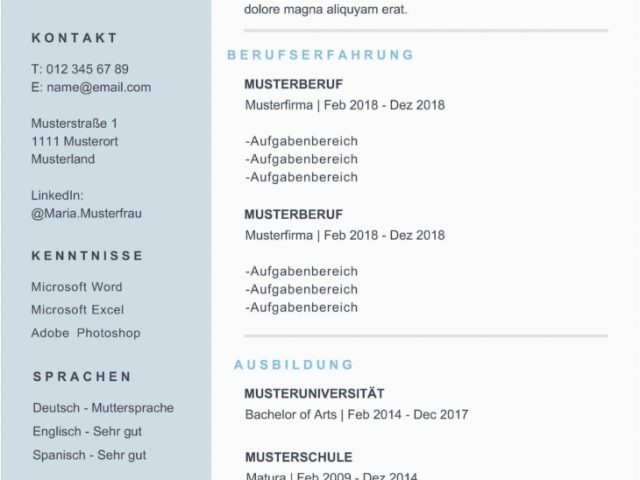
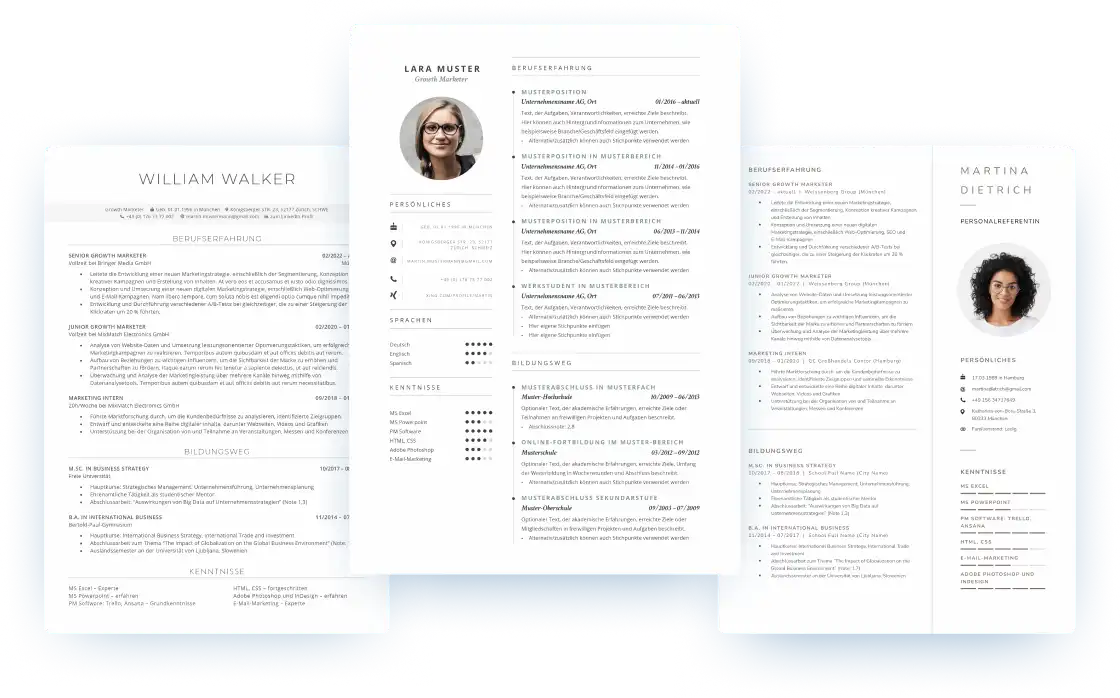
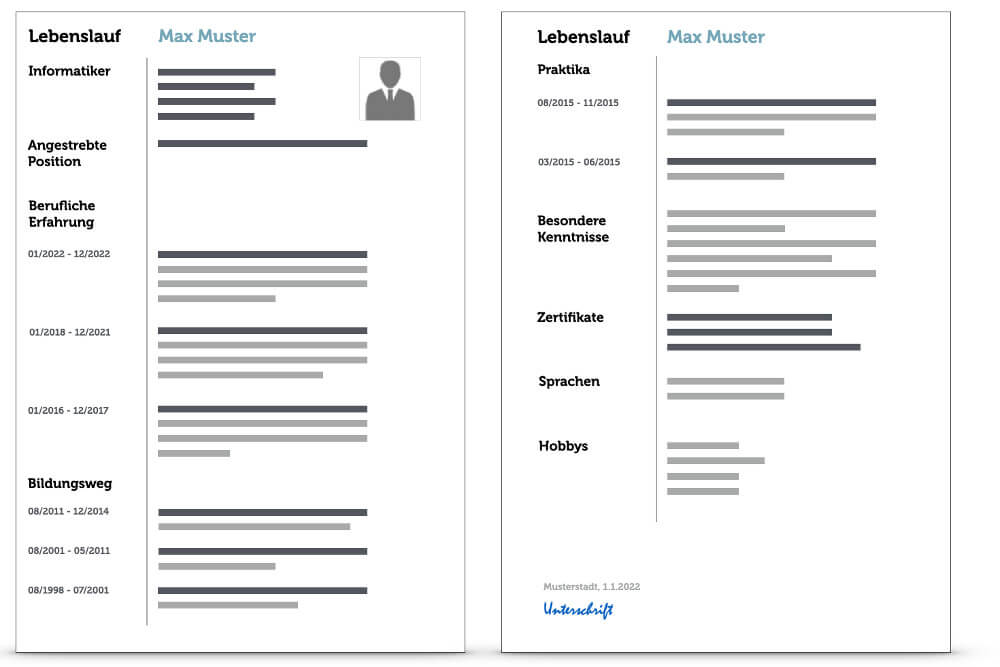
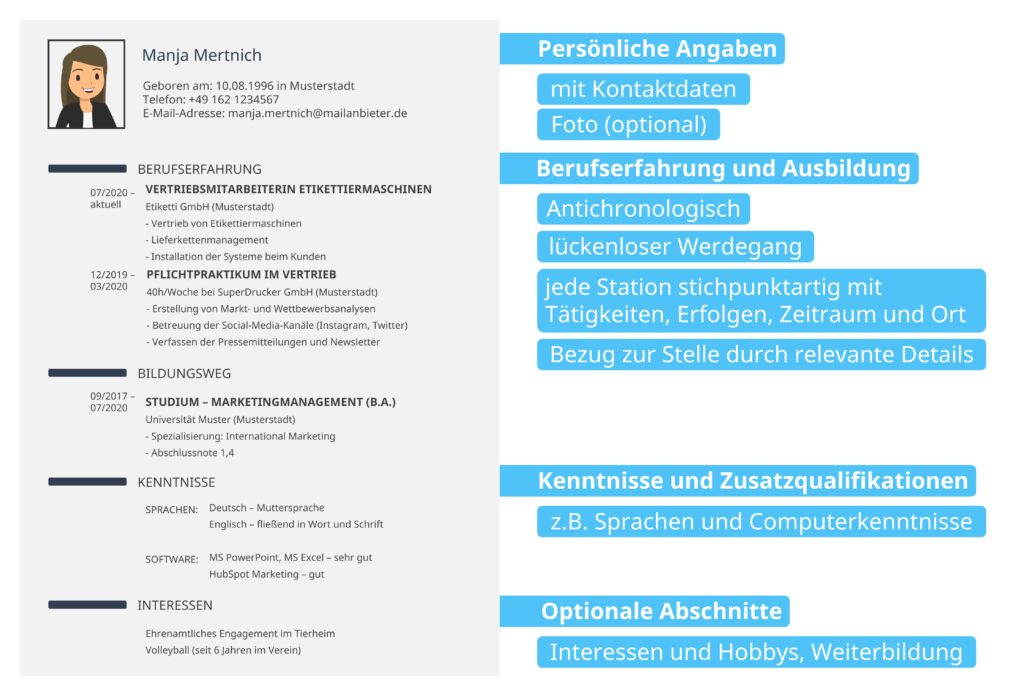
6. Lebenslauf: This translates directly to "curriculum vitae" or "resume/CV." It's the document outlining your work experience, education, and skills.
Think of it this way: "Lebens" means "life," and "Lauf" means "course" or "run." So, "Lebenslauf" is the course of your life in terms of your career and education.
Putting it All Together
So, "Hiermit sende ich Ihnen meinen Lebenslauf" translates literally as "With this, I send to you my resume."
A More Natural Translation: "I am sending you my resume" or "Please find attached my resume." While a direct translation gets the idea across, these are more common and natural-sounding English equivalents.
When to Use This Phrase
This phrase is most appropriate in formal emails or cover letters when applying for a job or sending your resume to someone in a professional context.
Example: In an email to a hiring manager, you might write:
Sehr geehrte/r Frau/Herr [Name],
Hiermit sende ich Ihnen meinen Lebenslauf als Bewerbung für die Stelle als [Job Title].
Mit freundlichen Grüßen,
[Your Name]
Alternatives
While "Hiermit sende ich Ihnen meinen Lebenslauf" is perfectly acceptable, there are other ways to convey the same message, some slightly less formal.
Examples:
- Im Anhang finden Sie meinen Lebenslauf. (You'll find my resume attached.)
- Anbei sende ich Ihnen meinen Lebenslauf. (Attached, I am sending you my resume.)
- Ich füge meinen Lebenslauf bei. (I am attaching my resume.)
Key Takeaway
Understanding "Hiermit sende ich Ihnen meinen Lebenslauf" empowers you to communicate professionally in German. Knowing the individual parts makes it easier to grasp the overall meaning and choose appropriate alternatives. Remember to use this phrase (or a similar one) in formal situations when sending your resume.