Ich Du Er Sie Es Englisch
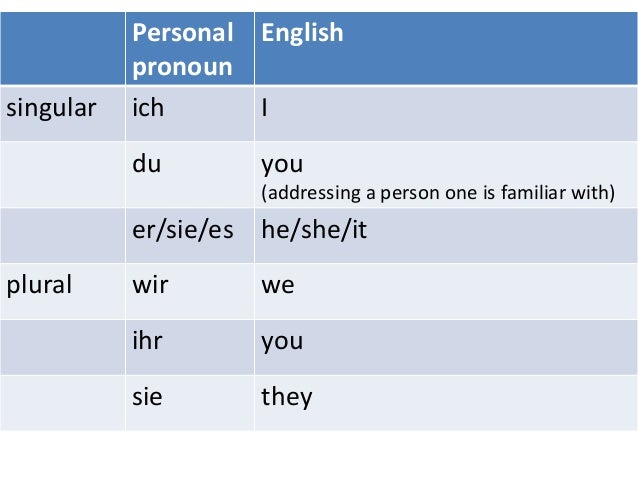
"Ich, du, er, sie, es" are the German words for the personal pronouns in the nominative case. They are essential for forming basic sentences.
These pronouns correspond directly to English pronouns. They indicate who is performing the action of the verb. Understanding them is crucial for German grammar.
Let's break down each pronoun individually:
Ich:
Ich means "I" in English. It always refers to the speaker. It's always capitalized, even in the middle of a sentence.
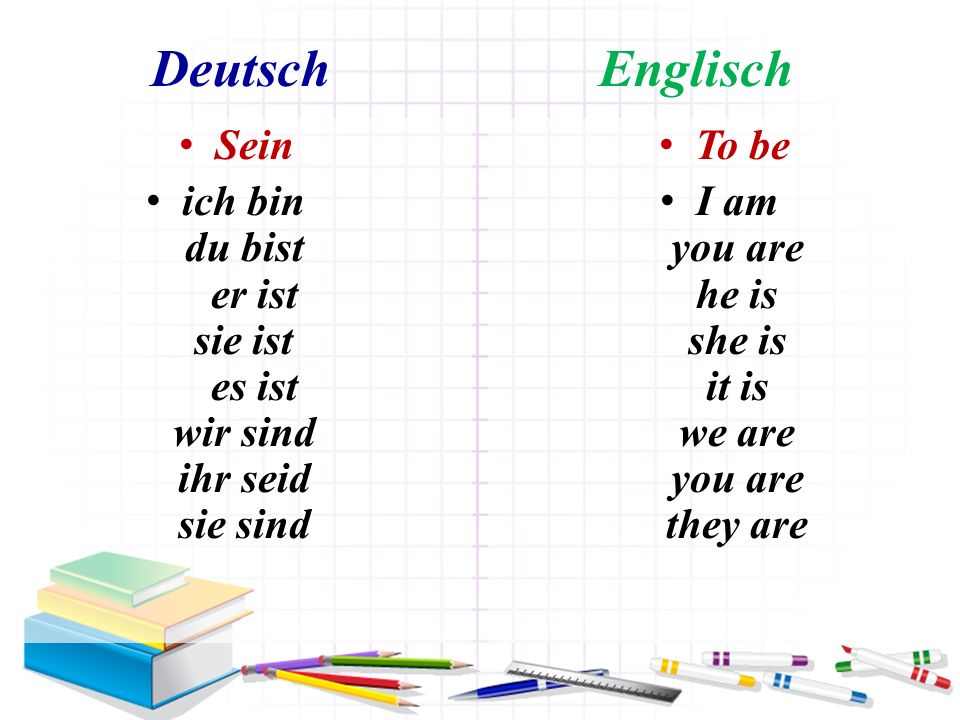
Example: Ich bin müde. (I am tired.) I am going to the store.
Du:
Du means "you" (singular, informal). Use it with friends, family, or people you know well. Be careful to use the correct form based on your relationship.
Example: Du bist mein Freund. (You are my friend.) How are you doing?
Er:
Er means "he." It refers to a male person or animal. He is a very good player.
Example: Er ist mein Bruder. (He is my brother.) Er spielt Fußball. (He plays soccer.)
Sie:
Sie has two meanings. It can mean "she" (singular) or "they" (plural). You will know from the context or verb conjugation.
Example: Sie ist meine Schwester. (She is my sister.) Sie sind meine Eltern. (They are my parents.)
Es:
Es means "it." It refers to a neuter noun. German nouns have grammatical genders: masculine, feminine, or neuter.
Example: Es ist kalt. (It is cold.) Es ist ein Buch. (It is a book.)
Formal "You": Sie
German also has a formal "you": Sie (capitalized). Use it when addressing people you don't know well, elders, or people in positions of authority.
Example: Wie geht es Ihnen? (How are you? - formal.) Sie sind sehr freundlich. (You are very kind. - formal)
Plural "You": Ihr
Ihr means "you" (plural, informal). Use it when addressing a group of people you know well. It does not have a direct equivalent in standard English. It's like saying "you all" or "y'all."
Example: Ihr seid meine Freunde. (You are my friends - referring to multiple people.) How are you all doing?
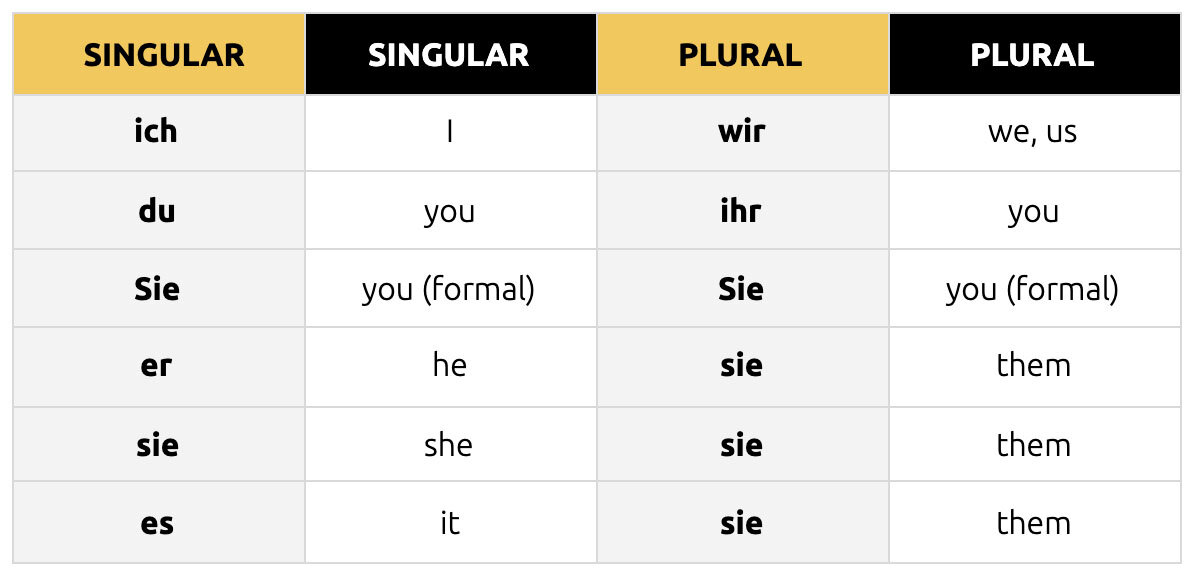
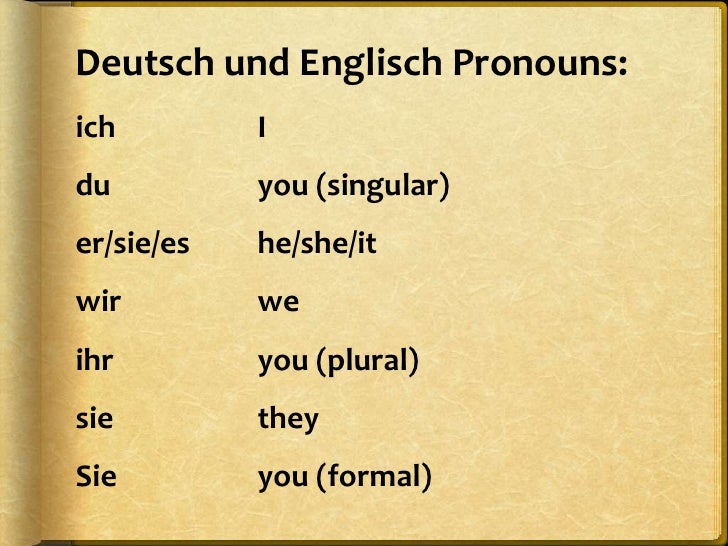
Here's a summary table:
Ich - I
Du - You (informal, singular)
Er - He
Sie - She / They
Es - It
Sie - You (formal, singular/plural)
Ihr - You (informal, plural)
Understanding and using these pronouns correctly is the foundation of speaking German. Practice using them in sentences to improve your fluency. Pay close attention to the verb conjugations that go with each pronoun. With practice, you'll master ich, du, er, sie, es and the rest!