
Ich Möchte Diesen Teppich Nicht Kaufen
"Ich möchte diesen Teppich nicht kaufen": Navigating Refusals in German
As educators, we often introduce basic phrases like greetings and requests early on. However, mastering the art of polite refusal is just as crucial. The phrase "Ich möchte diesen Teppich nicht kaufen" ("I don't want to buy this rug") provides a perfect starting point.
It showcases the use of "möchte" (would like to), a polite form of "wollen" (to want). This allows students to express their desires gently. We can use this sentence structure to teach about expressing polite refusals in various contexts. It is important to expose students to variations of the expression.
Teaching Strategies: Bringing Refusals to Life
Role-playing is an excellent method. Create scenarios where students practice refusing offers or suggestions politely. A simple scenario could be a shopkeeper trying to sell a rug or a friend offering food. The student must then politely decline. This practice encourages spontaneity and correct usage.
Real-world examples resonate with students. Discuss situations where polite refusal is essential. Consider scenarios at restaurants, stores, or when receiving unwanted advice. These scenarios provide a tangible connection to the language.
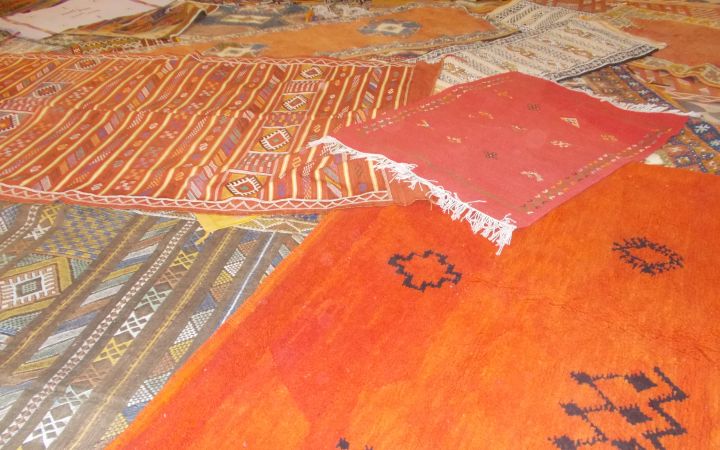
Use visuals to enhance understanding. Show images of different rugs or scenarios where someone might refuse something. The images trigger student attention. Consider using audio clips as well. Hearing native speakers pronounce the phrase can drastically improve pronunciation.
Common Misconceptions and How to Address Them
One common mistake is confusing "möchten" and "wollen". Explain that "möchten" is generally more polite. Emphasize the nuance between simply stating a desire and expressing a polite request or refusal. Students may struggle with the direct word-for-word translation.
Some students might struggle with word order. German sentence structure, particularly with modal verbs like "möchten", can be tricky. Provide ample examples and practice exercises focusing on correct sentence construction. Break down the sentence into smaller, manageable components.
Students might hesitate to refuse anything directly. Cultural differences often play a role. Discuss the importance of politeness and indirectness in German-speaking cultures. Explain that a simple "Nein, danke" might be sufficient in some cases, but a more elaborate phrase is generally appreciated.
Making it Engaging: Fun Activities and Games
Incorporate interactive games. "Refusal Bingo" can be a fun way to practice. Prepare cards with different scenarios and have students respond using the target phrase. These games keep students engaged. This method fosters a positive learning atmosphere.
Use storytelling to create context. Create a short story or skit where characters must refuse offers politely. The story can center around the character, perhaps a tourist, visiting a market. Use different characters. This introduces diverse vocabulary.
Consider a "German Idol" style activity. Have students perform short skits where they practice refusals in different settings. Offer feedback on their pronunciation, intonation, and overall politeness. Students are motivated by competition.
Beyond the Rug: Expanding the Vocabulary
Once students are comfortable with the basic phrase, introduce variations. "Ich möchte das nicht" (I don't want that) and "Nein, danke, ich brauche das nicht" (No, thank you, I don't need that) are useful alternatives. Equip students with various options.
Explore related vocabulary. Teach words for different types of items one might refuse, such as food, drinks, or services. Expand their vocabulary through associations. Help students develop independence in communication.
Encourage students to create their own scenarios. This allows them to personalize their learning experience. Encourage creativity and the application of acquired knowledge. This helps boost student confidence.
Remember to emphasize the importance of context and tone. Refusal is a skill that requires nuance. "Ich möchte diesen Teppich nicht kaufen" is merely a starting point.
By incorporating these tips and strategies, you can help your students master the art of polite refusal in German, opening doors to more authentic and meaningful communication.

+(infinitive).jpg)