Ich Wünsch Dir Einen Schönen Tag
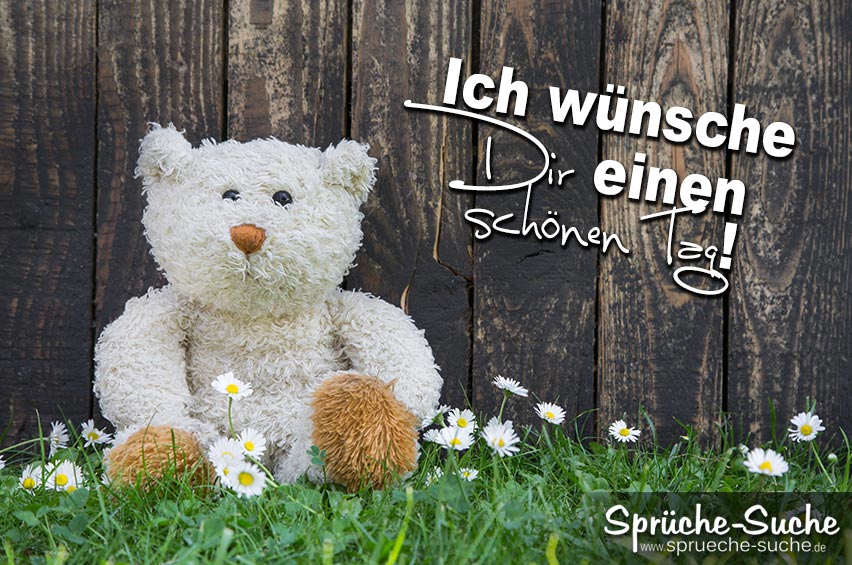
"Ich wünsch dir einen schönen Tag" is a German phrase. It means "I wish you a nice day." Let's break it down to understand it better.
Word by Word
Each word has a specific meaning:
- Ich: This simply means "I" in English. It's the first-person pronoun. Example: Ich bin müde. (I am tired.)
- wünsch: This is the first-person singular form of the verb wünschen, which means "to wish". Think of it like making a wish. Example: Ich wünsche mir ein Fahrrad. (I wish for a bicycle.)
- dir: This is the dative form of du, which means "you" (informal, singular). It acts as the indirect object in the sentence. The wish is *for* you. Example: Ich gebe dir das Buch. (I give *you* the book.)
- einen: This is the accusative masculine singular form of the indefinite article ein, meaning "a" or "one". It describes the noun that follows.
- schönen: This is an adjective meaning "nice," "beautiful," or "pleasant." It describes the type of day being wished. Example: Ein schöner Garten. (A beautiful garden.)
- Tag: This means "day." It's a masculine noun. Example: Der Tag ist lang. (The day is long.)
Putting it Together
So, when we combine all these words, we get:
Ich wünsch dir einen schönen Tag = I wish (to) you a nice day.
When to Use It
This phrase is a polite and friendly way to say goodbye or to end a conversation. You can use it with:
- Friends
- Family
- Colleagues (if you have a friendly relationship)
- Service staff (e.g., in a shop or restaurant)
It's a common courtesy. It's like saying "Have a good day" in English.
Formal Alternatives
While "Ich wünsch dir einen schönen Tag" is generally appropriate, there are more formal options if you're speaking to someone you don't know well, or someone of higher authority. A more formal equivalent would be:
- Ich wünsche Ihnen einen schönen Tag: This uses the formal "you" (Ihnen) instead of the informal "you" (dir).
The difference is similar to using "you" versus "sir/madam" in English.
Variations
You might also hear similar phrases, such as:
- Schönen Tag noch!: This is a shorter way of saying "Have a nice day!" or "Have a good one!" It means "Nice day still!" (meaning for the rest of the day).
- Hab einen schönen Tag!: This literally translates to "Have a nice day!" It's also very common and informal.
Examples in Everyday Situations
Here are some examples of how you might use this phrase:
- Leaving a shop: "Vielen Dank! Ich wünsch dir einen schönen Tag!" (Thank you very much! I wish you a nice day!)
- Ending a phone call with a friend: "Okay, dann bis bald! Ich wünsch dir einen schönen Tag!" (Okay, then see you soon! I wish you a nice day!)
- Saying goodbye to a colleague: "Tschüss! Ich wünsch dir einen schönen Tag!" (Goodbye! I wish you a nice day!)
Conclusion
"Ich wünsch dir einen schönen Tag" is a simple yet important phrase in German. It shows kindness and good manners. Now you know what it means, how to use it, and even some alternatives! So, next time you're speaking German, don't hesitate to use it. You'll be sure to leave a positive impression.