If I Was You Or If I Were

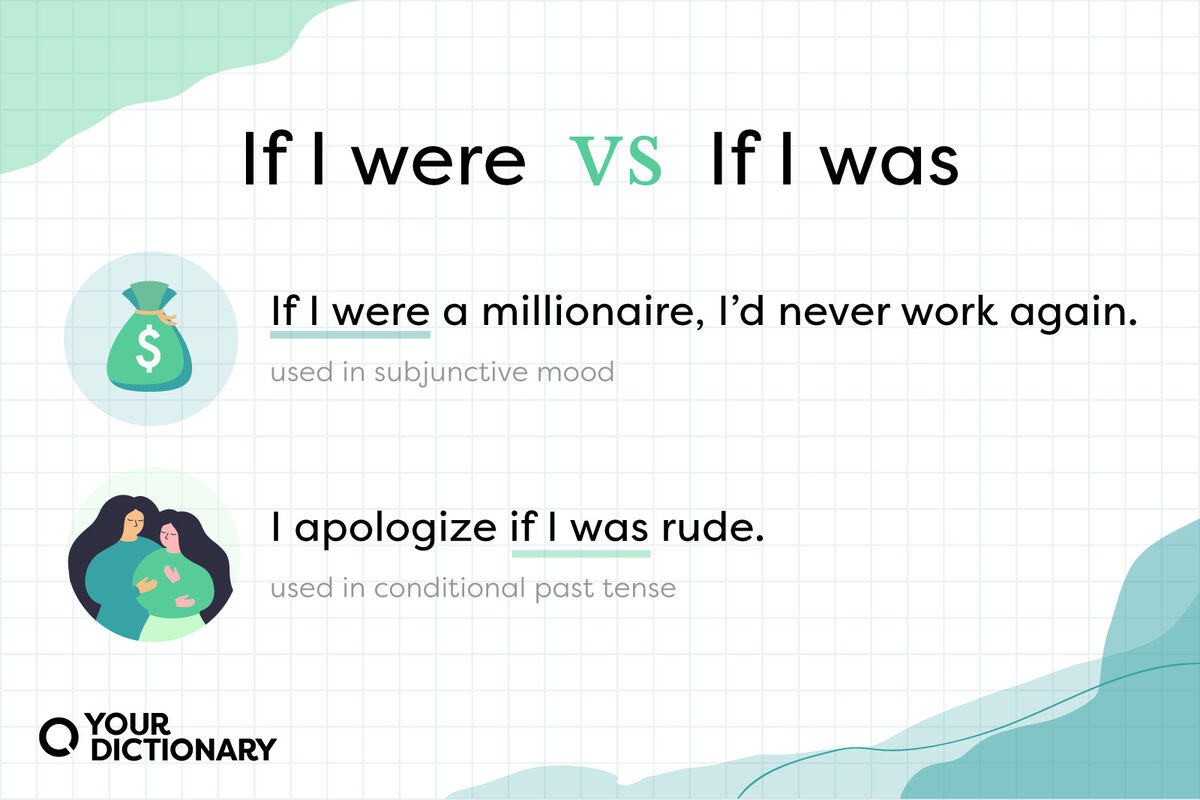
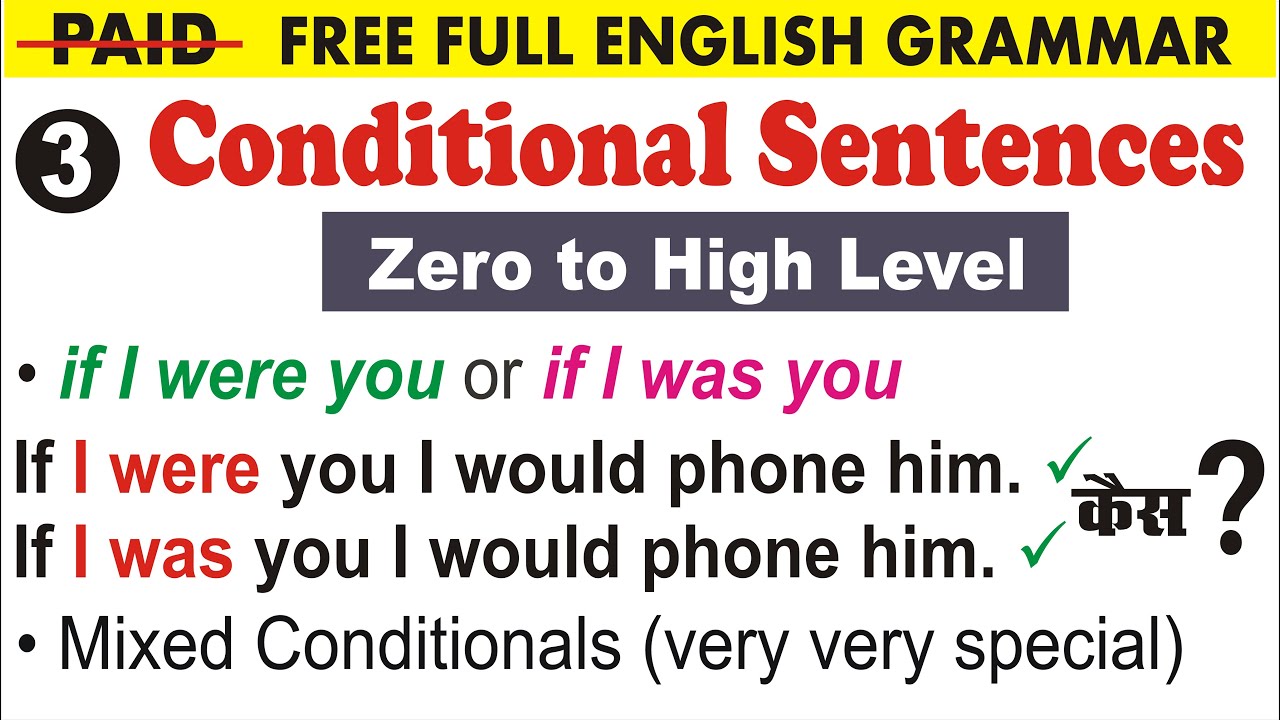
The phrase "If I were you" is an example of the subjunctive mood. This mood deals with hypothetical or imaginary situations. "If I was you" is generally considered grammatically incorrect in formal writing and speech.
Understanding the Subjunctive Mood
The subjunctive mood is used to express wishes, possibilities, suggestions, or situations that are contrary to fact. It’s often used in "if" clauses describing unreal or unlikely scenarios.
Let's break it down step by step:
- Hypothetical Situations: These are situations that are not real or are unlikely to happen. Think of them as "what if" scenarios.
- Contrary to Fact: This means the situation is the opposite of what is actually true.
"If I Were You" Explained
The phrase "If I were you" falls into the category of being contrary to fact. It’s simply impossible for you to become someone else. Because of this, we use "were" instead of "was."
Consider this: you are you, and I am me. Therefore, saying "If I was you" implies a possibility that doesn't exist. Saying "If I were you" acknowledges the impossibility, making it grammatically correct.
Example: "If I were taller, I could reach the top shelf." (But I'm not taller, so this is a hypothetical situation.)
Why "Were" and Not "Was"?
The verb "to be" changes its form depending on the subject and the tense. In the past tense, we usually say "I was," "he/she/it was," and "we/you/they were."
However, in the subjunctive mood, the form of "to be" changes. The standard rule dictates that regardless of the subject (I, he, she, it), we use "were" in these hypothetical situations.
Example: "If he were here, he would know what to do." (He is not here, so it's a hypothetical.)
More Examples of the Subjunctive Mood
Here are a few more examples to solidify your understanding:
- "I wish I were rich." (I am not rich.)
- "If she were to win the lottery, she would travel the world." (She hasn’t won the lottery.)
- "He acts as if he were the boss." (He is not the boss.)
When "Was" Might Be Acceptable (Informally)
While "If I were you" is the grammatically correct and preferred form, you might hear "If I was you" in informal conversation. This is becoming more common, but it's generally best to stick to "were" in formal writing and when you want to be grammatically precise.
Think of it like this: using "were" makes your sentence sound more polished and educated. Using "was" is more casual and might be acceptable in everyday speech, but not in a formal essay or presentation.
Key Takeaway
Remember, "If I were you" is the standard, grammatically correct phrase to use when expressing a hypothetical or impossible situation. Although "If I was you" is sometimes heard informally, using "were" demonstrates better grammar and clarity.
Practice using "were" in your sentences to become more comfortable with the subjunctive mood. The more you use it, the more natural it will become!