Im Anhang Finden Sie Die Unterlagen

"Im Anhang finden Sie die Unterlagen": Decoding German Email Lingo
Ever received an email in German that says "Im Anhang finden Sie die Unterlagen"? Don't worry, it's simpler than it looks! It's a very common phrase used in professional and academic contexts. This article will break it down for you. We'll translate it and explain its meaning.
Let's start with the individual words.
- Im: A contraction of "in dem," meaning "in the." It's like saying "in the" in English.
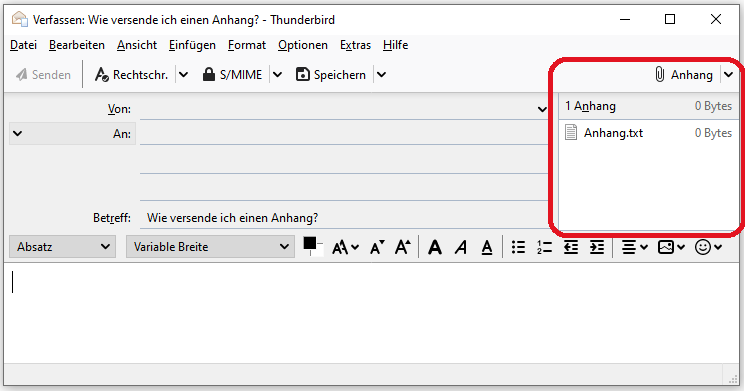
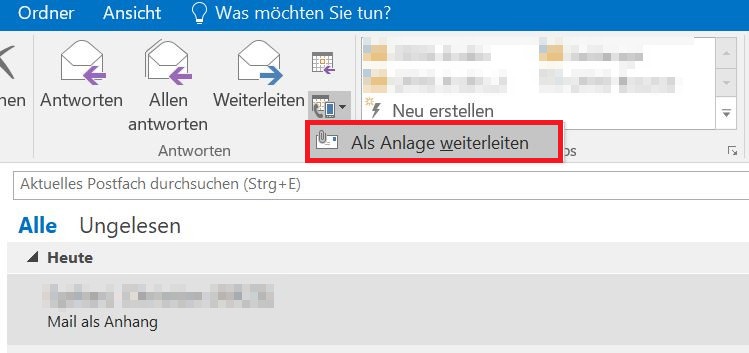
- Anhang: This word means "attachment." Think of it as the file that's linked to the email. You've probably seen attachments before.
- finden: This is the verb "to find." It indicates where something can be located. It's a common verb used in many contexts.
- Sie: This is the formal "you" in German. It's used when addressing someone respectfully. It's common in professional and academic settings.
- die Unterlagen: This translates to "the documents" or "the materials." These could be reports, presentations, or any kind of information. They are crucial pieces of information.
So, "Im Anhang finden Sie die Unterlagen" literally translates to "In the attachment you find the documents." However, a more natural English translation would be: "Please find the documents in the attachment," or "The documents are attached." It's a polite way to tell someone that the information they need is included in the email's attachment.
Why is this phrase used?
This phrase is a standard part of German business communication. It provides clarity. It also shows respect for the recipient. Germans value direct and polite communication in professional settings.
Think of it like this. Imagine you're sending a homework assignment to your teacher. You wouldn't just send the file without saying anything, right? You might say, "Here is my assignment." "Im Anhang finden Sie die Unterlagen" serves the same purpose. But it’s more formal and frequently used in professional settings. It's a professional and courteous introduction to the attached file.
Another example. Suppose you're applying for an internship. You attach your resume and cover letter to your email. You would write something like: "Im Anhang finden Sie meine Bewerbungsunterlagen." This translates to "Please find my application documents in the attachment."
Variations and Alternatives
While "Im Anhang finden Sie die Unterlagen" is the most common phrase, there are some variations. You might see some alternatives used, depending on the context.
Here are a few:
- Anbei finden Sie...: This means "Enclosed you will find..." It's very similar in meaning and usage.
- Im beigefügten Dokument...: This translates to "In the attached document..." It's useful when you are referring to a specific document.
- Sie finden die Unterlagen im Anhang: This is a more direct way of saying it, but slightly less formal.
These variations all essentially convey the same message. The important thing is to understand that the documents are attached to the email. Choose the phrase that best suits the situation and your level of formality. Consider using these alternatives for variety, or if you feel they better suit the specific document being attached. Remember to maintain a professional tone in your communications.
Key Takeaways
Let's summarize the key points. "Im Anhang finden Sie die Unterlagen" means "Please find the documents in the attachment." It is a standard phrase in German email communication. It is used to politely direct the recipient to the attached files. Understanding this phrase is essential for navigating German business and academic correspondence.
When you see this phrase, immediately look for the attachment. Ensure you download the files and review the information. You now have the knowledge to confidently interpret this common German phrase.
Learning phrases like this helps you understand the nuances of a language. These seemingly small details can make a big difference in your communication. Good luck with your language learning journey! Remember practice is important. Soon you will be able to understand any emails and learn more.