Im Urlaub Oder In Urlaub
"Im Urlaub" vs. "In Urlaub": A Guide for German Educators
This article helps you navigate the nuances of "im Urlaub" and "in Urlaub". It offers insights for your German language lessons. You will find effective teaching strategies.
The core of the matter is preposition usage. The German language relies heavily on prepositions. Mastering them is crucial for fluency and comprehension.
The Correct Usage
"Im Urlaub" is generally the more common and preferred phrase. It means "on vacation" or "during vacation." Think of "im" as a contraction of "in dem," referring to a specific, understood timeframe.
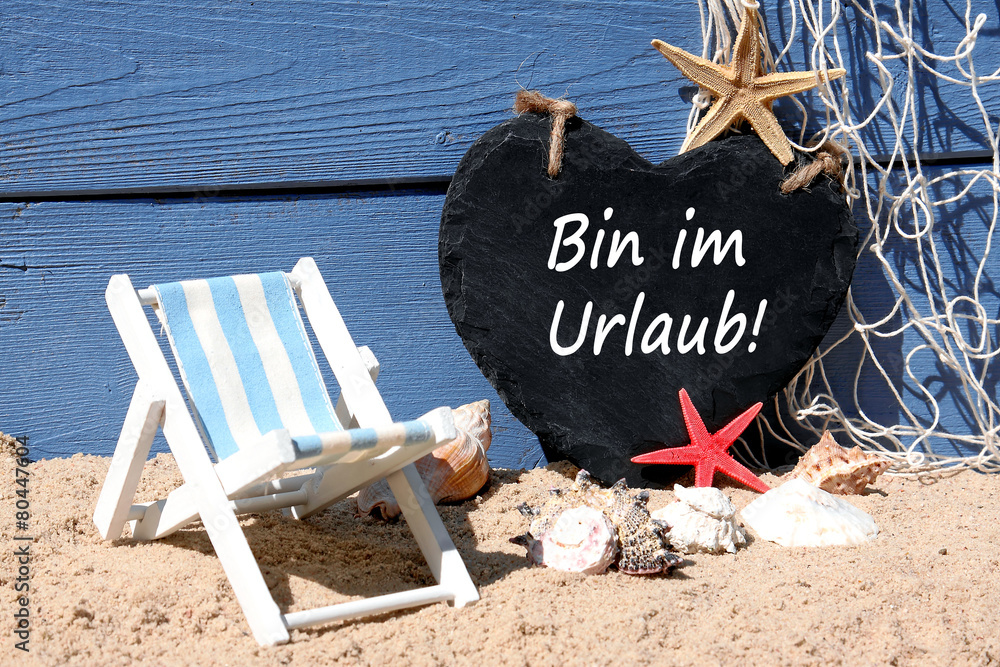
We use "im Urlaub" to describe a state of being. For example, "Ich bin im Urlaub" (I am on vacation). This signifies the active period of being away.
"In Urlaub" can be used, but less frequently. Its usage is primarily when referring to going *on* vacation, typically with verbs like "fahren" (to drive), "fliegen" (to fly), or "gehen" (to go).
For example, "Wir fahren in Urlaub" (We are going on vacation). Notice the movement implied by the verb. Consider it directionality more than a state.
Common Misconceptions
One frequent error is using "in Urlaub" to describe *being* on vacation. Students might incorrectly say "Ich bin in Urlaub," which sounds less natural than "Ich bin im Urlaub."
Another misconception lies in overgeneralizing the "in" + movement rule. Just because a verb suggests movement doesn't automatically necessitate "in Urlaub" instead of "im Urlaub". Context is key.
Sometimes, learners confuse "Urlaub" with other nouns needing different prepositions. Reinforce that "Urlaub" follows specific rules. Regular practice minimizes errors.
Teaching Strategies for the Classroom
Start with clear explanations using visuals. Use pictures depicting people on vacation. Label them with the correct phrases: "im Urlaub" and "in Urlaub fahren."
Engage students with relatable examples. Ask them about their own vacation experiences. Encourage them to use the phrases correctly in their answers.
Implement fill-in-the-blank exercises. Provide sentences with missing prepositions. Students choose between "im" and "in" based on the context and the verb.
Utilize dialogues and role-playing scenarios. Create short conversations about vacation plans. Students practice using the phrases naturally within a context.
Incorporate games and activities. A "Vacation Bingo" game, with squares featuring sentences using "im" and "in Urlaub," can be fun and educational. This creates an enjoyable learning experience.
Making it Engaging
Use authentic materials like travel brochures. Analyze how native speakers use "im Urlaub" and "in Urlaub." Highlight these examples for student awareness.
Show short video clips of people talking about their vacations. Pay attention to the language they use. This allows students to hear the phrases in natural speech.
Encourage students to create their own vacation plans. Have them present these plans to the class. They should actively use "im Urlaub" and "in Urlaub" during their presentations.
Introduce idioms and expressions related to vacations. This adds depth and cultural context to the lesson. Learning goes beyond grammar.
Consider a class project where students create a "German Vacation Guide." This combines language skills with cultural awareness. The aim is to foster a deeper appreciation for the language and culture.
Key Takeaways
Emphasize the difference between a state of being and the act of going on vacation. "Im Urlaub" describes *being* on vacation, while "in Urlaub" often accompanies verbs of motion. This simple clarification minimizes confusion.
Provide ample practice opportunities. Repetition and varied exercises are crucial for solidifying understanding. Practice is key to mastering grammar rules.
Remember that context is king. Encourage students to analyze the sentence structure. Considering the verb and overall meaning helps them choose the correct preposition.
By addressing common misconceptions and utilizing engaging teaching methods, educators can effectively guide students to master the nuances of "im Urlaub" and "in Urlaub." Students can easily apply it in German conversation.
Mastering prepositions, like understanding "im Urlaub" versus "in Urlaub", is crucial for German fluency and comprehension. Encourage a focus on context and practice!