In Der Guten Alten Zeit

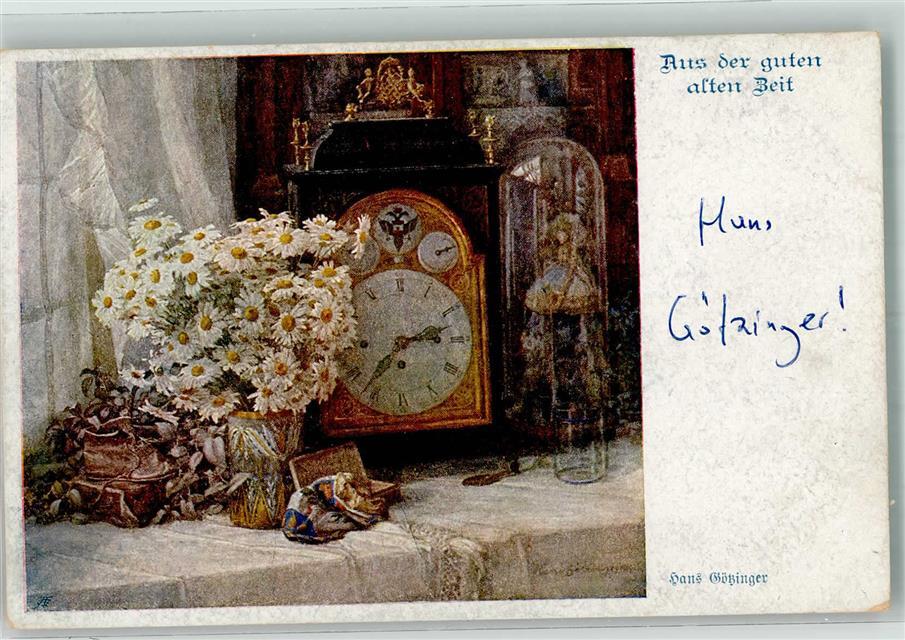
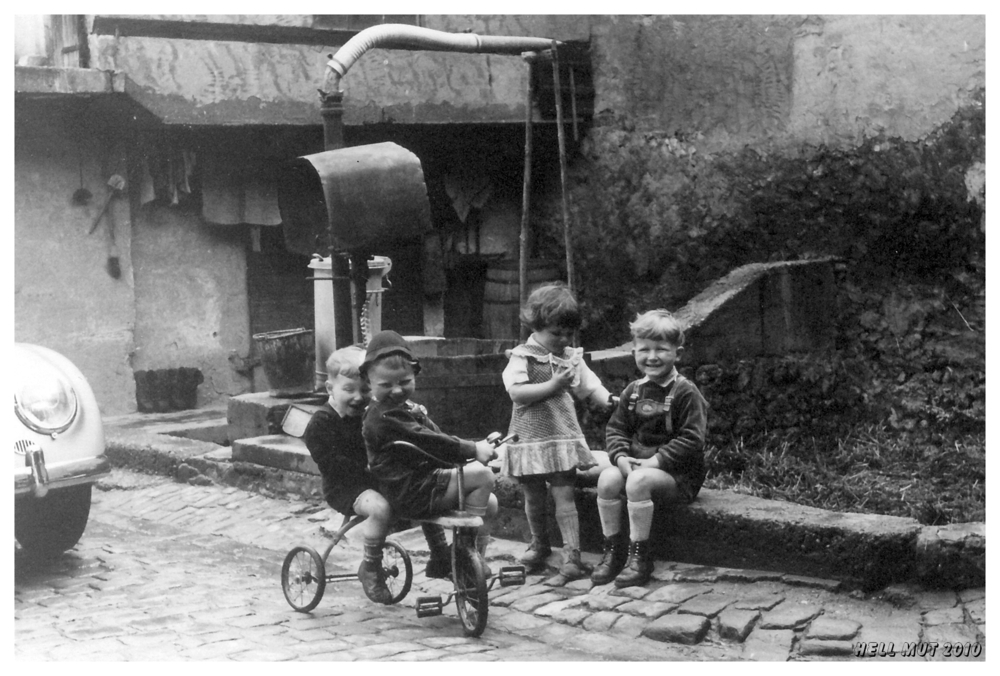
In der guten alten Zeit. What does it mean? It translates to "in the good old days." It’s a German phrase used to describe a past time, often idealized and remembered fondly.
Step 1: Understanding the Core Idea
Think of "in der guten alten Zeit" as a sentimental trip down memory lane. It's not just about the past, but a *positive* view of the past. People remember things as being simpler, better, or more enjoyable than they are today. It's nostalgia.
Step 2: Key Components
Several components create this feeling:
- Memory: The past is viewed through rose-tinted glasses.
- Idealization: Imperfections are often forgotten or minimized.
- Comparison: The past is compared favorably to the present.
- Sentiment: A strong emotional connection to the past is present.
Step 3: How it's Used
You'll hear "in der guten alten Zeit" used in different situations:
Example 1: Grandparents Talking
Imagine Oma (Grandma) saying: "Ach, in der guten alten Zeit, haben wir alle zusammen gesungen! Heute sitzen alle nur vor ihren Handys!" (Ah, in the good old days, we all sang together! Today, everyone just sits in front of their cell phones!). Here, she’s idealizing a time of community and connection compared to modern technology.
Example 2: Discussions About Food
Someone might say: "In der guten alten Zeit war das Essen viel natürlicher und gesünder!" (In the good old days, the food was much more natural and healthier!). This implies that modern food is inferior.
Example 3: Commentary on Social Values
"In der guten alten Zeit gab es mehr Respekt vor den Älteren." (In the good old days, there was more respect for elders.) This suggests a decline in social values.
Step 4: Nuances and Considerations
It's important to remember:
- Subjectivity: "In der guten alten Zeit" is very subjective. What one person considers "good" might not be the same for another.
- Accuracy: Idealization can distort reality. The past wasn't *always* better. There were challenges and problems too.
- Generational Differences: Different generations have different "guten alten Zeiten."
Step 5: Recognizing the Tone
The phrase often carries a specific tone:
- Nostalgic: A yearning for the past.
- Critical: Implies dissatisfaction with the present.
- Romantic: An idealized view of a bygone era.
Step 6: Beyond Nostalgia - Practical Use
While often sentimental, understanding "in der guten alten Zeit" helps you:
- Understand Perspective: See how different generations view the world.
- Analyze Arguments: Recognize when arguments are based on idealized views of the past.
- Appreciate History: Acknowledge the past, but also its complexities.
Step 7: Common Mistakes
Avoid these common mistakes:
- Taking it Literally: Don't assume everything was *actually* better.
- Dismissing it Completely: Even if idealized, these feelings are real and important to understand.
- Using it Inappropriately: Be mindful of the context and avoid using it in a way that is insensitive or dismissive of real problems in the past. For example, avoid using it to gloss over historical injustices.
In short, "in der guten alten Zeit" is more than just a phrase. It's a window into how people remember, idealize, and compare the past with the present. Understanding it helps you appreciate different perspectives and think critically about history and nostalgia. Remember, the past is complex, and our memories of it are often filtered through our own experiences and emotions.