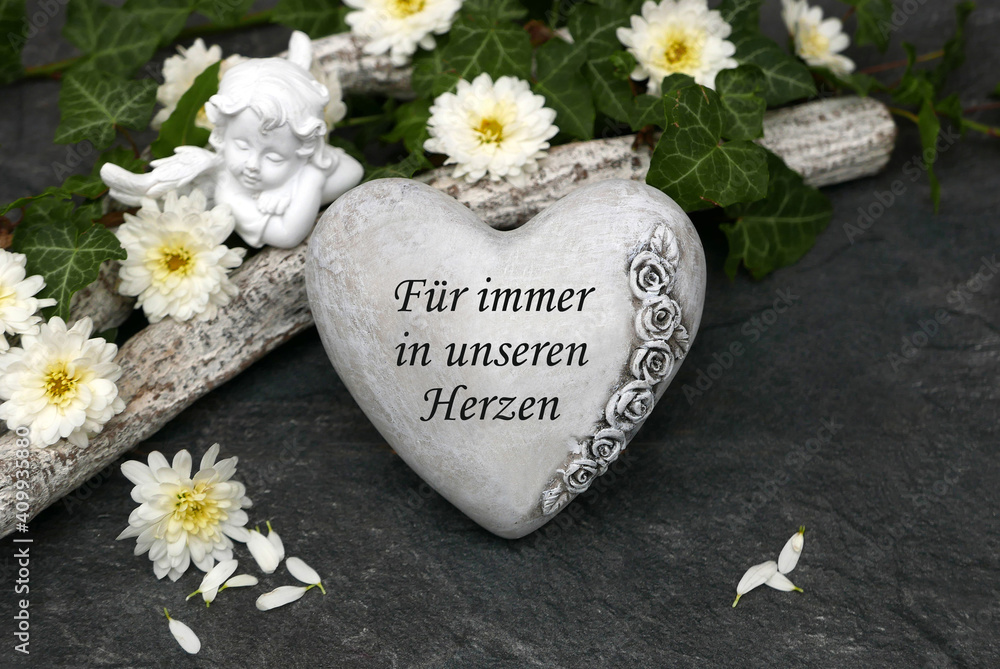
In Unseren Oder Unserem Herzen
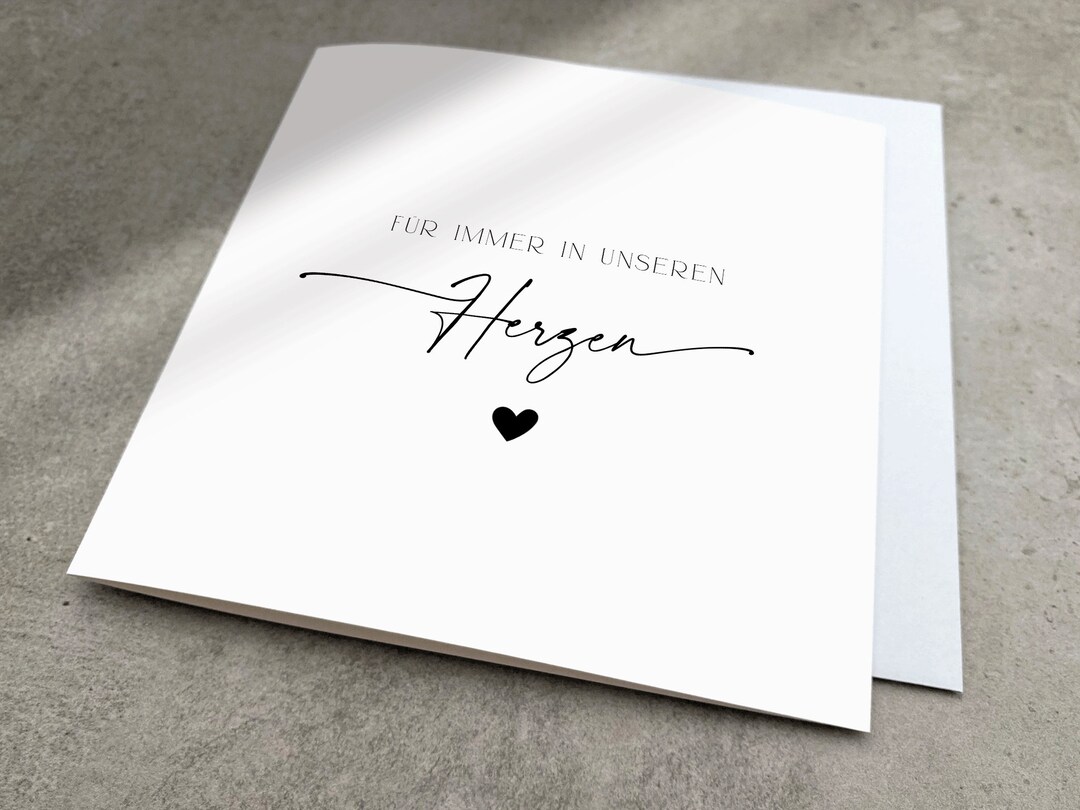
Let's clarify the difference between "In unserem Herzen" and "In unseren Herzen." The core distinction lies in whether you're talking about one shared heart or multiple individual hearts.
"In unserem Herzen" translates to "In our heart" (singular). This implies a shared feeling, a unified sentiment, or a common space of emotion. Think of a collective love or a shared memory.
Example: "Die Liebe zur Musik ist tief in unserem Herzen verankert." (The love for music is deeply anchored in our heart.) Here, the group shares a single, unified love for music.
"In unseren Herzen" translates to "In our hearts" (plural). This signifies that each person in a group possesses the feeling, memory, or idea individually within their own heart. There's still a commonality, but it exists separately in each person.
Example: "Die Erinnerung an den Urlaub bleibt in unseren Herzen." (The memory of the vacation remains in our hearts.) Each person individually cherishes the memory of the vacation within their own heart.
To understand it simply: Think of a single shared house versus separate houses in the same neighborhood. "In unserem Herzen" is like living in the same house, sharing everything. "In unseren Herzen" is like living in separate houses, all connected in a neighborhood.
Another way to think about it is through singular vs. plural ownership. Unser (without the -en) is possessive singular; unseren (with the -en) is often possessive plural.
Let's explore more examples.
"In unserem Herzen" Examples:
"Der Wunsch nach Frieden ist in unserem Herzen." (The desire for peace is in our heart.) - A collective, unified desire.
"Die Hoffnung stirbt zuletzt in unserem Herzen." (Hope dies last in our heart.) - Shared hope among the group.
"In unseren Herzen" Examples:
"Ihre Worte haben einen tiefen Eindruck in unseren Herzen hinterlassen." (Her words left a deep impression in our hearts.) - Each individual was affected.
"Die Freude über den Sieg ist in unseren Herzen." (The joy about the victory is in our hearts.) - Each individual feels joy.
So, how can you use this knowledge?
Pay attention to the context! When writing or speaking in German, consciously consider whether you want to convey a shared, unified feeling ("In unserem Herzen") or individual feelings held by multiple people ("In unseren Herzen"). The subtle difference can significantly alter the meaning.
For example, when writing a thank you note from a group, you could say: "In unserem Herzen sind wir euch dankbar." (In our heart, we are thankful to you.) – emphasizing the unified group gratitude. Alternatively, you could write: "In unseren Herzen werden wir eure Gastfreundschaft nie vergessen." (In our hearts, we will never forget your hospitality.) – highlighting the individual lasting impression of the hospitality.
Ultimately, understanding the nuances between "In unserem Herzen" and "In unseren Herzen" allows for more precise and meaningful communication in German. By consciously choosing the correct phrase, you can effectively convey the intended sentiment and resonate with your audience.