Interpretation Nachts Schlafen Die Ratten Doch
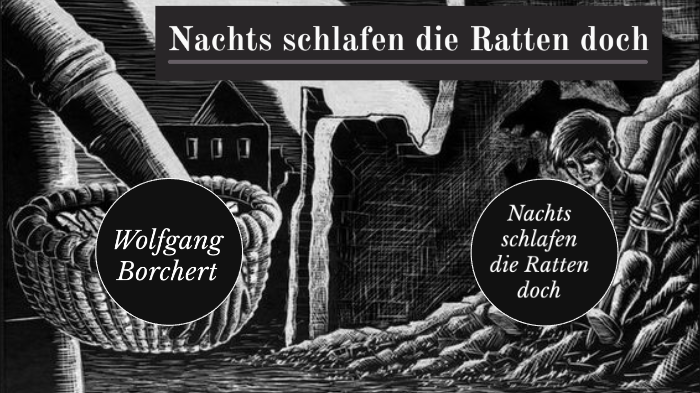
"Nachts schlafen die Ratten doch" is a famous short story by Wolfgang Borchert. It's a post-war German story. The story focuses on a young boy guarding a pile of rubble. To interpret this story, we need to understand its key elements: the setting, the characters, the plot, and the themes.
Setting the Scene
The story takes place in post-World War II Germany. Think of a city bombed and destroyed. Rubble, or broken bricks and stones, is everywhere. This setting is vital. It represents the devastation of war. It also symbolizes the loss of innocence and hope. Imagine a playground turned into a wasteland. That's the feeling Borchert creates.
Characters: A Glimmer of Hope
The main character is Jürgen, a young boy. He's guarding a pile of rubble. He's dirty and likely hasn't had much to eat. An older man, simply called "der Mann" (the man), approaches him. These two characters are crucial. Jürgen represents the children affected by the war. The man represents the older generation. He tries to understand and help.
Plot: A Simple Conversation
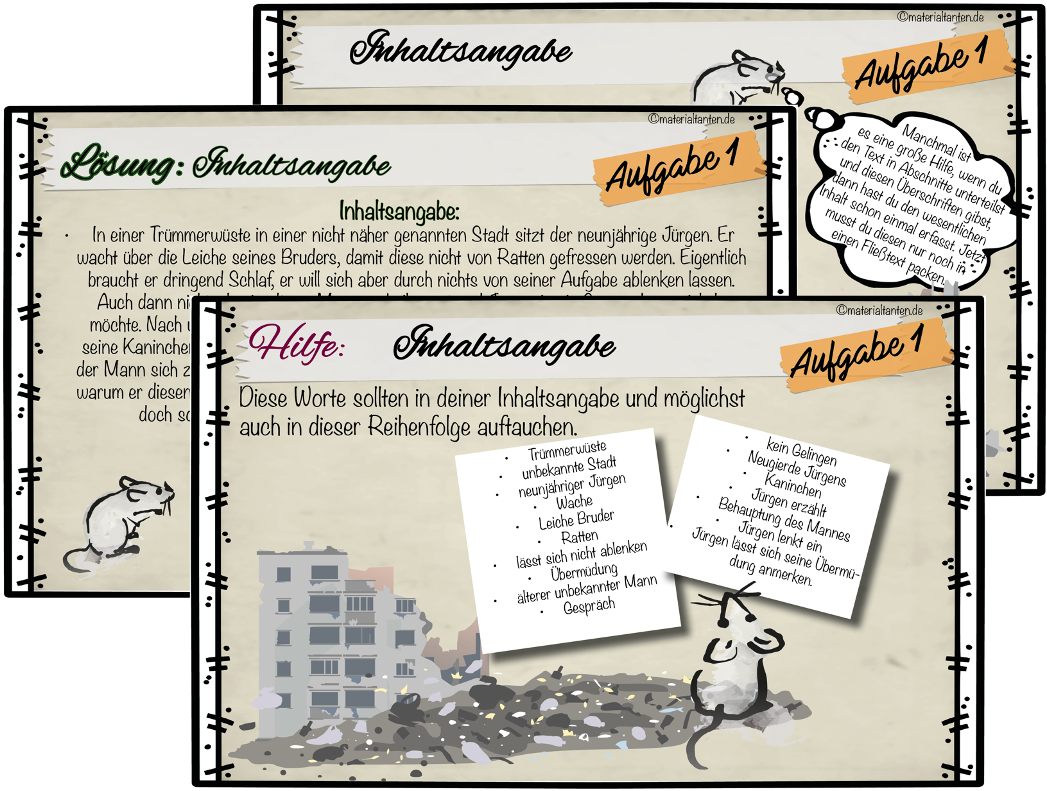
The plot is simple. The man sees Jürgen guarding the rubble. He asks why. Jürgen explains he's protecting his dead brother. The rubble covers his brother's body. Jürgen is worried about rats. He believes rats might eat his brother. The man tries to comfort him. He tells Jürgen that "Nachts schlafen die Ratten doch" – "At night, the rats do sleep." This line is the story's title and its core message. The man's words offer a small comfort. But they also raise questions about truth and lies in a devastated world.
Themes: Loss, Hope, and Comfort
The story explores several important themes. Loss is a major one. Jürgen has lost his brother. He has lost his home. He has lost his innocence. The war has taken everything. Hope is another key theme. The man's attempt to comfort Jürgen shows a glimmer of hope. Even in the face of immense loss, kindness can still exist. Finally, the nature of comfort and truth is explored. Is it right for the man to lie to Jürgen? Is it better to offer false comfort than to face harsh reality?
Interpreting the Title
The title, "Nachts schlafen die Ratten doch," is ironic. Rats often represent decay and death. The phrase suggests even decay takes a break. But the context is crucial. The man says this to comfort Jürgen. He wants to ease the boy's worry. However, we, as readers, know rats don't *really* only sleep at night. This highlights the complexities of comfort. Sometimes a small lie can be more helpful than a harsh truth.
Symbolism: Beyond the Surface
The rubble itself is symbolic. It represents the physical destruction of war. It also symbolizes the emotional and psychological damage. The rats symbolize the scavengers of war. They feed on the dead and the destroyed. Jürgen’s act of guarding the rubble shows his loyalty and love for his brother. Even in death, he tries to protect him.
The Man's Role: A Voice of Reason?
The man represents the older generation grappling with the aftermath of the war. He feels responsible. He tries to offer comfort. His words are simple. But they carry weight. He is not offering a solution. He is offering a moment of peace. He is acknowledging Jürgen's pain.
Modern Relevance
"Nachts schlafen die Ratten doch" remains relevant today. It reminds us of the devastating effects of war. It also shows us the importance of compassion and empathy. Even small acts of kindness can make a difference in the face of tragedy. The story highlights the enduring power of the human spirit, even when faced with unimaginable loss.
In short, interpreting "Nachts schlafen die Ratten doch" involves understanding the historical context, recognizing the symbolism, and reflecting on the story's powerful themes. It's a story about loss, hope, and the complicated nature of comfort in a world scarred by war.