Ist Das Wort Ist Ein Verb
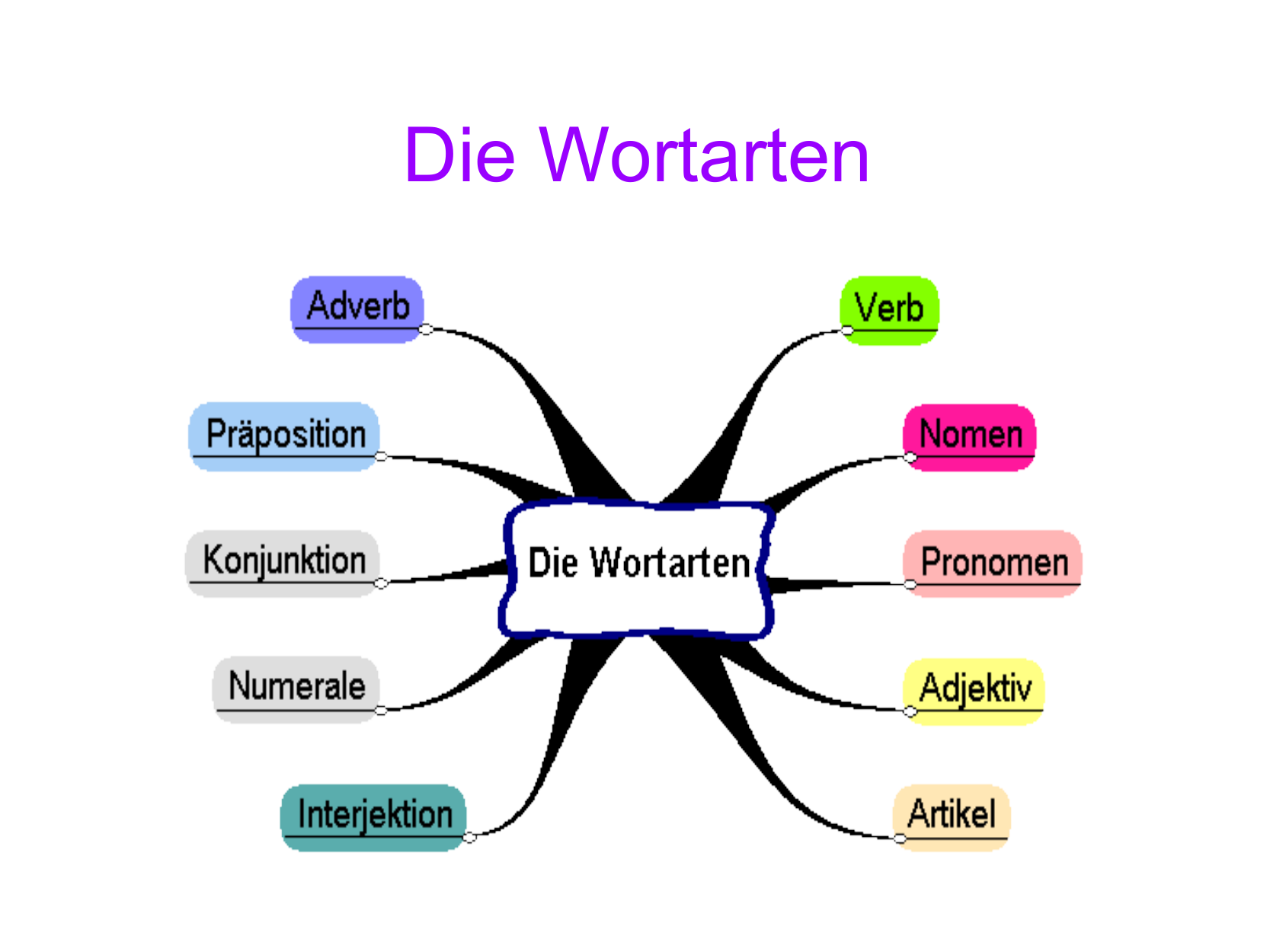
Ist das Wort ein Verb? This is a fundamental question when learning German grammar. Let's break down what a Verb is and how to identify it.
The most important point: a Verb is a doing word or a state of being. It describes an action, occurrence, or state. Think of it as the engine that drives the sentence.
Verbs are essential because they tell you what is happening. Without a Verb, you can't have a complete sentence. They are the core of the grammatical structure.
Let's look at some examples. "Laufen" (to run) is a Verb. "Essen" (to eat) is another Verb. "Sein" (to be) is also a Verb, but it describes a state of being.
How to Identify Verbs:
First, ask yourself: what is the action in the sentence? What is happening? The word that answers this question is likely a Verb. For example, in the sentence "Der Hund bellt" (The dog barks), "bellt" (barks) is the action, so it's the Verb.
Second, consider the infinitive form. In German, Verbs often have an infinitive form ending in "-en" or "-n." Examples include "machen" (to make), "gehen" (to go), and "sein" (to be).
Third, Verbs change their form depending on the subject. This is called conjugation. For example, "Ich spiele" (I play), "Du spielst" (You play), "Er spielt" (He plays). The word "spielen" (to play) changes depending on who is doing the playing.
Regular vs. Irregular Verbs:
German Verbs are divided into regular (weak) and irregular (strong) Verbs. Regular Verbs follow predictable conjugation patterns. "Machen" (to make) is a regular Verb.
Irregular Verbs have unpredictable changes, often in the stem vowel. "Essen" (to eat) is an irregular Verb. The stem vowel changes from "e" to "i" in some forms (e.g., "Ich esse," "Du isst"). Learning irregular Verbs requires memorization.
Practical Applications:
Understanding Verbs is crucial for building correct German sentences. When you write or speak, always make sure you have a clear and correct Verb.
Knowing how to conjugate Verbs allows you to express yourself accurately. If you want to say "I am going," you need to know the correct form of the Verb "gehen" (to go), which is "Ich gehe."
Recognizing Verbs will also help you understand what you read and hear. When reading a German text, identifying the Verbs can help you grasp the meaning of the sentences. It allows you to follow the actions and events being described.
By mastering Verbs, you'll significantly improve your German language skills. So, keep practicing and paying attention to the Verbs you encounter. They are the key to unlocking fluency and accuracy in German.
.jpg)