List Of All Tenses In English
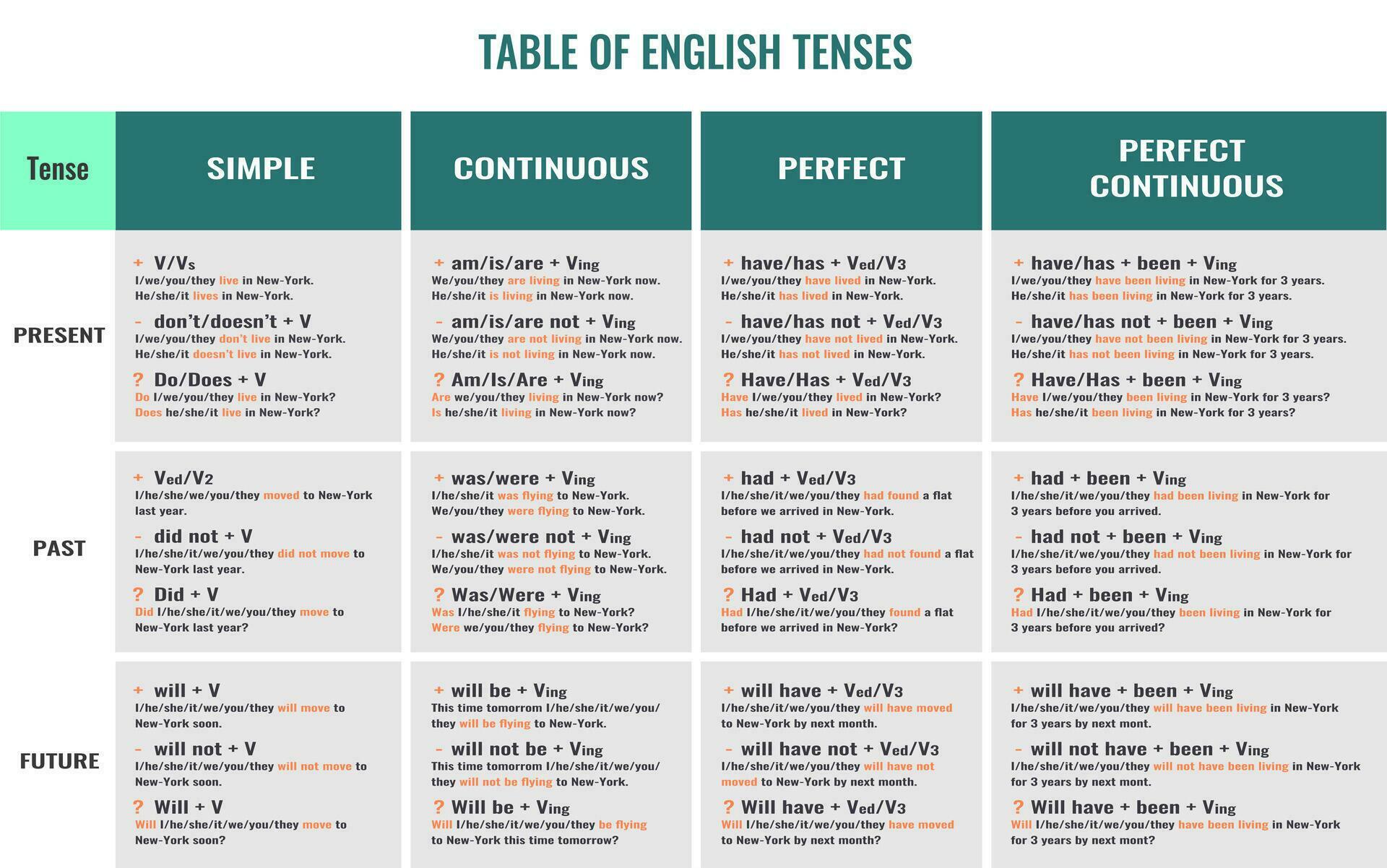
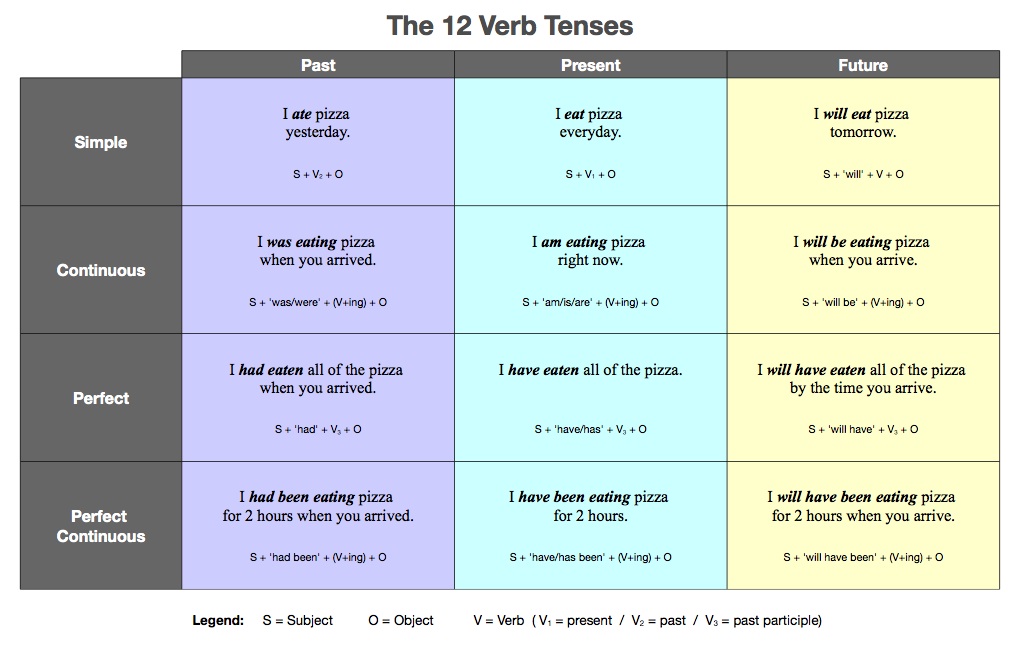
Let's tackle English tenses! This article breaks down all the tenses in English in an easy-to-understand way. Think of tenses as the different forms a verb takes to show *when* an action happened. There are three main times: past, present, and future. Each of these then has simple, continuous, perfect, and perfect continuous forms. That might sound like a lot, but we'll go through it step-by-step.
Present Tense
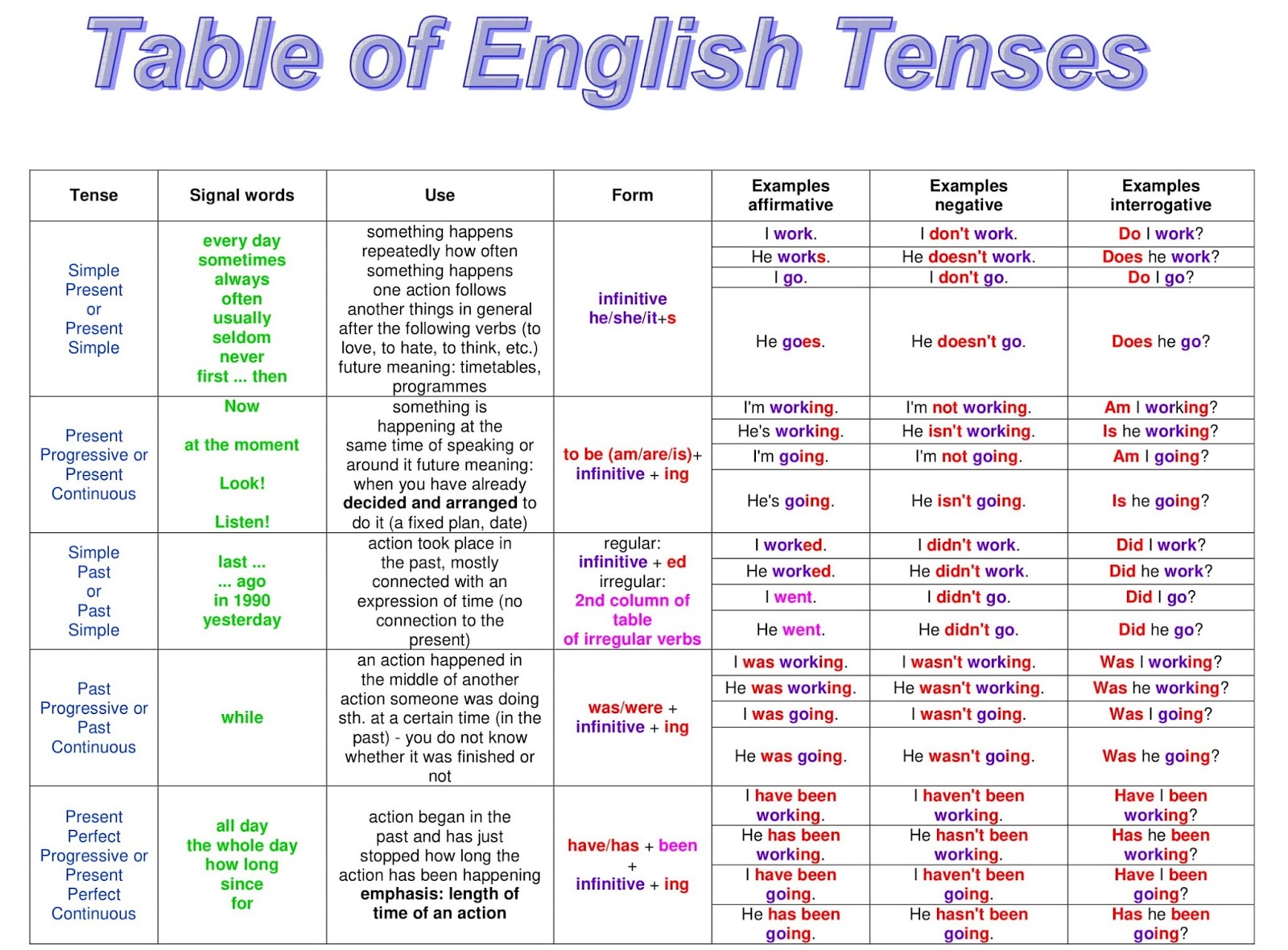
The present tense talks about actions happening *now*, or actions that happen regularly.
- Simple Present: For habits, facts, and general truths.
Example: I eat breakfast every morning. The sun rises in the east.
- Present Continuous: For actions happening *right now*, or around now.
Example: I am eating breakfast. She is working on a project.
- Present Perfect: For actions that started in the past and continue to the present, or actions completed recently.
Example: I have lived here for five years. He has finished his homework.
- Present Perfect Continuous: For actions that started in the past and are still continuing. Often emphasizes the duration.
Example: I have been studying English for three months. She has been working all day.
Past Tense
The past tense talks about actions that happened *before now*.
- Simple Past: For completed actions in the past.
Example: I ate breakfast this morning. She went to the store yesterday.
- Past Continuous: For actions that were in progress at a specific time in the past.
Example: I was eating breakfast when the phone rang. They were playing soccer at 3 PM.
- Past Perfect: For actions that were completed *before* another action in the past.
Example: I had eaten breakfast before I went to work. She had finished her report before the meeting started.
- Past Perfect Continuous: For actions that had been in progress for a period of time *before* another action in the past.
Example: I had been waiting for an hour before the bus arrived. They had been practicing for months before the competition.
Future Tense
The future tense talks about actions that will happen *later*.
- Simple Future: For actions that will happen in the future. Often uses "will" or "going to."
Example: I will eat breakfast tomorrow. She is going to travel next week.
- Future Continuous: For actions that will be in progress at a specific time in the future.
Example: I will be eating breakfast at 8 AM tomorrow. They will be playing at the park this afternoon.
- Future Perfect: For actions that will be completed before a specific time in the future.
Example: I will have eaten breakfast by the time you arrive. She will have finished her studies by next year.
- Future Perfect Continuous: For actions that will have been in progress for a period of time *before* a specific time in the future.
Example: I will have been working here for five years by next month. They will have been studying for hours before the exam starts.
To recap, here is a list of all 12 tenses:
- Simple Present
- Present Continuous
- Present Perfect
- Present Perfect Continuous
- Simple Past
- Past Continuous
- Past Perfect
- Past Perfect Continuous
- Simple Future
- Future Continuous
- Future Perfect
- Future Perfect Continuous
Understanding and using tenses correctly is crucial for clear communication in English. Practice using these tenses in your writing and speaking. With practice, you'll master them in no time! Don't be afraid to make mistakes - it's part of the learning process. Good luck!