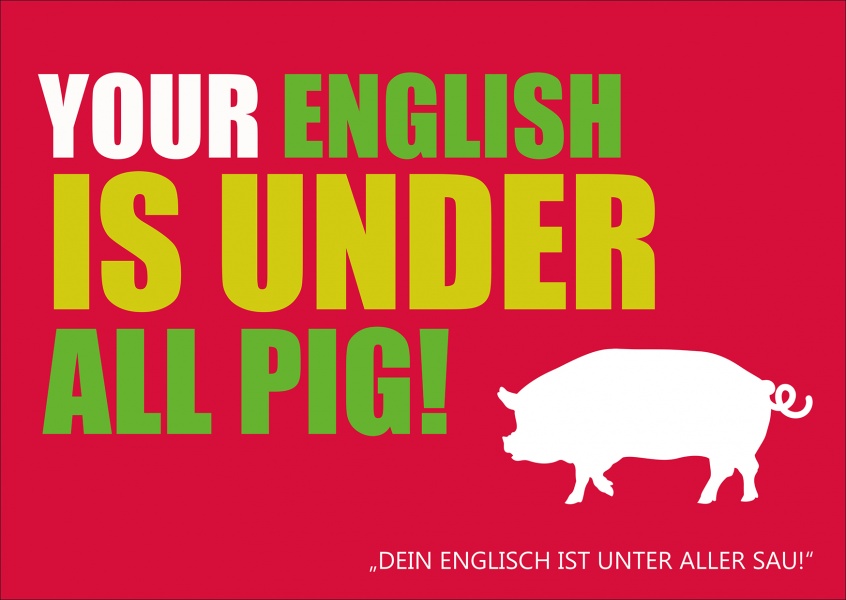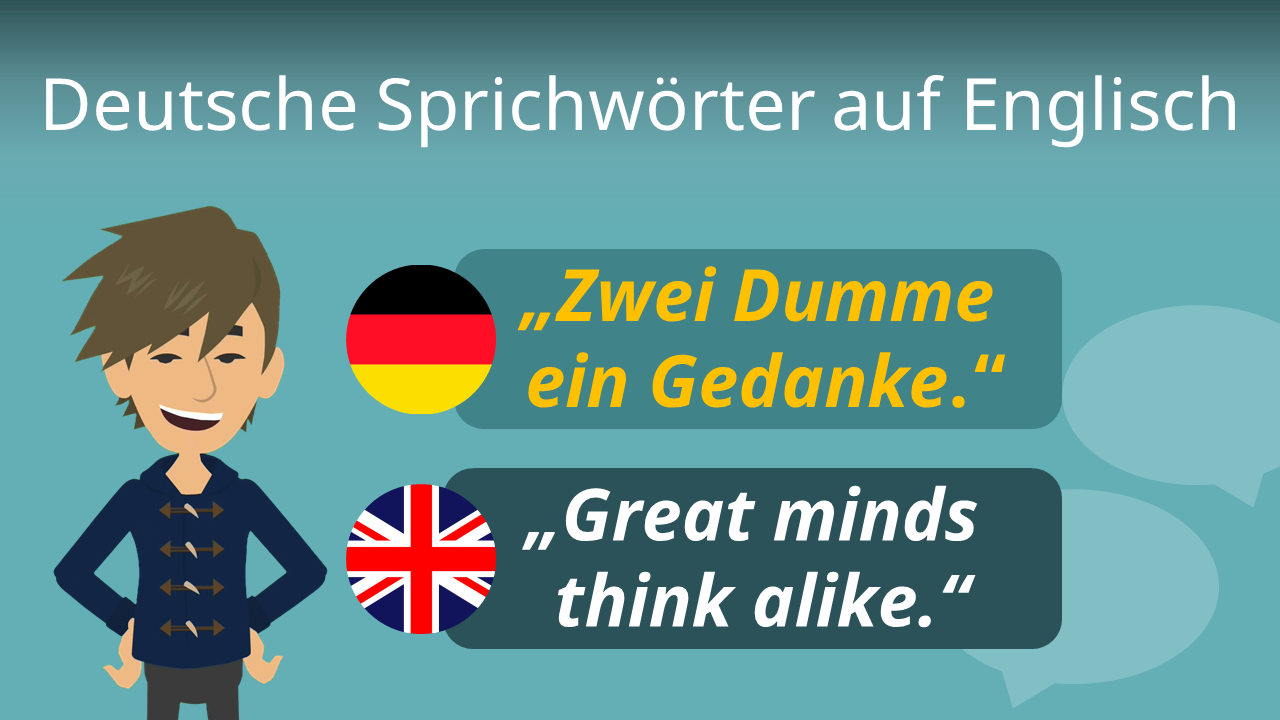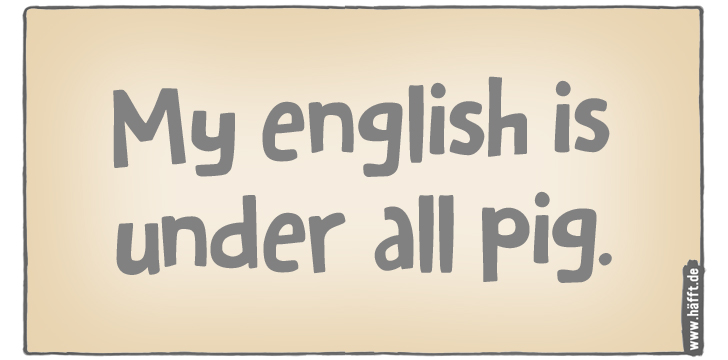
Lustige Deutsche Sprichwörter Auf Englisch
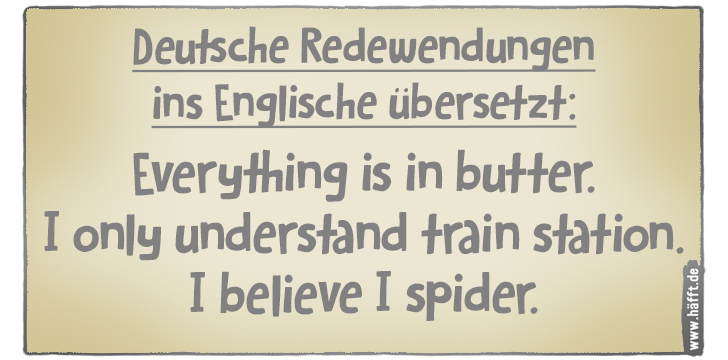
Lustige Deutsche Sprichwörter – Funny German Proverbs! We’re diving into the world of German sayings that, when translated literally, sound absolutely hilarious in English. Think of them as little windows into the German mindset, spiced with a generous helping of absurdity. Our goal? To understand these proverbs, laugh a little, and maybe even add a few to your own vocabulary.
Step 1: What are Sprichwörter Anyway?
Sprichwörter are proverbs – short, popular sayings that express a common truth or belief. They're like little nuggets of wisdom passed down through generations. The "lustig" part just means "funny"! So, we're looking at funny nuggets of German wisdom.
Step 2: Literal Translation is Key
The humor comes from the literal translation. We're not aiming for perfect English equivalents. We want the awkward, funny, and often nonsensical results that appear when you translate word-for-word.
Step 3: Examples, Bitte! (Please!)
Let’s explore some classic examples.
Sprichwort: "Ich glaube, mein Schwein pfeift!"
Literal Translation: "I think my pig whistles!"
Meaning: This expresses disbelief or astonishment. It's like saying "Well, I'll be!" or "I'll eat my hat!" The image of a whistling pig is inherently funny.
Sprichwort: "Da steppt der Bär!"
Literal Translation: "There the bear dances!"
Meaning: This means that something is really happening, that there's a lively atmosphere, or that a party is in full swing. Imagine a bear doing the tap dance – very amusing!
Sprichwort: "Das ist nicht mein Bier!"
Literal Translation: "That's not my beer!"
Meaning: This is a way of saying "That's not my problem" or "That's not my business." It implies a lack of interest or responsibility. The image of someone refusing a beer (especially in Germany!) adds a touch of humor.
Sprichwort: "Tomaten auf den Augen haben"
Literal Translation: "To have tomatoes on your eyes"
Meaning: To be oblivious or not to see something obvious. It’s like saying someone is blind to the truth. The picture of someone walking around with tomatoes plastered on their face is pretty funny.
Sprichwort: "Den Nagel auf den Kopf treffen"
Literal Translation: "To hit the nail on the head"
Meaning: This is actually quite similar to the English equivalent! It means to say or do something exactly right. However, the visual of hammering a nail perfectly straight is still a strong and memorable image.
Step 4: Why are they Funny?
The humor arises from the unexpected imagery. Many of these proverbs conjure up bizarre and comical scenes. The contrast between the literal image and the intended meaning is what makes them so entertaining. They offer a glimpse into a different way of thinking and expressing ideas.
Step 5: Cultural Context Matters
Understanding the cultural context helps to appreciate the humor even more. These proverbs reflect German history, customs, and humor. They are a reminder that language is deeply intertwined with culture.
Step 6: Practice Makes Perfect
Try translating some German proverbs yourself! Use an online translator, but focus on the literal translation first. Then, try to figure out the intended meaning. The more you practice, the better you'll become at understanding and appreciating these funny German sayings.
Step 7: Using them in Conversation
While using these proverbs directly in English conversation might sound odd, they can be great conversation starters! You can explain the German origin and the literal meaning. People will appreciate the humor and the glimpse into another culture.
Step 8: Beyond the Laughs
While the humor is appealing, studying these proverbs is also a great way to improve your German language skills. You'll learn new vocabulary, practice translation, and gain a deeper understanding of German culture.
So, go forth and explore the world of lustige deutsche Sprichwörter! Have fun, learn something new, and enjoy the absurdity of it all!