Past Tense Of To Be In Spanish
Let's tackle how to say "to be" in the past tense in Spanish. It might seem daunting, but we'll break it down into easy pieces.
Ser and Estar: Two Ways to Be
First things first: Spanish has two verbs for "to be": ser and estar. They're not interchangeable! They're used in different situations.
Ser is for permanent or inherent qualities. Think of it for descriptions, origin, characteristics, nationality, and profession. For example: I am tall. He is a doctor.
Estar is for temporary states, feelings, locations, and conditions. Think of it for how you feel, where you are, or something's temporary state. For example: I am tired. The book is on the table.
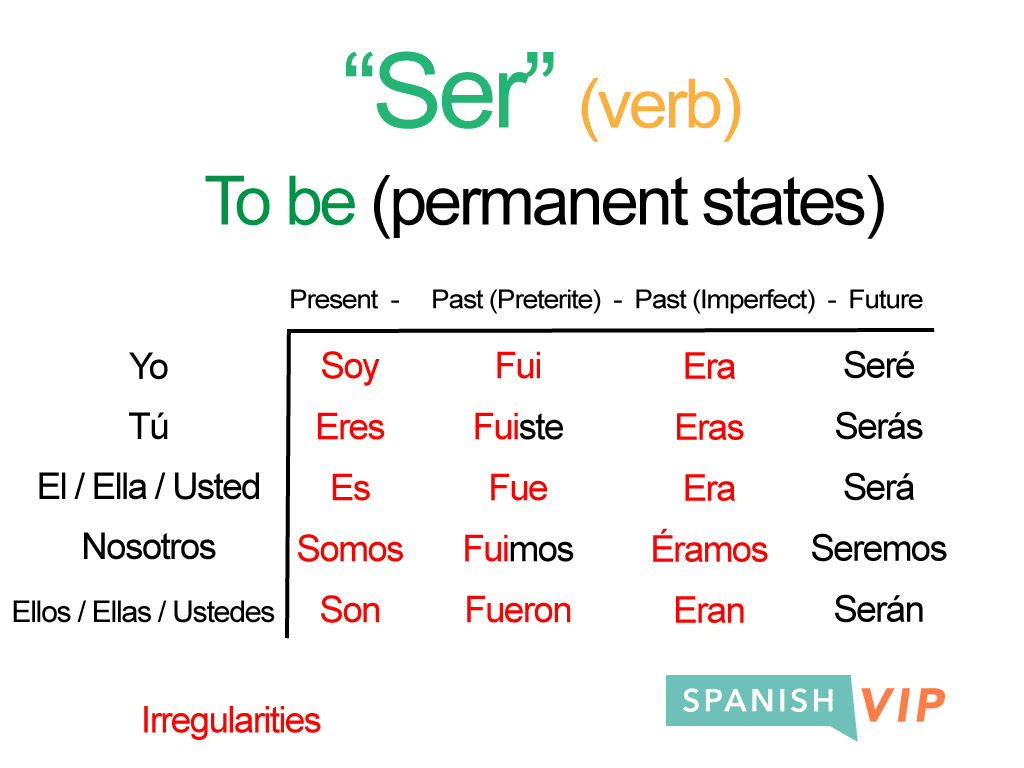
The Past Tense of Ser: Era and Eran
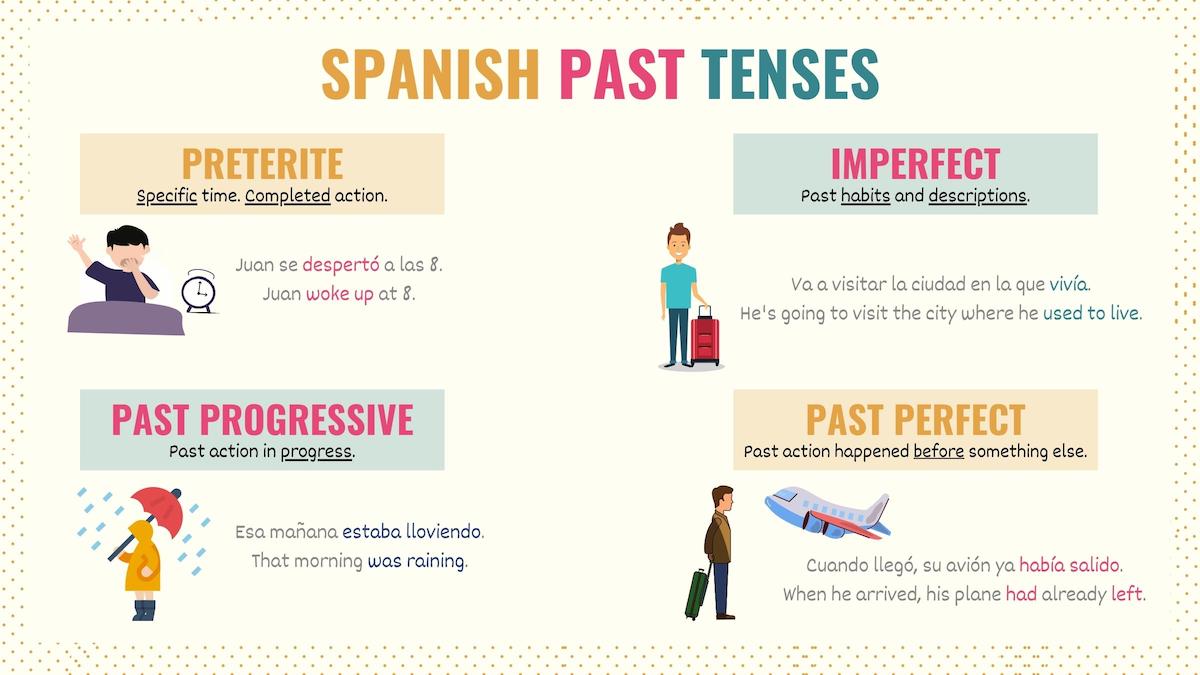
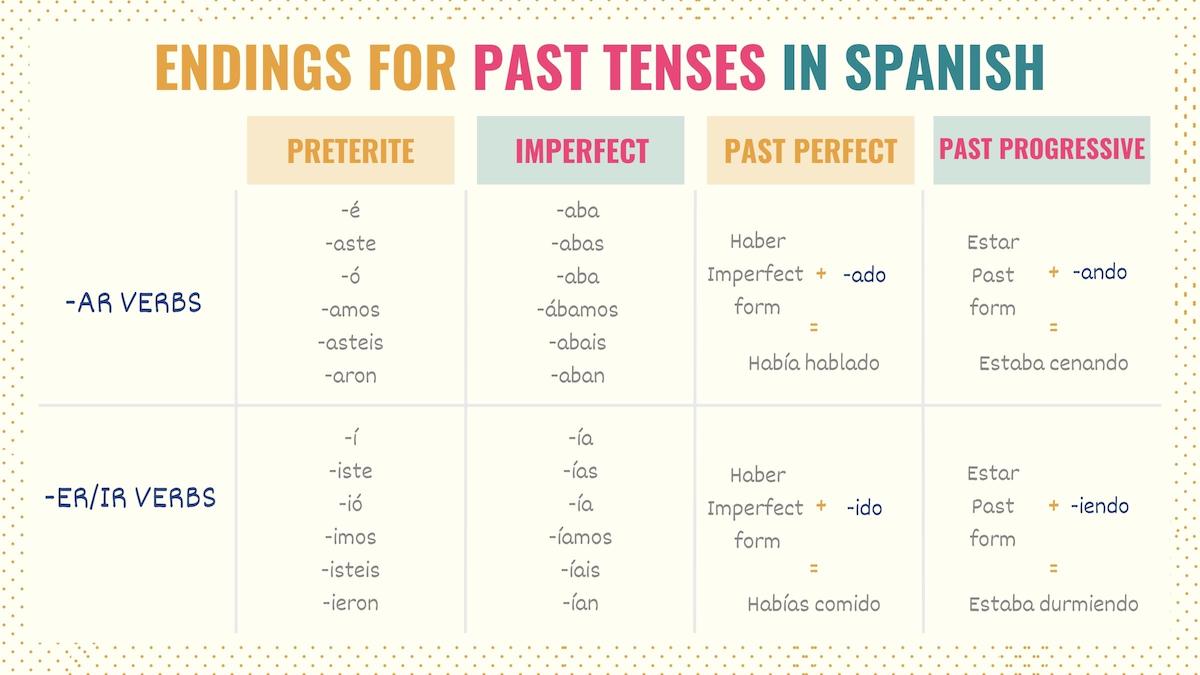
The imperfect past tense of ser is used to describe what used to be or what was like in the past. The most common forms you'll encounter are era (for "I was," "he/she/it was," and "you (formal) were") and eran (for "they were" and "you (plural) were").
Let's look at some examples:
- Yo era un niño. (I was a child.)
- Ella era muy simpática. (She was very nice.)
- Usted era el director. (You were the director.) (Formal)
- Ellos eran estudiantes. (They were students.)
- Ustedes eran mis amigos. (You (plural) were my friends.)
Notice how we're describing states of being that lasted for a period of time. Being a child, being nice, being the director, being students, and being friends are all things that stretch over time, not just a single point in time.
The Past Tense of Estar: Estaba and Estaban
The imperfect past tense of estar also uses estaba and estaban. Estaba means "I was," "he/she/it was," or "you (formal) were" (in a temporary state/location). Estaban means "they were" or "you (plural) were" (in a temporary state/location).
Here are some examples using estar:
- Yo estaba cansado. (I was tired.)
- Él estaba en la casa. (He was at the house.)
- Usted estaba enfermo. (You were sick.) (Formal)
- Ellas estaban felices. (They were happy.)
- Ustedes estaban en la fiesta. (You (plural) were at the party.)
Again, these are temporary states or locations. Being tired, being at the house, being sick, being happy, and being at the party are all things that don't last forever. They are temporary and that´s why we use *Estar*.
Recap and Key Takeaways
So, remember these key points:
- Spanish uses ser and estar for "to be," each with different uses.
- Ser is for permanent qualities and characteristics.
- Estar is for temporary states, conditions, and locations.
- The imperfect past tense uses era and eran for ser, depending on the subject.
- The imperfect past tense uses estaba and estaban for estar, depending on the subject.
Practice these forms with different sentences, and you'll be well on your way to mastering the past tense of "to be" in Spanish! Don't be afraid to make mistakes; that's how you learn!