Pollock Lavender Mist Number 1

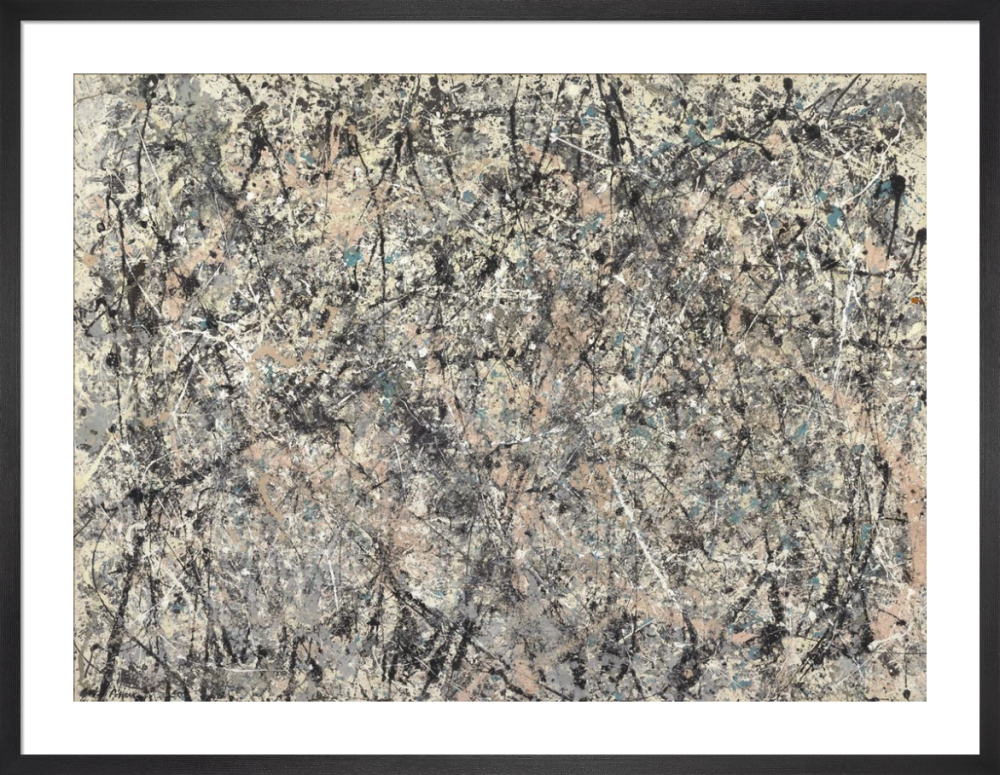
Pollock's Lavender Mist: Number 1, 1950 is an iconic example of abstract expressionism. It's a large painting made by the American artist Jackson Pollock using a technique called drip painting.
What is Drip Painting?
Imagine spilling paint! Drip painting is kind of like that, but controlled. Instead of using a brush to apply paint neatly, Pollock dripped, flicked, and poured paint onto the canvas. He didn't touch the canvas with the brush. Think of it like this: you're decorating a cake, but instead of using a spatula to spread frosting, you drizzle melted chocolate over it from a spoon. The result is a free-flowing, dynamic design.
Abstract Expressionism Explained
Abstract expressionism is a style of art that's all about emotion and personal expression. Forget trying to paint things exactly as they look in real life. Instead, artists focused on feelings and ideas, using color, line, and texture to communicate. It's like writing a song that expresses sadness – you don't need to describe a sad person perfectly, but the music should evoke the feeling of sadness.
Breaking Down Lavender Mist
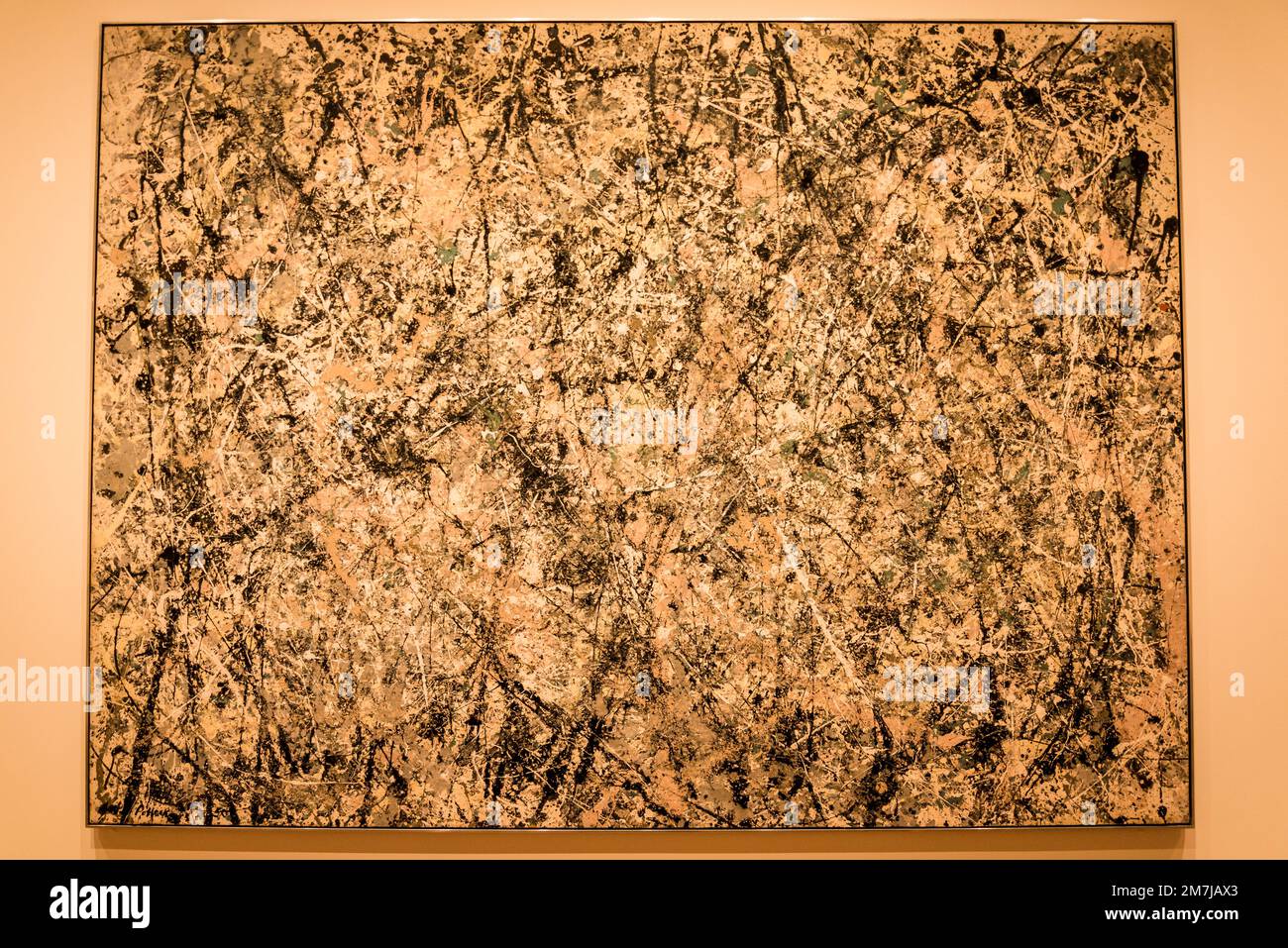
Lavender Mist isn't just lavender! It's a complex web of colors: black, white, blue, and, yes, lavender. Pollock built up layer upon layer of paint, creating a dense, interwoven texture. This layering gives the painting depth and makes it visually engaging. Imagine looking at a tangled ball of yarn – each strand is separate, but together they create a complex form.
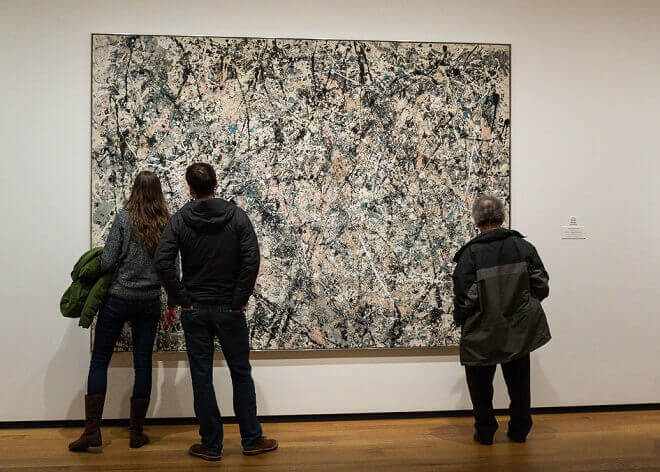
The painting is huge – almost 9 by 10 feet! This size is important. It surrounds the viewer, making them feel like they're stepping into the painting. It's not something you just glance at; it demands your attention. Think of it like seeing a movie on a giant IMAX screen versus watching it on your phone. The size creates a totally different experience.
Why is it called Lavender Mist?
The name "Lavender Mist" is suggestive. It hints at the overall feeling of the painting: a hazy, atmospheric quality. The lavender hues, although not the only color, contribute to this sense of lightness and ethereal beauty. It's like naming a perfume "Ocean Breeze" – the name gives you an idea of the scent and feeling, even before you smell it.
Pollock's Process
Pollock often worked on his canvases placed on the floor. He would walk around them, dripping paint from all sides. This allowed him to be physically involved in the creation of the artwork. He wasn't just applying paint; he was performing a kind of dance with the canvas. Imagine a chef in a busy kitchen, constantly moving around, adding ingredients and adjusting the dish.
Some critics see the drip painting technique as a way for Pollock to bypass conscious control and tap into his subconscious. By letting the paint flow freely, he was supposedly expressing his inner feelings and emotions directly onto the canvas. It's like improvising a jazz solo – the musician is responding to the moment and letting their feelings guide their playing.
More than Just Splatters
It's easy to dismiss Lavender Mist as just random splatters of paint. However, a closer look reveals a carefully constructed composition. The lines, colors, and textures are all balanced in a way that creates visual harmony. There is chaos but also order. Think of it like a garden – it might look wild and natural, but a gardener has carefully planned the layout and chosen the plants.
Lavender Mist, along with Pollock's other drip paintings, revolutionized the art world. It challenged traditional ideas about what art should be and how it should be made. It opened the door for other artists to experiment with new techniques and express themselves in new ways. It’s like the invention of the electric guitar - it changed the sound of music forever, and allowed for new possibilities.
Where to See It
You can view Pollock's Lavender Mist: Number 1, 1950 at the National Gallery of Art in Washington, D.C. Seeing it in person is the best way to appreciate its scale and texture. Being in front of the actual painting can be quite impactful. It's like reading a book versus seeing the movie adaptation on the big screen; the immersive experience can be very different.