Present Perfect Continuous E Present Perfect
Let's learn about two similar English tenses: the Present Perfect Continuous and the Present Perfect. They both connect the past to the present, but they do so in slightly different ways.
Present Perfect Continuous Explained
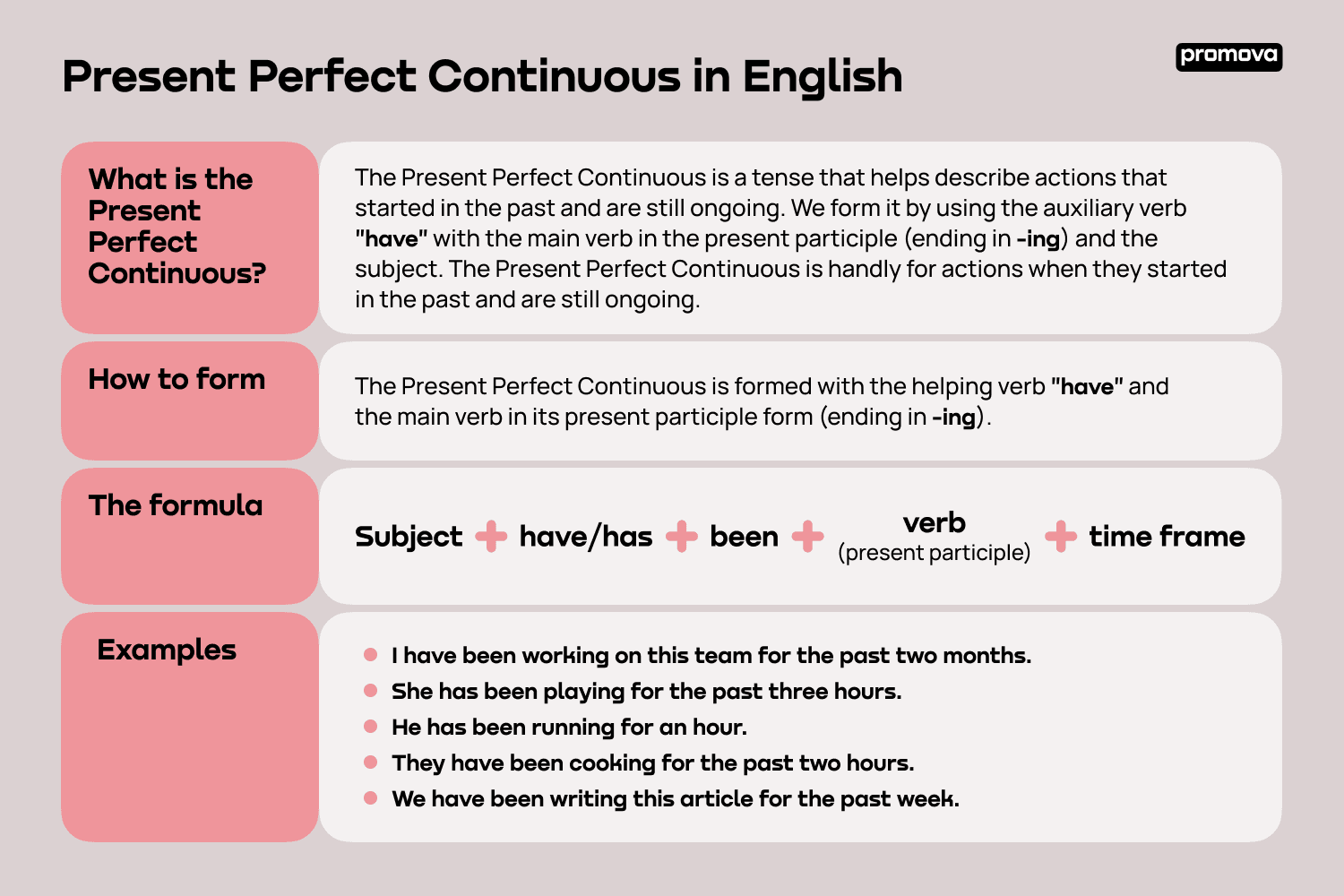
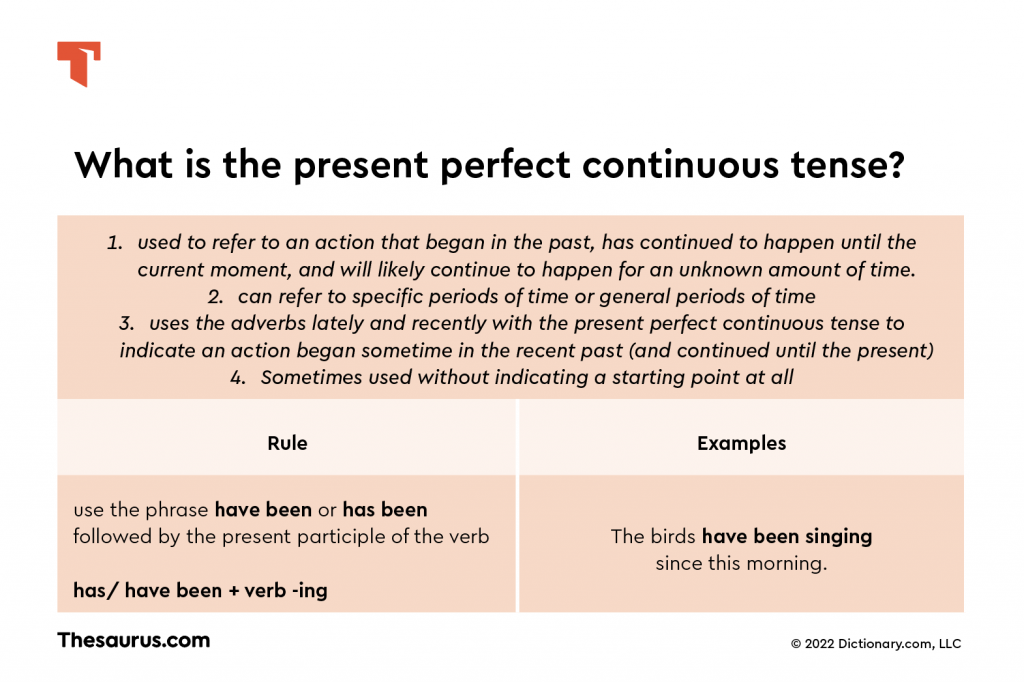
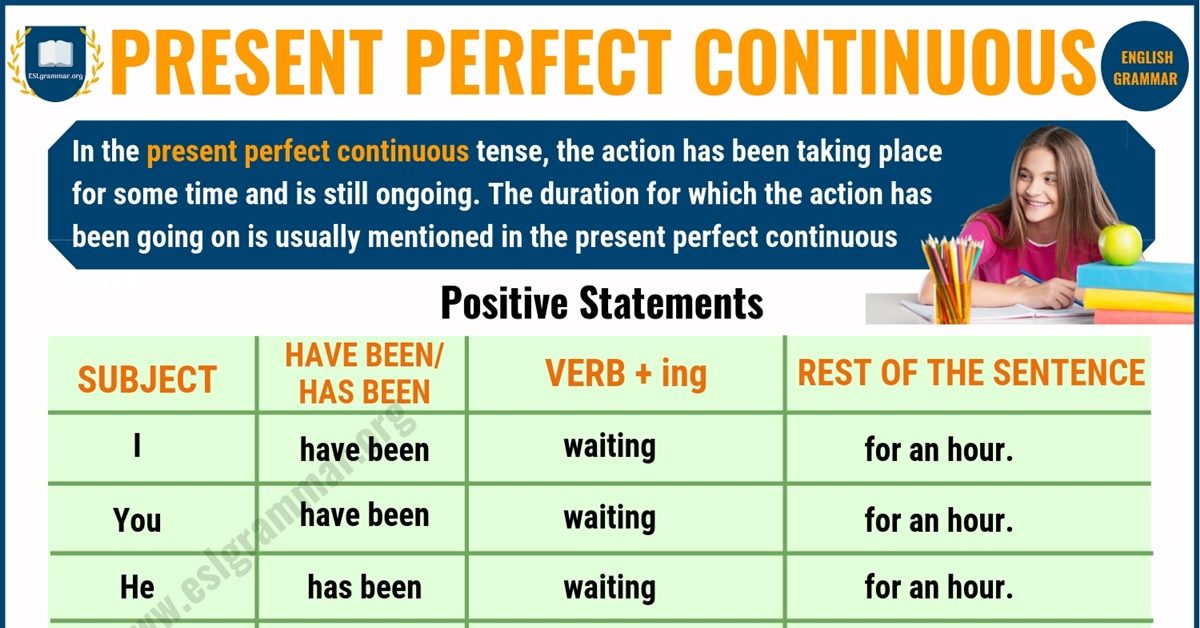
The Present Perfect Continuous describes an action that started in the past, has continued until now, and is still possibly happening. It emphasizes the duration or length of time of the action.
Formula: has/have + been + verb-ing
Let's break this down:
- has/have: Use "has" for he, she, it. Use "have" for I, you, we, they.
- been: This is the past participle of the verb "to be." It's essential for this tense.
- verb-ing: This is the present participle of the main verb. It shows the action is ongoing. For example, "playing," "eating," "working."
Examples:
- "I have been studying English for five years." (The studying started in the past and is still happening.)
- "She has been working at that company since 2018." (She started working there in 2018 and still works there.)
- "They have been playing football all afternoon." (They started playing earlier, and they are probably still playing.)
We often use time expressions like "for" and "since" with the Present Perfect Continuous to show how long something has been happening. "For" is used with a period of time (e.g., for two hours, for a week, for years). "Since" is used with a specific point in time (e.g., since Monday, since 2020, since I was a child).
The Present Perfect Continuous can also emphasize the *result* of the continuous action, especially if that result is visible or felt now. For example: "I'm tired because I have been running." (The running explains why I'm tired now.)
Present Perfect Explained
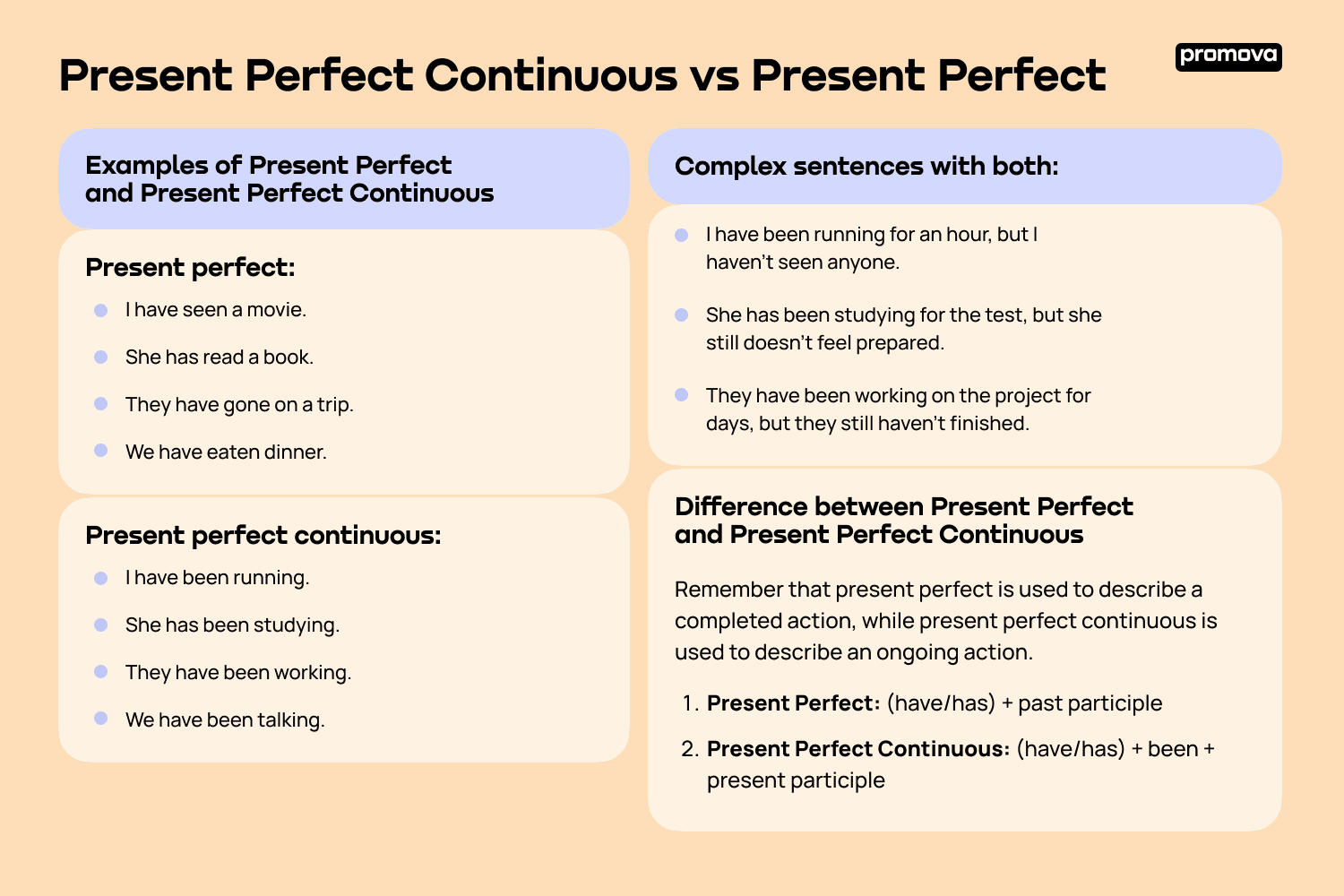
The Present Perfect describes an action that started in the past and has a result or relevance now. It focuses on the completed action or experience, not necessarily the duration.
Formula: has/have + past participle
Breaking it down:
- has/have: Again, use "has" for he, she, it. Use "have" for I, you, we, they.
- past participle: This is the third form of the verb. For regular verbs, it usually ends in "-ed" (e.g., "walked," "played"). Irregular verbs have different past participle forms (e.g., "gone," "seen," "eaten").
Examples:
- "I have visited Paris." (The visit is finished, but it's a past experience I can talk about now.)
- "She has finished her homework." (The homework is done, so she is free to do something else.)
- "They have eaten all the cake." (The cake is gone; this is the result.)
The Present Perfect is often used with adverbs like "already," "yet," "ever," and "never." These adverbs help describe the timing or frequency of the action.
Key Differences Summarized
Here's a table summarizing the key differences:
| Feature | Present Perfect Continuous | Present Perfect |
|---|---|---|
| Focus | Duration of action | Completed action/Result now |
| Emphasis | How long? / Ongoing | What happened? / Is finished |
| Formula | has/have + been + verb-ing | has/have + past participle |
Think of it this way: If you want to emphasize the process and how long something has been happening, use the Present Perfect Continuous. If you want to emphasize the result or the completed action, use the Present Perfect.
Example comparing both:
- Present Perfect Continuous: "I have been reading that book all day." (Focus is on the long duration of reading.)
- Present Perfect: "I have read that book." (Focus is on the fact that you finished reading it.)
Understanding these nuances will significantly improve your English grammar and communication skills. Practice with exercises and real-life conversations to master these tenses.