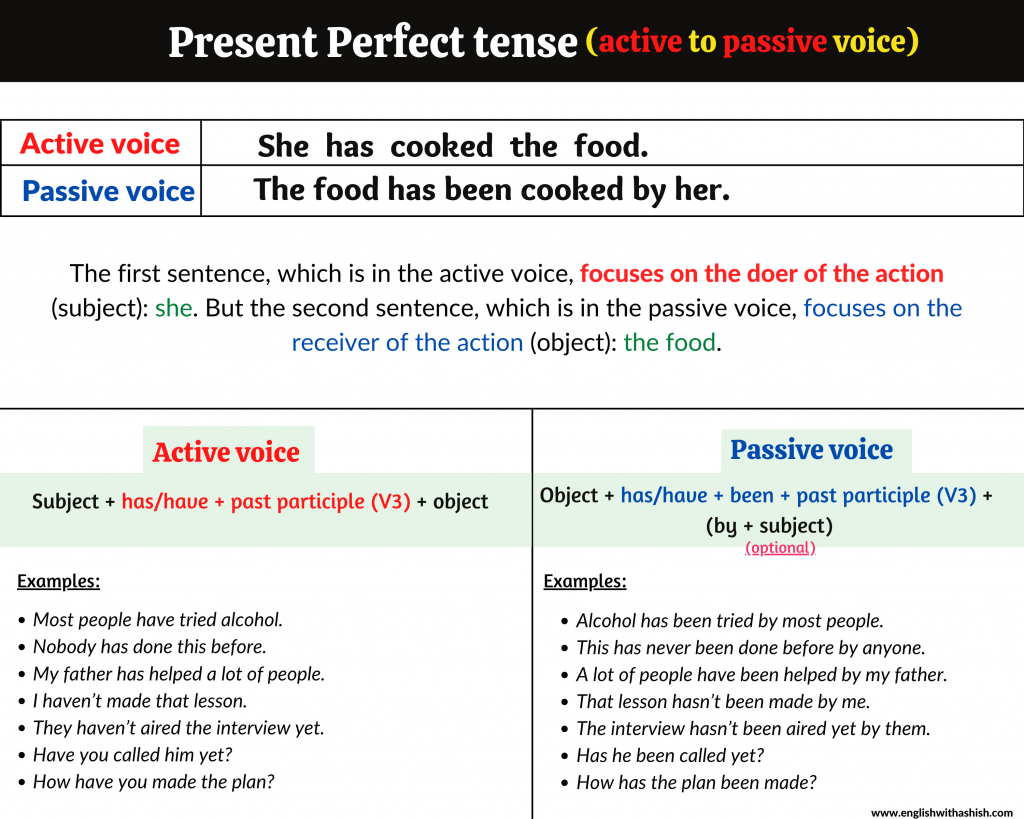
Present Perfect Progressive Passive Voice

Willkommen! Let's explore a less common but interesting grammatical concept: the Present Perfect Progressive Passive Voice. This guide will break it down simply.
The most important thing to understand is the definition. The Present Perfect Progressive Passive Voice describes an action that started in the past, has continued up to the present, and is still happening, with the focus on the action itself rather than the actor. It emphasizes the duration of the action and that it's being done *to* something.
Let's break this down into smaller parts:
1. Present Perfect Progressive: This part signals an action that began in the past and continues to the present. Think of it as "has been" doing something. For example, "I have been waiting."
2. Passive Voice: This means the subject of the sentence is receiving the action, not performing it. For example, instead of "The dog chased the cat," you have "The cat was chased by the dog." The focus is on what happened to the cat.
3. Combining them: To form the Present Perfect Progressive Passive, we need the auxiliary verbs "have/has been being" + past participle. It looks a bit complex, but the idea is straightforward.
Here are a few examples to illustrate:
Original: People have been polluting the river.
Present Perfect Progressive Passive: The river has been being polluted.
Original: They have been renovating the building.
Present Perfect Progressive Passive: The building has been being renovated.
Original: The company has been testing the product.
Present Perfect Progressive Passive: The product has been being tested.
Notice how in each passive example, we are focusing on the river, the building, and the product – the things receiving the action. The duration of the action is also implied; the river *has been being* polluted for some time.
When do you use this? It's not as common as other tenses, but it's helpful when:
1. Emphasizing the Ongoing Action: You want to stress that something has been happening for a while and is still in progress. For instance, "The road has been being repaired for weeks," highlighting the long duration of the repair.
2. Downplaying the Actor: The person or thing performing the action isn't important, or is unknown. Instead of saying "Workers have been repairing the road," we focus on the road itself.
3. Formal Writing: You might find it used in formal reports or news articles where objectivity is important. "The allegations have been being investigated by the police," sounds more formal than "The police have been investigating the allegations."
Let's think about practical applications. Consider these situations:
- A historical monument that has been being restored for years. The restoration process is long and ongoing.
- A piece of legislation that has been being debated in parliament. The debate is a continuous process.
- A scientific theory that has been being developed by researchers. The development is a long-term effort.
While not an everyday tense, understanding the Present Perfect Progressive Passive Voice enhances your overall grammatical knowledge. It allows you to express nuance and focus in your writing and speaking. Keep practicing with examples, and you'll soon find appropriate situations to use it!