Present Progressive And Simple Present
Here's a simple guide to understanding the Present Progressive and Simple Present tenses in English.
Present Progressive
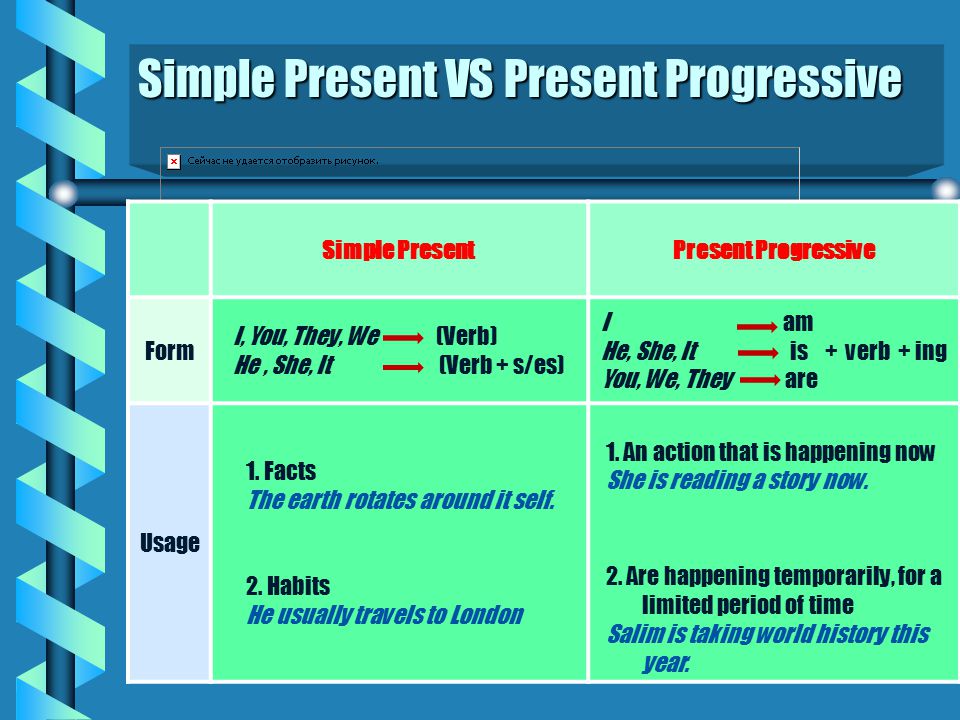
Definition: The Present Progressive describes actions happening right now, at the moment of speaking, or around this time.
Let's break that down:
- Happening right now: Think of things you're doing as you read this. For example, "I am reading this article."
- At the moment of speaking: This is very similar to "right now." "The dog is barking loudly."
- Around this time: This refers to actions happening over a period that includes the present. "I am studying German this semester." (It doesn't mean you're studying at this exact second, but during this general period.)
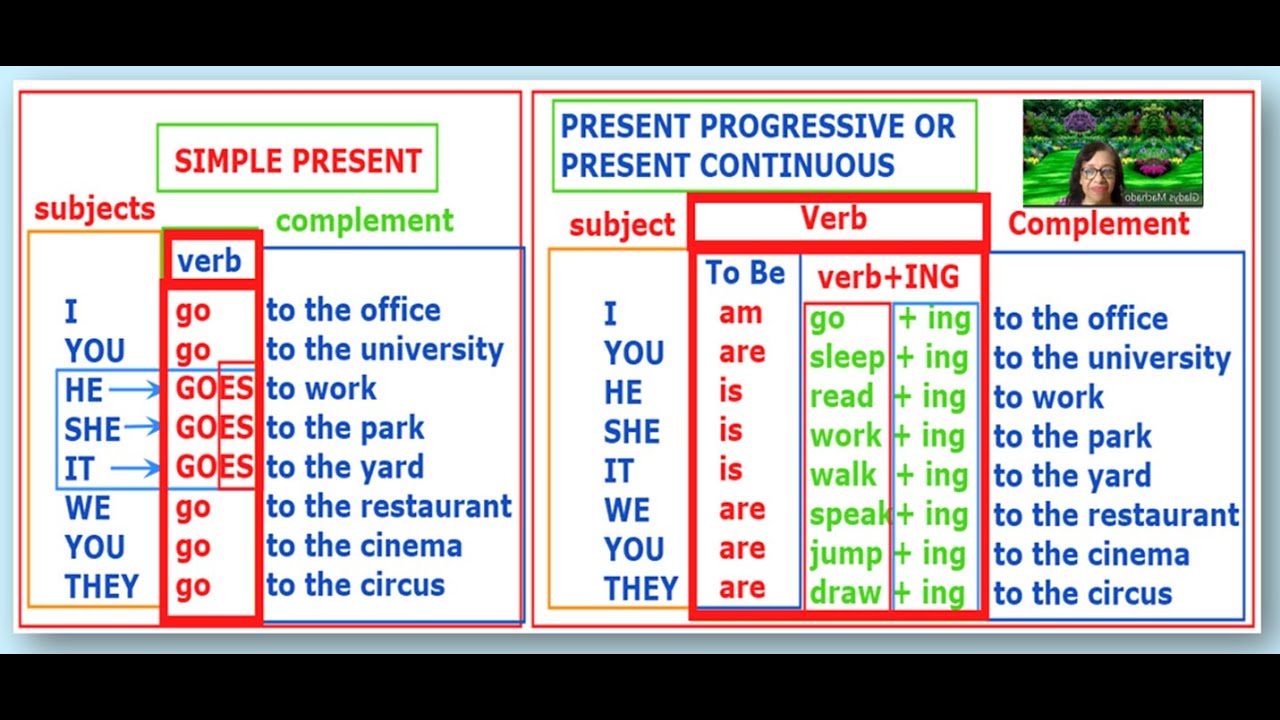
How to form it: The Present Progressive uses the verb "to be" (am, is, are) + the main verb with "-ing."
Examples:
- I am watching TV.
- He is eating dinner.
- They are playing soccer.
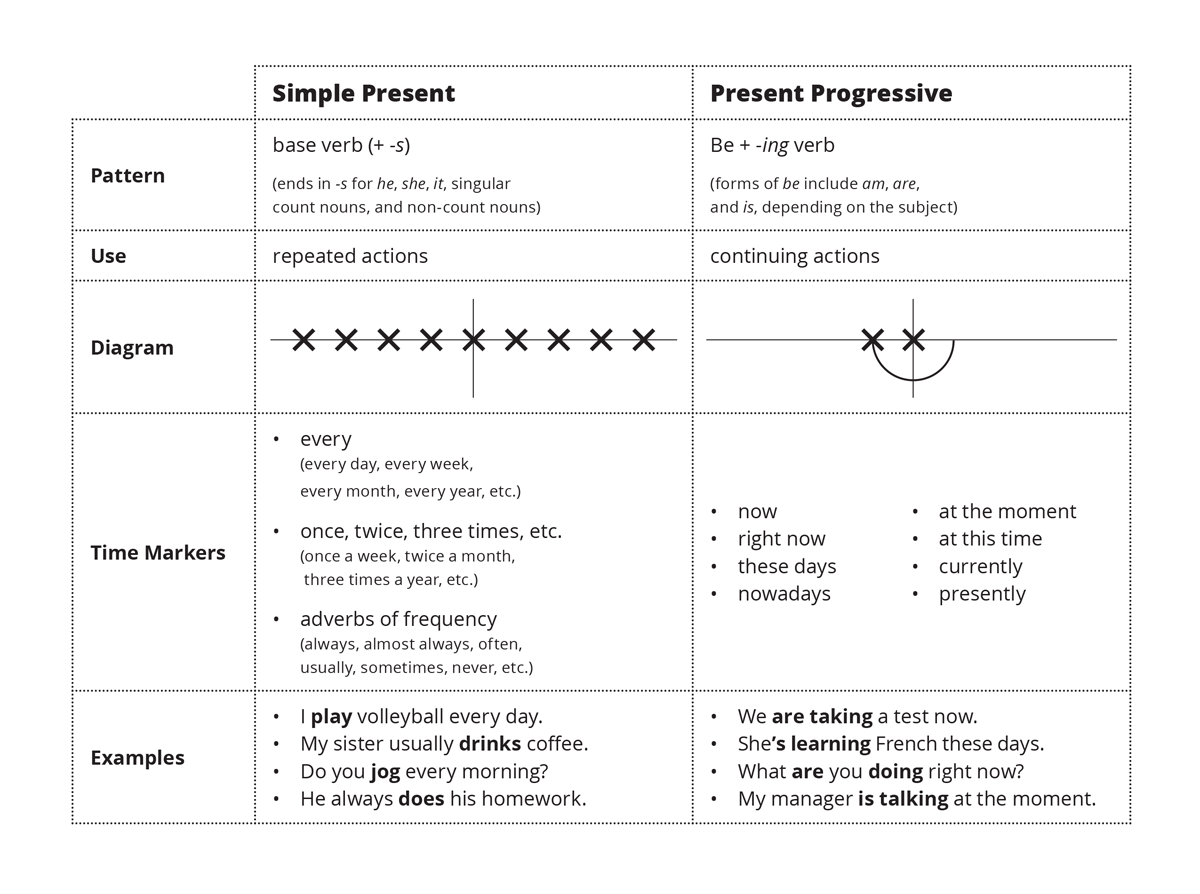
Keywords that often signal Present Progressive: now, at the moment, currently, these days.
Example: "They are renovating the house these days."
Simple Present
Definition: The Simple Present describes habits, routines, general truths, and facts.
Let's break that down:
- Habits: Things you do regularly. "I drink coffee every morning."
- Routines: Similar to habits, but often more structured. "She goes to work at 8 am."
- General truths: Statements that are generally true. "The sun rises in the east."
- Facts: Things that are definitely true. "Water boils at 100 degrees Celsius."
How to form it: The Simple Present uses the base form of the verb. For he/she/it, we add "-s" or "-es."
Examples:
- I eat breakfast.
- You work hard.
- He plays the guitar. (Notice the "-s" because of "he")
- She studies English. (Notice the "-s" because of "she")
- It rains often here. (Notice the "-s" because of "it")
- We live in London.
- They go to the park.
Keywords that often signal Simple Present: always, usually, often, sometimes, rarely, never, every day, every week, on Mondays.
Example: "He usually walks to school."
The Key Difference: Time
The biggest difference is the time frame. The Present Progressive is about what's happening around now. The Simple Present is about what happens generally, as a routine or fact.
Present Progressive: "She is cooking dinner now." (She's doing it at or around this moment.)
Simple Present: "She cooks dinner every night." (It's her routine.)
More Examples to Compare
- Present Progressive: "I am learning to play the piano." (Currently in the process of learning)
- Simple Present: "I play the piano." (I have the ability to play the piano in general)
- Present Progressive: "He is working on a new project." (He's actively working on it now.)
- Simple Present: "He works at a bank." (That's his job.)
- Present Progressive: "They are visiting their grandparents this weekend." (The visit is planned for this specific weekend)
- Simple Present: "They visit their grandparents every month." (Regular routine)
Remember to pay attention to the keywords and the context to understand which tense is appropriate.
Understanding the difference between the Simple Present and the Present Progressive will significantly improve your English speaking and writing skills. Keep practicing!