Save The Date Or Safe The Date

Save the Date or Safe the Date? A Grammar Lesson for Educators
It's a common question. Many people get these two phrases mixed up. Let's explore the difference. We can help our students master this concept.
The correct phrase is "Save the Date." It means to reserve a specific day. This is usually for an event in the future.
“Safe the Date” is incorrect. It doesn't make sense grammatically. It also has no established meaning.
Why the Confusion?
The similar sounds are the main culprit. Both phrases are pronounced nearly identically. This leads to frequent misspellings.
People often focus on the "safety" aspect. Thinking "safe" implies keeping something secure. But that is not what the idiom is about.
Another reason is simply lack of exposure. Some students may not have encountered the phrase often. They may not have seen it written correctly.
How to Teach It Effectively
Start with the definition. Explain that "Save the Date" is an announcement. It tells people to keep a specific date free. It is for an upcoming event.
Use examples. Relate the phrase to events relevant to students. For instance, class trips, school plays, or sports games.
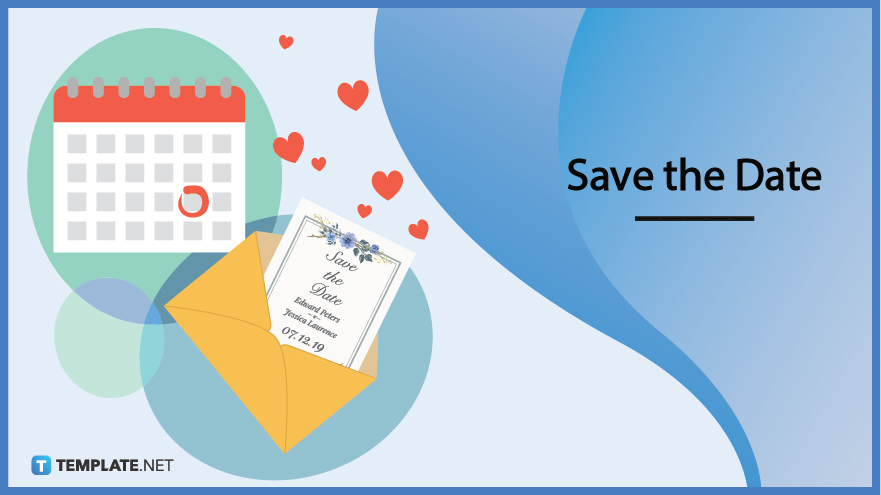
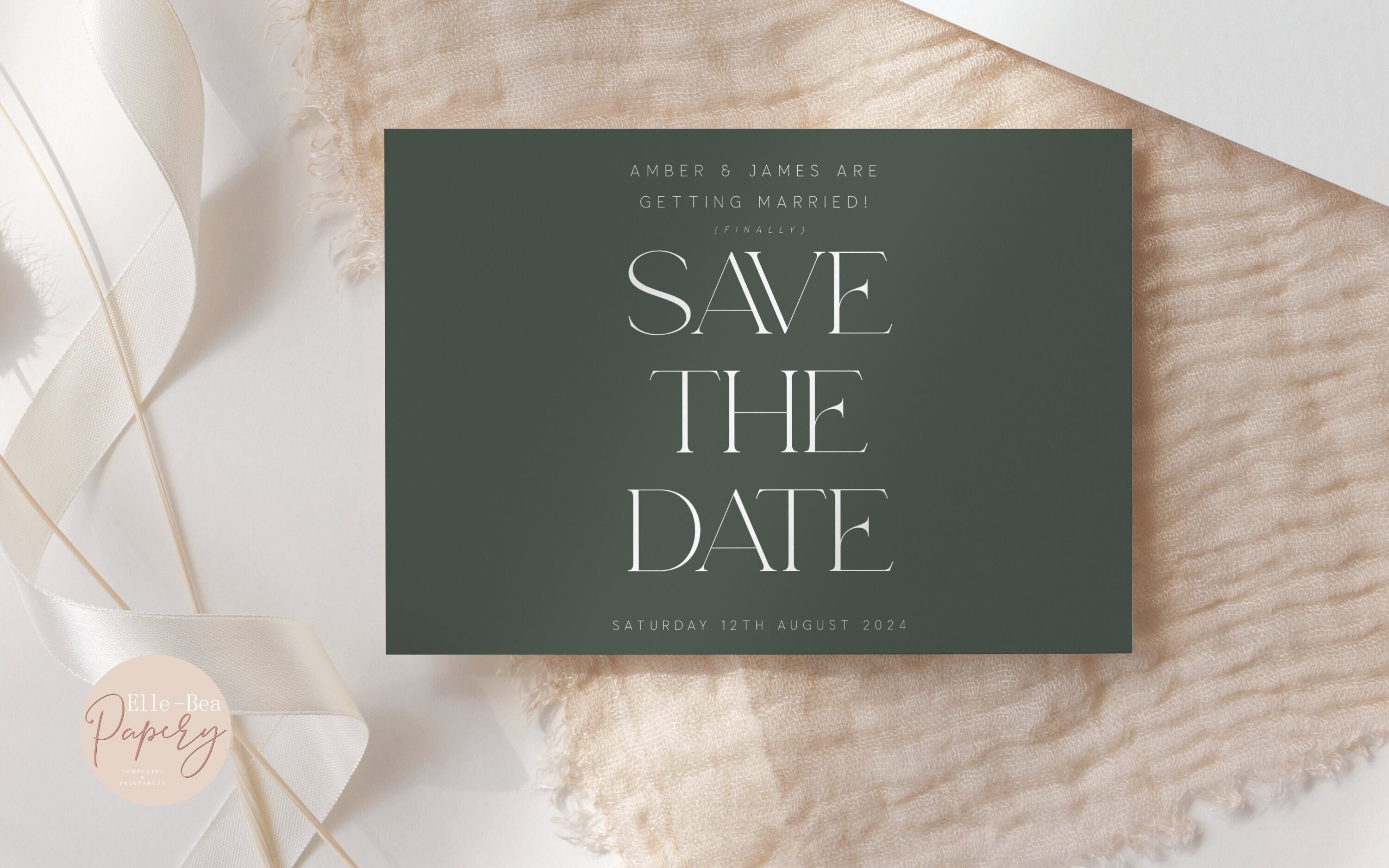
Provide visual aids. Show examples of "Save the Date" cards. Point out the correct spelling and usage.
You can write it on the board. You can also create a handout. Doing so reinforces visual learning. It will help students remember it.
Emphasize the meaning. Explain that "save" means to reserve or keep. This is different from the adjective "safe."
Highlight the difference between verbs and adjectives. Describe the function of each. That will help them understand the construction of "Save the Date."
Addressing Common Misconceptions
Acknowledge the common error. Tell students that many people make this mistake. This helps them feel more comfortable asking questions.
Explain the absurdity of "Safe the Date." Ask students what it would literally mean. This can highlight the nonsensical nature of the phrase.
Focus on memorization techniques. Suggest using mnemonics to remember the correct spelling. For example, "Save the Date for a great party!"
Making it Engaging
Create a class activity. Have students design their own "Save the Date" cards. This can be for fictional or real events.
Use online quizzes and games. These can be fun and interactive ways to test understanding. They also help reinforce correct usage.
Incorporate real-world examples. Find examples of the phrase used online or in print. Analyze them as a class.
Encourage peer teaching. Have students explain the concept to each other. This reinforces their understanding and helps their classmates.
Relate it to other grammar rules. Connect this concept to broader lessons about homophones. Focus on commonly confused words.
Encourage students to be grammar detectives. Ask them to notice the phrase in their everyday lives. They can identify if it is used correctly or incorrectly.
Reinforcement and Review
Include the phrase in regular grammar quizzes. This reinforces learning over time. It also ensures continued attention to the topic.
Provide feedback on student writing. Correct any instances of the incorrect phrase. Give a brief explanation of the error.
Revisit the topic periodically. Remind students of the correct usage throughout the year. This prevents them from forgetting the rule.
By addressing the confusion head-on, we empower our students. This simple lesson allows them to communicate with confidence and precision. This will also help them avoid a common grammatical pitfall.
Remember: When it comes to announcing an upcoming event, always Save the Date! Never "safe" it!