Sehr Geehrte Damen Und Herren Auf Englisch
Introduction: Unpacking "Sehr Geehrte Damen und Herren"
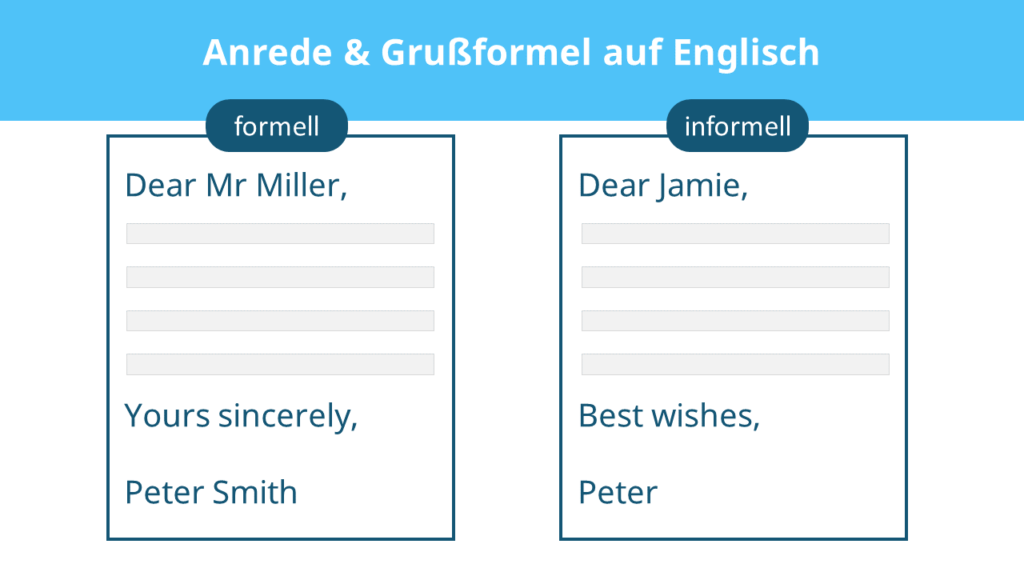
The phrase "Sehr geehrte Damen und Herren" is a staple in German formal correspondence. It translates to "Dear Ladies and Gentlemen" and serves as a standard opening salutation in letters, emails, and speeches. While seemingly straightforward, its usage and implications can be nuanced, particularly for those unfamiliar with German etiquette. Understanding these nuances ensures professional and respectful communication within the German-speaking world. Ignoring them can inadvertently create a poor first impression, potentially damaging business relationships or social interactions. This article will explore the intricacies of "Sehr geehrte Damen und Herren," providing insights into its correct usage, alternatives, and cultural significance.
Key Points and Arguments
The Formal Standard: Why "Sehr geehrte Damen und Herren" Matters
In Germany, Austria, and Switzerland, formality in communication is highly valued, especially in professional contexts. "Sehr geehrte Damen und Herren" reflects this emphasis on respect and deference. It signals to the recipient that you recognize and acknowledge their position and status.
Using a less formal salutation in a formal setting can be perceived as disrespectful or unprofessional. It suggests a lack of awareness of appropriate social cues and can undermine your credibility. Think of it as addressing a CEO by their first name in an email requesting funding - while intentions might be good, the lack of formality could create a negative perception.
Gender Inclusivity: Addressing the Modern Concerns
While "Sehr geehrte Damen und Herren" has been the traditional standard, it's facing increasing scrutiny due to its inherent gender binary. Modern discussions emphasize the need for gender-inclusive language that acknowledges and respects individuals who do not identify as male or female.
Alternatives are emerging to address this concern, but finding a universally accepted solution remains a challenge. Many organizations are exploring options like using the recipient's full name (if known) or employing more generic phrases. We will explore alternatives later in this article.
The Importance of Context: Knowing Your Audience
The appropriateness of "Sehr geehrte Damen und Herren" depends heavily on the context of your communication. A formal business letter to a government agency requires a different approach than an internal email to colleagues.
Consider the following:
- The recipient's seniority: Are you addressing a high-ranking official or someone in a more junior role?
- The nature of the relationship: Is this a first-time contact or an established relationship?
- The industry or organization: Some sectors are more traditional and formality is more highly valued.
Alternatives and Adaptations: Navigating the Options
Recognizing the limitations of "Sehr geehrte Damen und Herren," especially concerning gender inclusivity, various alternatives are gaining traction.
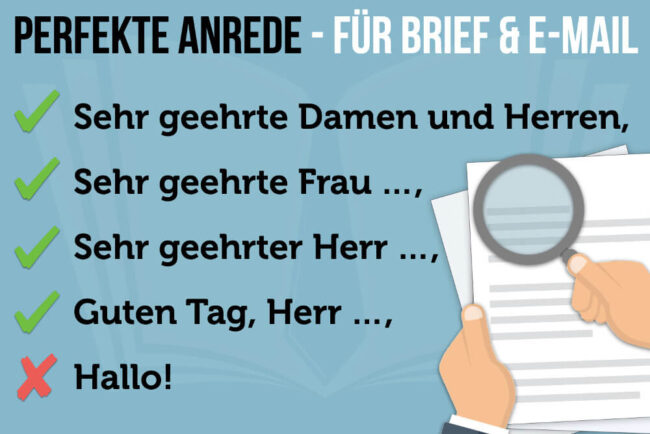
- "Sehr geehrte/r Frau/Herr [Nachname]": This is the most direct and preferred option when you know the recipient's name and gender. For example, "Sehr geehrte Frau Schmidt" or "Sehr geehrter Herr Müller." This demonstrates respect and personalization.
- "Guten Tag Frau/Herr [Nachname]": A slightly less formal option, meaning "Good day, Ms./Mr. [Last Name]". Suitable for less formal professional communication.
- "Sehr geehrte/r Frau/Herr": Used when you know the recipient's title but not their last name. Be cautious; overuse can seem impersonal.
- "Sehr geehrte Damen und Herren,": Retains the original greeting, and follows it with "wir möchten Sie informieren..." with a colon after the initial salutation.
- "Guten Tag": (Good day) Suitable for internal communications or when addressing a group of colleagues you know well.
- "[Name] Team": In specific cases you might address a team by its name, for example "[Marketing] Team".
If you are unsure of the recipient's gender or prefer a gender-neutral approach, consider these alternatives:
- "Sehr geehrte/s [Name des Unternehmens/Organisation]": Addresses the company or organization directly. For example, "Sehr geehrte Deutsche Bank."
- "Sehr geehrte Interessierte": (Dear interested parties) Used when addressing a general audience, such as in a marketing email or public announcement.
- Dropping the Salutation Altogether: In some very modern contexts, especially within startups or tech companies, the salutation might be omitted entirely, starting directly with the message. However, exercise caution with this approach, as it can be seen as informal in many traditional settings.
Real-World Examples and Data
Let's examine a few real-world examples to illustrate the principles discussed:
- Example 1: Formal Letter to a Government Official:
In a formal letter to a member of parliament, the appropriate salutation would be: "Sehr geehrte Frau/Herr [Nachname], [Titel]" (e.g., "Sehr geehrte Frau Dr. Müller, MdB"). The title is crucial in such settings. - Example 2: Email to a Potential Business Partner:
If you're contacting a potential business partner for the first time, use: "Sehr geehrte/r Frau/Herr [Nachname]." Doing your research and knowing their name is paramount. - Example 3: Internal Email to Colleagues:
In an internal email to colleagues within a company with a less hierarchical culture, "Guten Tag [Vorname]" (Good day, [First Name]) or even simply "Hallo [Vorname]" (Hello, [First Name]) may be acceptable. - Example 4: Addressing a Generic Email Inbox:
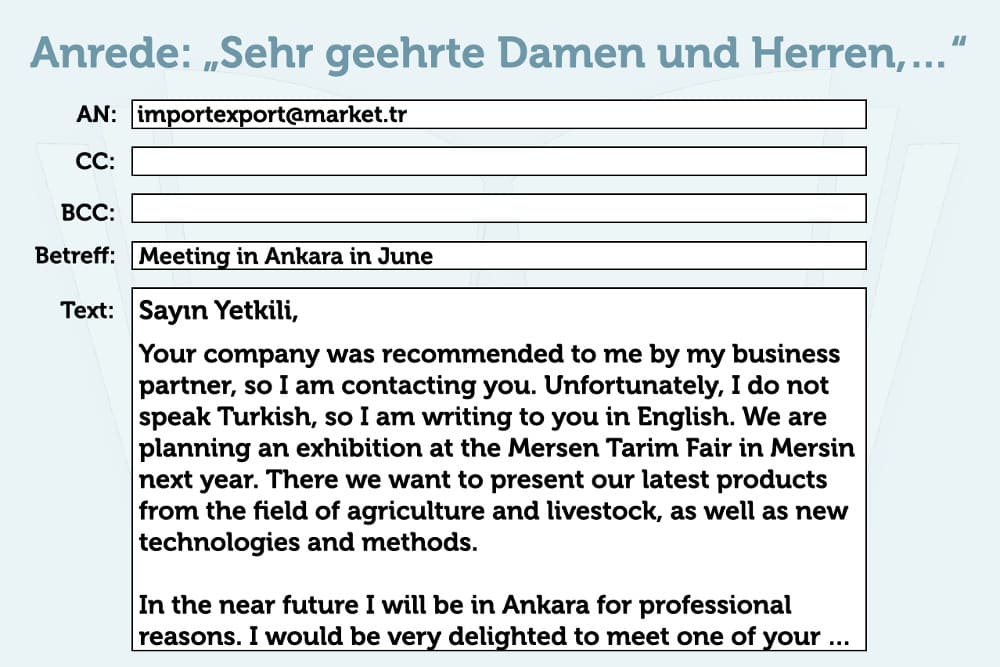
Sending an email to an inbox like "[email protected]," using "Sehr geehrte Damen und Herren" is still a valid approach, as you are addressing an unknown group.
While concrete statistical data on the exact prevalence of each salutation is difficult to obtain, anecdotal evidence and observations of common business practices confirm that "Sehr geehrte Damen und Herren" is gradually being replaced by more personalized and inclusive alternatives, particularly in industries with a younger workforce or a strong emphasis on diversity and inclusion. However, in highly formal settings, its continued use remains significant.
Conclusion and Call to Action
"Sehr geehrte Damen und Herren" is a cornerstone of formal German communication, but its relevance is evolving. While it remains appropriate in certain contexts, the increasing emphasis on personalization and gender inclusivity necessitates careful consideration of alternative options.
The key takeaway is to always consider your audience and the context of your communication. When possible, prioritize personalized salutations using the recipient's name and gender. If unsure, opt for a gender-neutral alternative like "Sehr geehrte/s [Name des Unternehmens/Organisation]" or, in some cases, consider omitting the salutation altogether (but exercise caution!).
By understanding the nuances of German salutations and adapting your communication style accordingly, you can demonstrate respect, build stronger relationships, and avoid potential miscommunications. Take the time to research your recipient and choose the most appropriate salutation for each situation. This small effort can make a significant difference in the success of your interactions within the German-speaking world.