Sehr Geehrte Damen Und Herren In Englisch
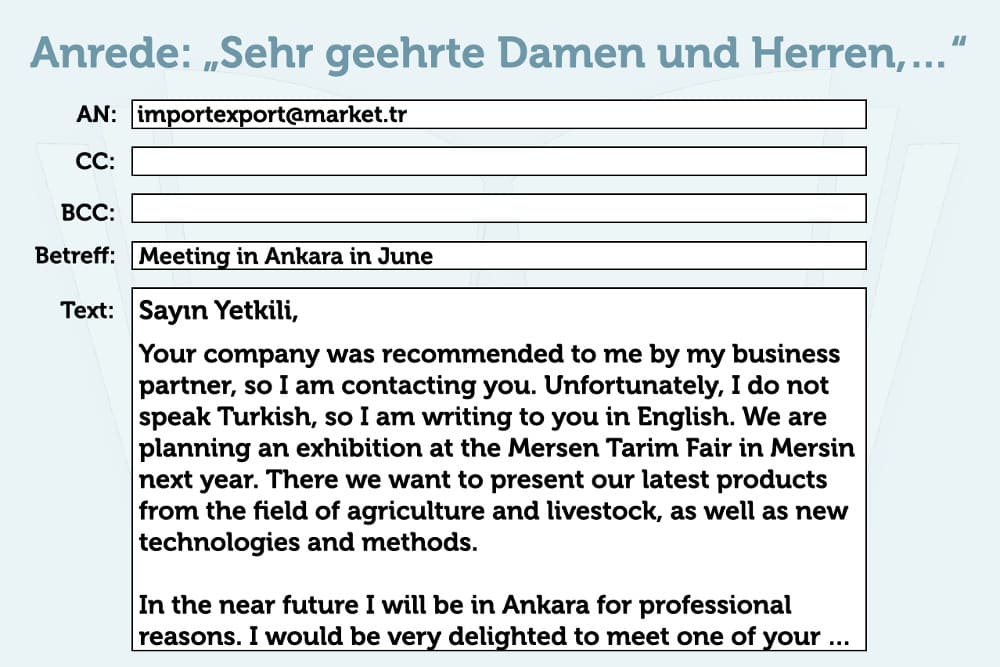
Sehr geehrte Damen und Herren translates to "Dear Sir or Madam" in English. It's a formal German salutation used in business correspondence when you don't know the recipient's name.
Here's a breakdown of how to approach this situation in English:
Step 1: Attempt to identify the recipient. Before resorting to "Dear Sir or Madam," try to find a specific name. A quick search on the company website or LinkedIn can often provide you with the relevant contact person. For example, if you're writing to inquire about a job posting at "Acme Corp," check their website for the hiring manager's name. This demonstrates initiative and professionalism.
Step 2: If identifying the recipient fails, consider a department or role. Instead of addressing an unknown individual, target your salutation. For instance, "Dear Hiring Manager," "Dear Customer Service Department," or "Dear Sales Team" are much better options. Let's say you need technical support from "Beta Solutions." You could write, "Dear Technical Support Team," instead of a generic salutation. This makes your email more focused.
Step 3: Use "Dear Sir or Madam" as a last resort. Only use this phrase when you absolutely cannot determine any specific contact information. It's considered impersonal, but sometimes necessary. If you have no other options, "Dear Sir or Madam" is acceptable. It is better to send the email than not sending it at all. Remember to be extra polite in the body of your email to compensate for the generic greeting.
Step 4: Maintain formality throughout the email. If you're using a formal salutation, ensure the rest of your message reflects that level of formality. Use professional language and avoid colloquialisms. For example, don't follow "Dear Sir or Madam" with slang. Instead, be precise and considerate.
Step 5: Consider cultural context. While "Dear Sir or Madam" is the most direct translation, understand its implications. In some business cultures, it may be viewed as slightly outdated. Consider researching the preferred communication style of the company or individual you're contacting. Adapt as necessary, but always remain professional.
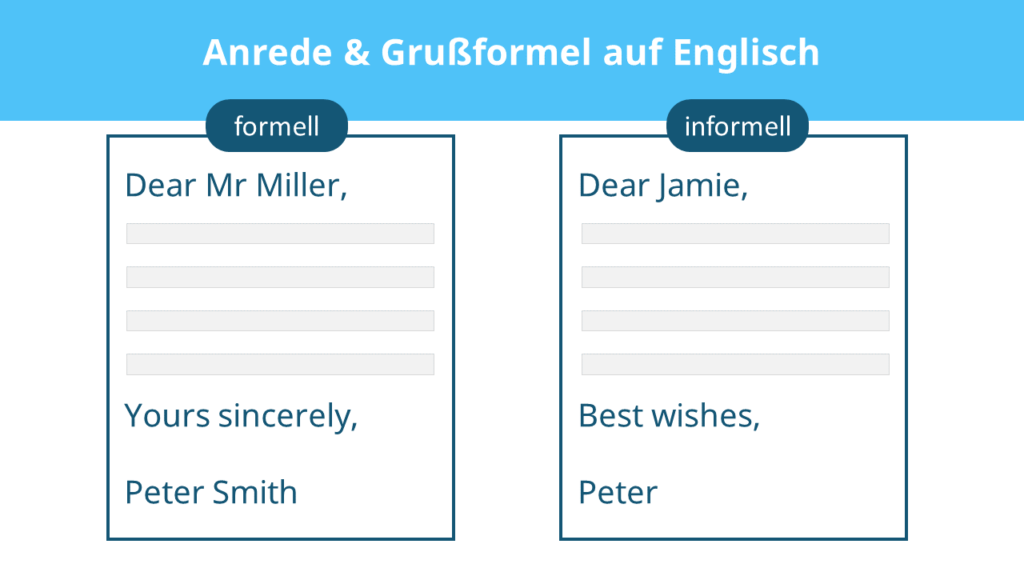
Step 6: Closings are important. Just like your opening, your closing should match the level of formality. Use "Sincerely," "Yours sincerely," or "Respectfully," followed by your full name. If you used "Dear Sir or Madam," it's particularly important to have a respectful and appreciative closing.
Here are a couple of practical uses demonstrating the importance of understanding this concept:
Job Applications: If you're applying for a job and cannot find the recruiter's name, using a more targeted greeting like "Dear Hiring Manager" can significantly increase your chances of being noticed. Tailoring your salutation demonstrates effort.
Customer Service Inquiries: When contacting customer service, using "Dear Customer Service Department" or "Dear Support Team" can ensure your email reaches the appropriate individuals and receives a faster response.
In summary, while "Sehr geehrte Damen und Herren" translates to "Dear Sir or Madam," strive to find a more specific greeting to demonstrate professionalism and increase the likelihood of a positive response. Only use "Dear Sir or Madam" as a last resort and ensure that your email maintains a formal tone throughout.