Sehr Geehrte Damen Und Herren In English
Sehr geehrte Damen und Herren is a German salutation. It translates directly to "Dear Ladies and Gentlemen" in English.
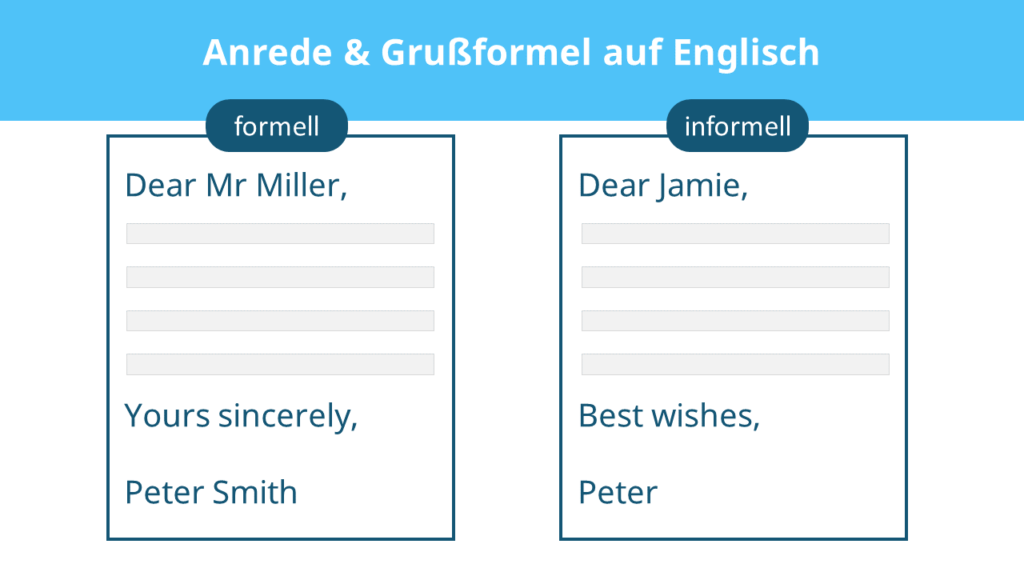
It's the standard, formal way to address a letter or email when you don't know the names of the people you're writing to. Think of it as the German equivalent of "To Whom It May Concern." It is crucial to understand how to use it correctly to maintain professional decorum in German correspondence. Using it appropriately demonstrates respect and formality.
Here’s a breakdown of how to understand and use it:
Step 1: Understanding the Individual Words
- Sehr means "very." It intensifies the politeness.
- Geehrte is the feminine plural form of "geehrt," meaning "honored" or "esteemed."
- Damen means "ladies."
- Und means "and."
- Herren means "gentlemen."
Step 2: Recognizing When to Use It
You should use Sehr geehrte Damen und Herren when:
- You are writing a formal letter or email.
- You do not know the specific names of the recipients.
- You are addressing a general audience (e.g., a company, a department).
Step 3: Proper Usage in a Letter/Email
The salutation always starts a new line. It's followed by a comma. The body of your letter or email begins on the next line, with the first word capitalized. For example:
Sehr geehrte Damen und Herren,
Hiermit bewerbe ich mich um die ausgeschriebene Stelle als Marketing Manager...
(Hereby I apply for the advertised position as Marketing Manager...)
Step 4: Alternatives if Possible
Whenever possible, try to find a contact person. Addressing someone by name is always more personal and shows you’ve done your research. If you can find a name, use Sehr geehrte Frau [Last Name] (Dear Ms. [Last Name]) or Sehr geehrter Herr [Last Name] (Dear Mr. [Last Name]). This makes your communication more effective.
For example:
Sehr geehrte Frau Müller,
Ich beziehe mich auf unser Telefongespräch vom 15. Mai...
(I am referring to our phone conversation on May 15th...)
Practical Uses and Why It Matters
Knowing how to use Sehr geehrte Damen und Herren (or its alternatives) is crucial for professional communication in German-speaking countries. It demonstrates respect and understanding of cultural norms. Failing to use it correctly can be seen as impolite or unprofessional. Imagine you're applying for a job; a well-crafted and properly addressed cover letter shows attention to detail and professionalism. This is essential for making a positive first impression.
Also, if you're contacting a company for information or assistance, using the correct salutation will ensure your message is taken seriously. It helps establish credibility and increases the likelihood of receiving a helpful and timely response.