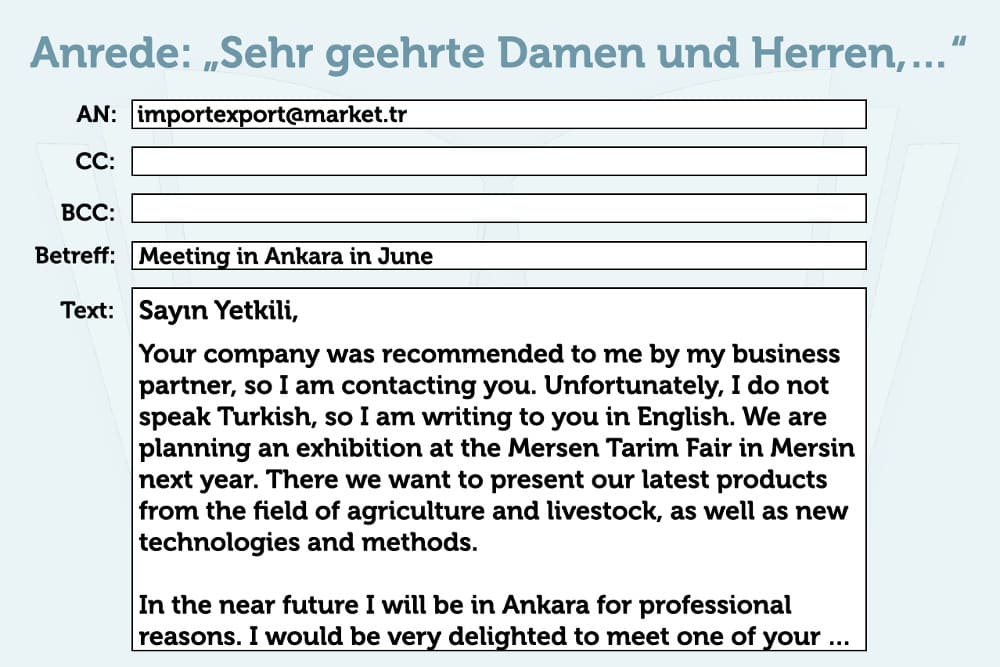
Sehr Geehrte Damen Und Herrn
Sehr Geehrte Damen und Herren: A Guide for Educators
Let's explore the German salutation, "Sehr geehrte Damen und Herren." This phrase is important for formal communication.
It translates to "Dear Ladies and Gentlemen." We will discuss its usage and nuances.
Understanding the Formal Salutation
"Sehr geehrte Damen und Herren" is used when you don't know the name of the recipient. This is common in formal letters. It’s also found in emails to a general audience. Think job applications or inquiries.
It's the go-to option when the recipient's name is unknown. You can use it even if you suspect both men and women will read it. This ensures inclusivity. This avoids making assumptions.
Tips for Explaining in Class
Start by explaining the importance of formal language. Stress its role in professional contexts. Then introduce the salutation.
Break down the phrase. Explain each word: "Sehr" (very), "geehrte" (esteemed), "Damen" (ladies), and "Herren" (gentlemen). Show how they combine to create a respectful tone.
Use real-life examples. Show students examples of formal letters. You can find samples online. Highlight the use of this salutation. Discuss why it's appropriate in those contexts. It can enhance student understanding.
Compare it to English equivalents. Point out similarities and differences. This will make the concept more accessible. This will show the nuances of each language.
Addressing Common Misconceptions
A common misconception is thinking it's outdated. While newer, more inclusive options exist, it remains widely used. It's still important to understand.
Some students might think it's too formal. Explain that formality is context-dependent. It is required for specific situations. Some situations need respect.
Another mistake is using it when you know the recipient's name. In such cases, a more direct salutation is preferable. For example, "Sehr geehrte Frau Müller". This is more personal.
Making it Engaging
Role-playing can be effective. Have students write formal letters. They can pretend to apply for internships. They can inquire about university programs. They should use "Sehr geehrte Damen und Herren" appropriately.
Create a quiz. Test their understanding of formal vs. informal salutations. This can be a fun way to reinforce the lesson.
Discuss alternative salutations. Show the students that other options are available. For instance, "Guten Tag," especially in less formal situations. Or "Sehr geehrte/r Frau/Herr [Last Name]." This shows various ways of communication.
Important Note: Even though it's widely used, encourage students to research and consider modern alternatives. In some cases, a gender-neutral option might be more appropriate. Some companies prefer this option nowadays.
Encourage students to analyze real-world examples. Let them find examples in German documents. Then discuss the appropriateness of the salutation. This will reinforce their learning.
Beyond the Phrase
"Sehr geehrte Damen und Herren" is just one piece of the puzzle. Teach students about other elements of formal German correspondence. Address closing remarks, tone, and grammar.
Reinforce the importance of cultural sensitivity. Explain that communication styles vary. What is acceptable in one culture may not be in another. Being aware of this is essential.
By understanding "Sehr geehrte Damen und Herren," your students will be better equipped. They will be ready to navigate formal German communication. This will enhance their language skills. It will also help them communicate effectively. It will broaden their horizons.