Stille Nacht - Text Original
Stille Nacht, heilige Nacht! is one of the most famous Christmas carols in the world. It originated in Austria in 1818. Let's explore the original German lyrics and their meaning.
The song tells the story of the holy night of Jesus' birth. It emphasizes peace, comfort, and the divine light brought into the world. Understanding the original text gives a deeper appreciation of the carol's message. It also helps connect with its historical and cultural roots.
Here's a breakdown of the first verse:
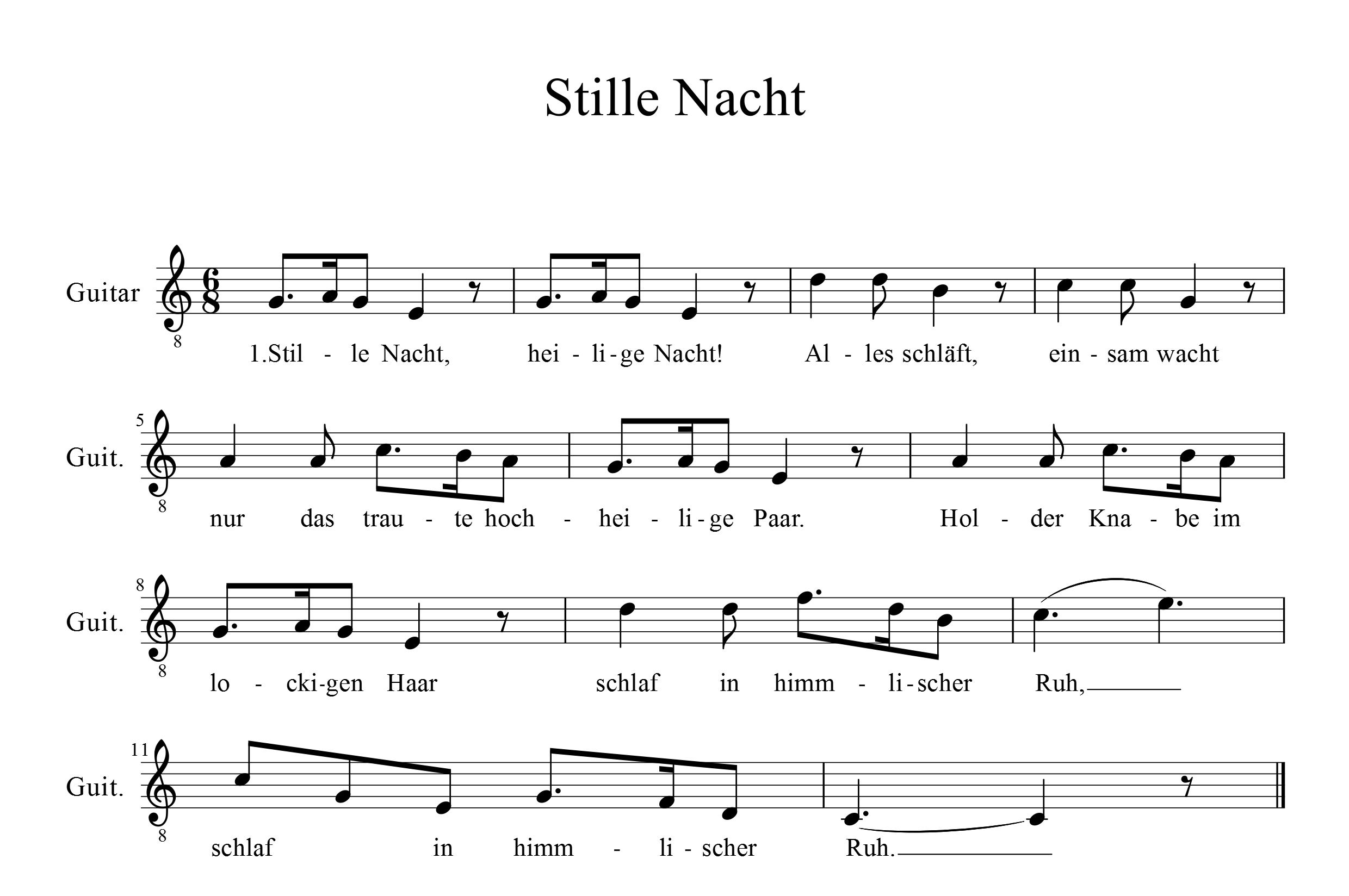
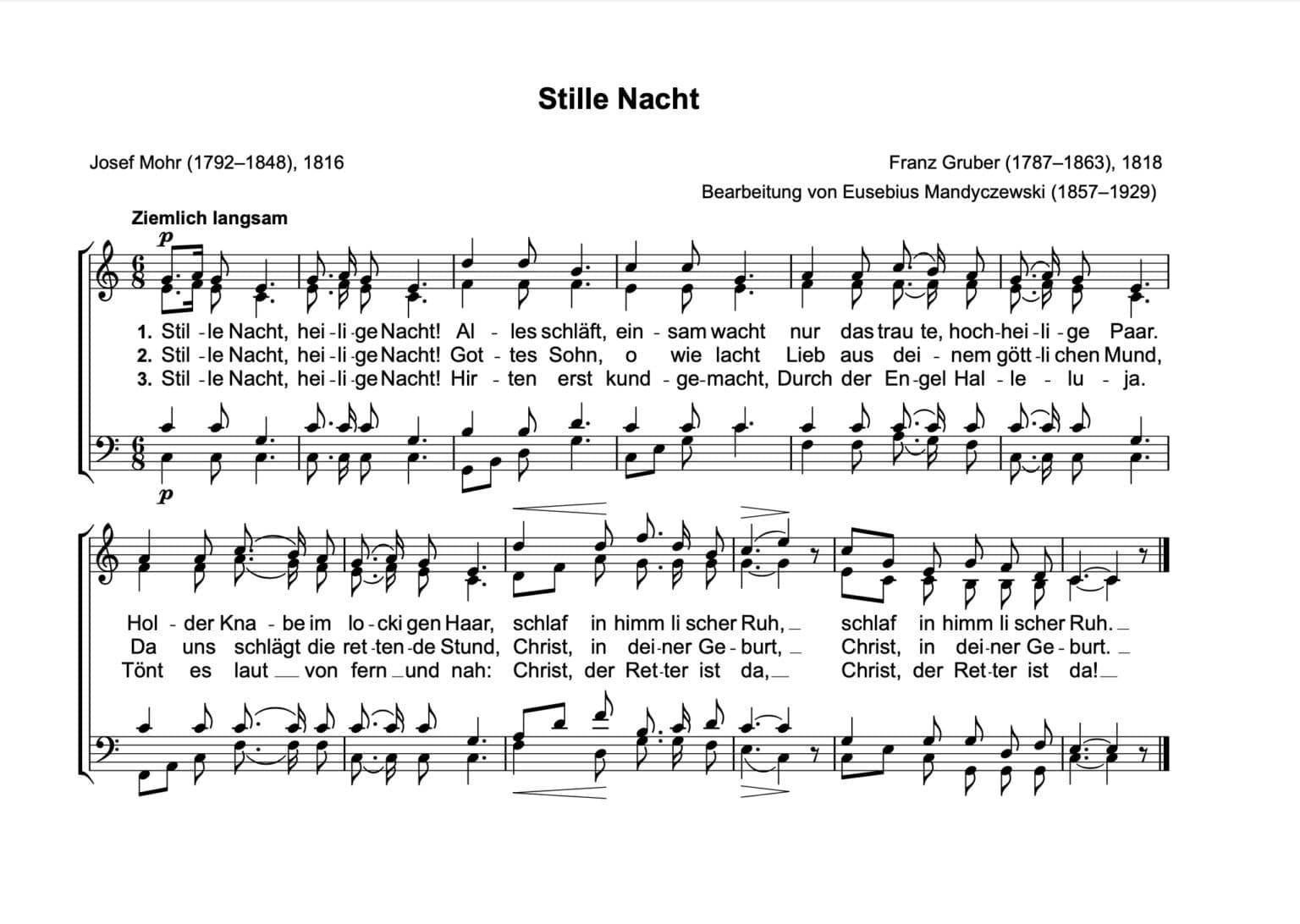
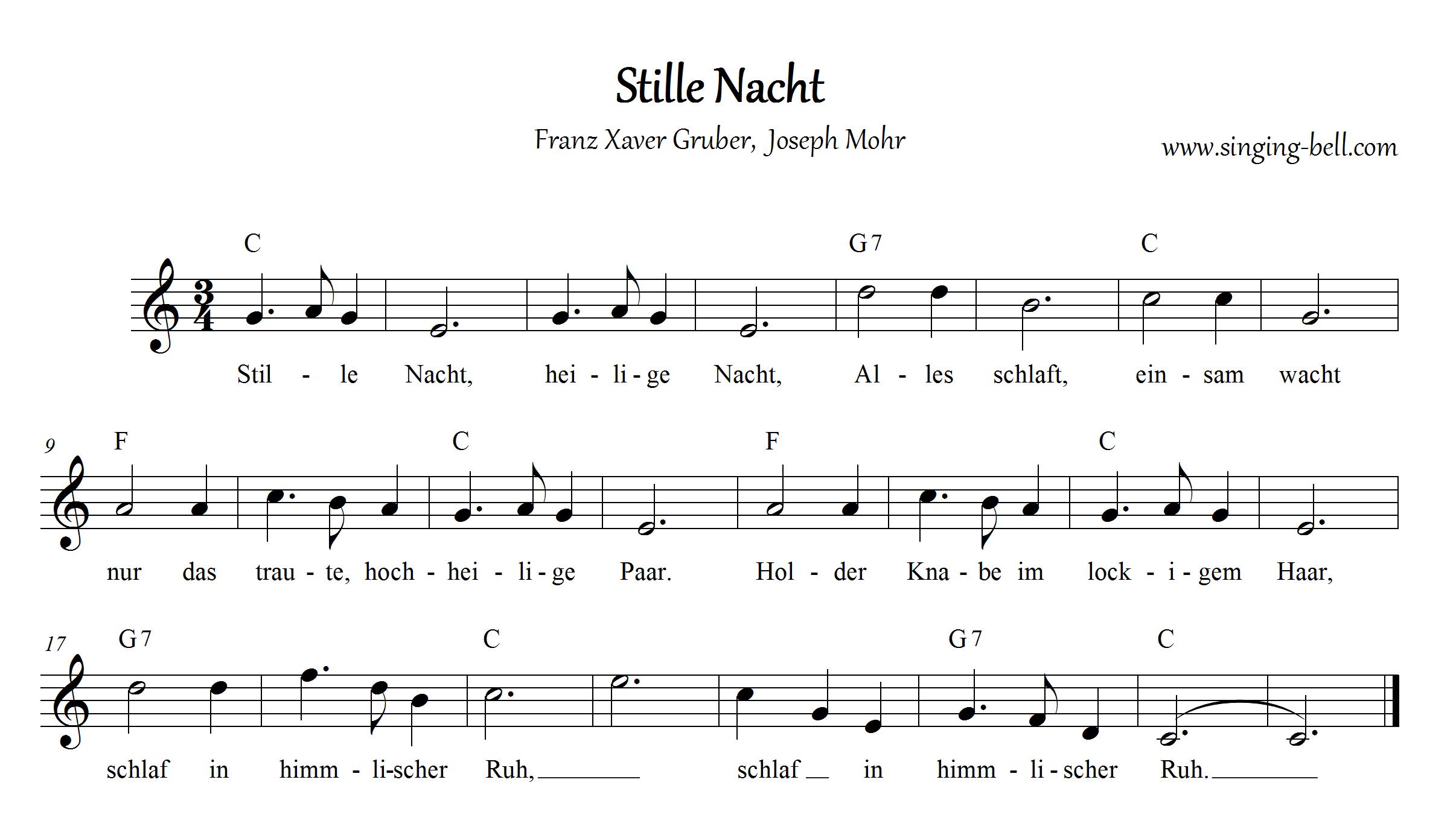
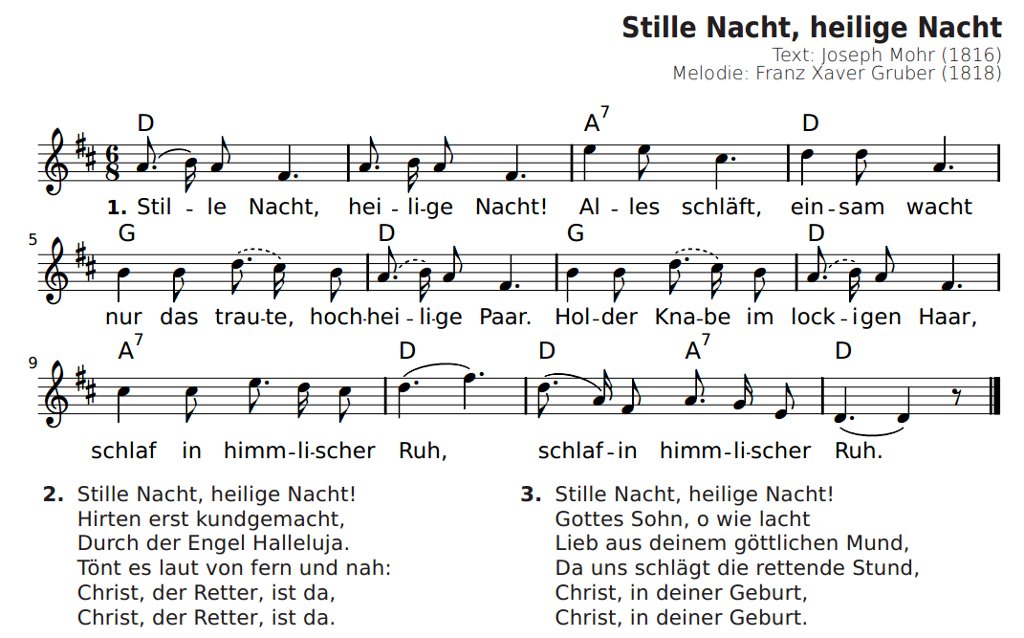
Stille Nacht, heilige Nacht!
Alles schläft; einsam wacht
Nur das traute hochheilige Paar.
Holder Knabe im lockigen Haar,
Schlaf in himmlischer Ruh!
Schlaf in himmlischer Ruh!
Stille Nacht means silent night. Heilige Nacht means holy night. These two phrases set the scene: a peaceful and sacred evening. The repetition reinforces the atmosphere of tranquility and reverence.
Alles schläft; einsam wacht translates to "All are sleeping; lonely watches." This highlights the quietness. Only a few are awake. These are nur das traute hochheilige Paar ("only the beloved, most holy pair"). The pair refers to Mary and Joseph. They are watching over the newborn Jesus.
Holder Knabe im lockigen Haar means "Beautiful boy with curly hair." This line focuses on the baby Jesus. It uses affectionate language to describe his appearance. The word holder suggests endearment and preciousness.
The final two lines, Schlaf in himmlischer Ruh! Schlaf in himmlischer Ruh! translate to "Sleep in heavenly peace! Sleep in heavenly peace!" This is a prayer and a blessing. It wishes the baby Jesus peaceful sleep. The repetition emphasizes the importance of this blessing.
Now, let's look at the second verse:
Stille Nacht, heilige Nacht!
Hirten erst kundgemacht
Durch der Engel Halleluja.
Tönt es laut von fern und nah:
Christ, der Retter ist da!
Christ, der Retter ist da!
The first line, Stille Nacht, heilige Nacht! is repeated for emphasis. It reminds us of the setting. Hirten erst kundgemacht means "Shepherds made known first". This means the shepherds were the first to learn about Jesus' birth.
Durch der Engel Halleluja means "Through the angels' Hallelujah." The shepherds heard the angels singing. Tönt es laut von fern und nah translates to "It sounds loudly from far and near." This describes the angels' announcement spreading everywhere.
Christ, der Retter ist da! Christ, der Retter ist da! translates to "Christ, the Savior is here! Christ, the Savior is here!" This is the core message of the verse. It announces the arrival of Jesus, the savior. The repetition reinforces the importance of this declaration.
Understanding the original German text of Stille Nacht, heilige Nacht! provides a richer experience. It allows us to appreciate the beauty and simplicity of the lyrics. It also lets us to connect more deeply with the song's message of peace and salvation.