Tropfen Auf Den Heißen Stein
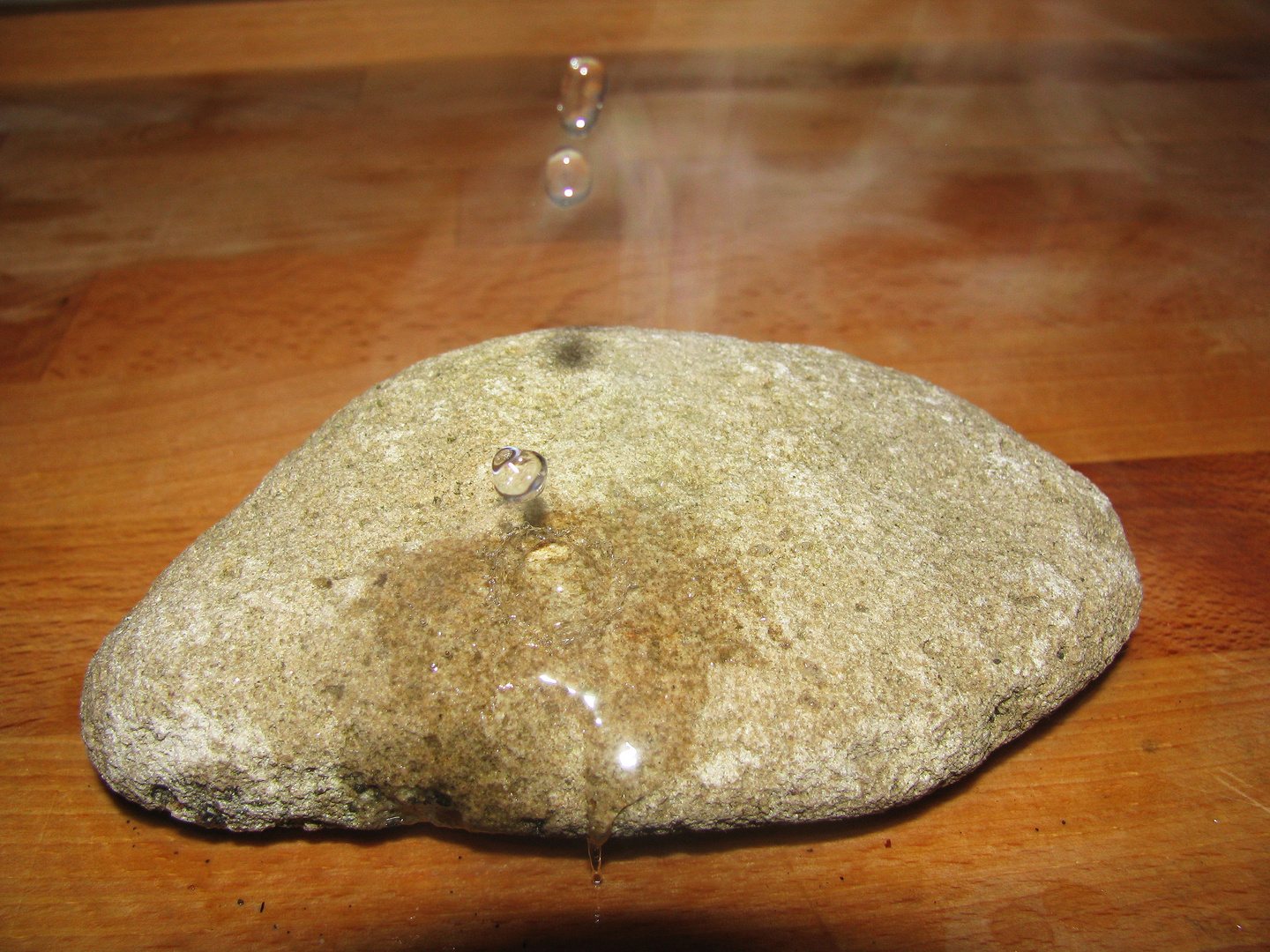
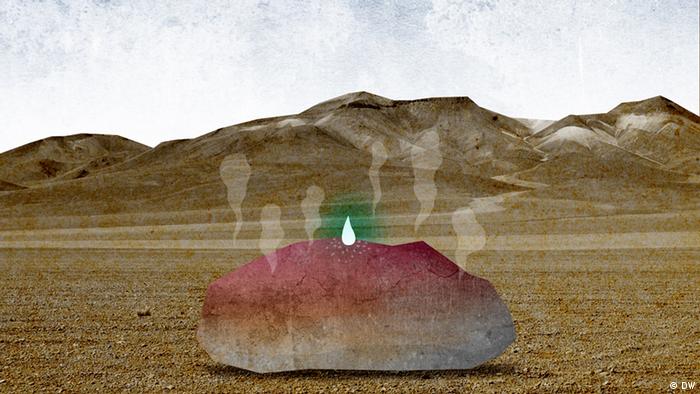
Tropfen auf den heißen Stein. What does it mean? Literally, it translates to "a drop on a hot stone." Think of a single raindrop landing on a scorching rock. Does it make a difference? Not really.
The idiom describes an action that's futile or ineffectual. It highlights the idea that the effort is so small compared to the problem that it's practically useless. Imagine trying to put out a huge forest fire with a water pistol – that's Tropfen auf den heißen Stein.
Understanding the Concept
The core concept is disproportion. The input is tiny, the need is massive. Consider a student who only studies for five minutes before a crucial exam. Their effort is a Tropfen auf den heißen Stein compared to the vast amount of material they need to know.
Another good example? Donating one euro to solve world hunger. While every little bit helps, realistically, a single euro is a Tropfen auf den heißen Stein in tackling such a monumental issue. It’s a contribution, yes, but its impact is negligible.
It doesn't always imply blame or criticism. Sometimes, it simply acknowledges the scale of the challenge. Someone might say, "My attempts to convince him are just a Tropfen auf den heißen Stein," meaning they realize their efforts are unlikely to change the person's mind given their stubbornness.
Common Usage
You'll often hear this phrase used in situations where resources are limited or the problem is deeply rooted. Think about a company facing financial difficulties. Implementing a minor cost-cutting measure might be described as a Tropfen auf den heißen Stein if the company's debts are overwhelming.
It can also be used in a political context. A small government initiative aimed at solving a complex social problem, like poverty or unemployment, might be criticized as a Tropfen auf den heißen Stein if it lacks sufficient funding or comprehensive strategy.
The idiom isn't always negative. It can sometimes be used to highlight the need for more significant action. For example, "Our current efforts to combat climate change are just a Tropfen auf den heißen Stein; we need to do much more." Here, it serves as a call to action, emphasizing the urgency and scale of the required response.
Beyond the Literal
It's important to remember that Tropfen auf den heißen Stein is a figurative expression. It's not about actual drops and hot stones. It's about the relative impact of an action. The key is the disparity between the effort and the desired outcome.
Think of it like this: if you have a leaky faucet and you try to stop the drip with a tiny piece of tape, that's a Tropfen auf den heißen Stein. You're addressing the symptom, not the underlying problem (the faulty faucet). A proper solution would involve fixing or replacing the faucet itself.
The power of the idiom lies in its simplicity and vivid imagery. The image of a drop of water instantly evaporating on a hot stone perfectly encapsulates the idea of wasted effort and negligible impact. It's a memorable and effective way to express the futility of a particular action in the face of a much larger challenge. It's a common saying that helps convey a sense of hopelessness or the need for a more substantial solution.
So, next time you encounter a situation where an action seems inadequate or insignificant compared to the problem at hand, remember Tropfen auf den heißen Stein. It's a succinct and evocative way to describe the situation.