відмінювання займенників в німецькій мові
Pronomen (Pronouns) in German change their form depending on their grammatical function in a sentence. This change is called Deklination (Declension) – or more informally, відмінювання in Ukrainian. It's like they put on different outfits depending on their job!
The Four Cases: Nominativ, Akkusativ, Dativ, Genitiv
German has four main cases that affect pronoun declension: Nominativ (Nominative), Akkusativ (Accusative), Dativ (Dative), and Genitiv (Genitive). Think of them as roles a pronoun can play.
- Nominativ: The subject of the sentence. Who is doing the action? Example: Ich lese. (I am reading.)
- Akkusativ: The direct object. Who or what is receiving the action? Example: Ich sehe dich. (I see you.)
- Dativ: The indirect object. To whom or for whom is something being done? Example: Ich gebe ihm das Buch. (I give him the book.)
- Genitiv: Shows possession or belonging. Whose is it? Often replaced by "von + Dativ" in modern German. Example: Sein Haus ist groß. (His house is big.) More commonly: Das Haus von ihm ist groß.
Personal Pronouns: The Basics
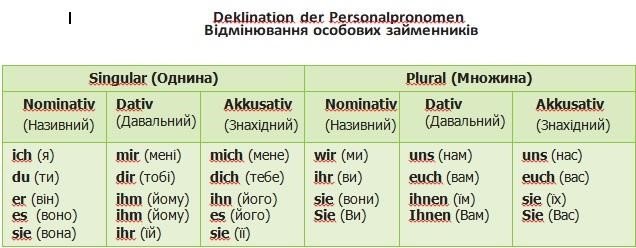
Let's focus on Personalpronomen (Personal Pronouns) first. These are pronouns like "I," "you," "he," "she," "it," "we," and "they." Here's a simplified chart:
| Pronoun | Nominativ (Subject) | Akkusativ (Direct Object) | Dativ (Indirect Object) |
|---|---|---|---|
| I | ich | mich | mir |
| You (singular, informal) | du | dich | dir |
| He | er | ihn | ihm |
| She | sie | sie | ihr |
| It | es | es | ihm |
| We | wir | uns | uns |
| You (plural, informal) | ihr | euch | euch |
| They | sie | sie | ihnen |
| You (formal, singular/plural) | Sie | Sie | Ihnen |
Notice that "sie" is used for "she" and "they." Capitalization of "Sie" distinguishes the formal "you" from "she" and "they." Also, the Dativ form of "they" (ihnen) is also capitalized, "Ihnen," when referring to the formal "You."
Examples in Action
Let's see these pronouns in sentences:
- Nominativ: Er ist mein Freund. (He is my friend.)
- Akkusativ: Ich liebe ihn. (I love him.)
- Dativ: Ich helfe ihm. (I help him.)
- Genitiv (rare): Das Auto seiner Schwester. (The car of his sister.) More common: Das Auto von seiner Schwester.
A Common Mistake
One common mistake is confusing the Akkusativ and Dativ. Remember to ask yourself: "Who/what is receiving the *direct* action?" for Akkusativ and "To/for whom is the action being done *indirectly*?" for Dativ.
Example: Ich gebe dir den Ball. (I give you the ball.) "dir" is Dativ because you are the recipient of the action of giving. "den Ball" is Akkusativ because it's the direct object - what's actually being given.
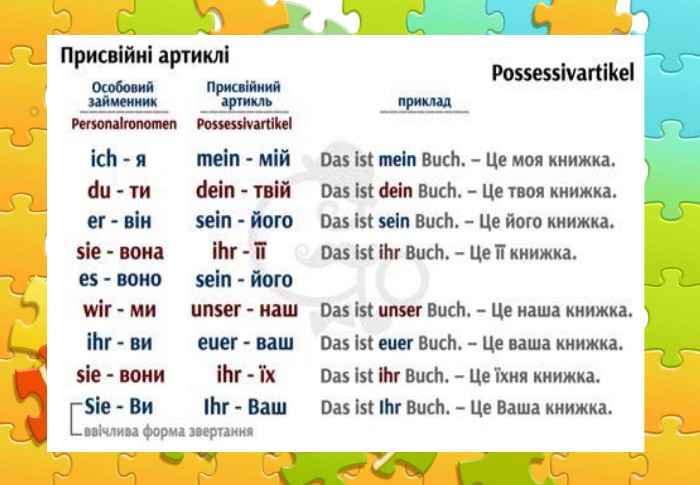
Possessive Pronouns: Mine, Yours, His...
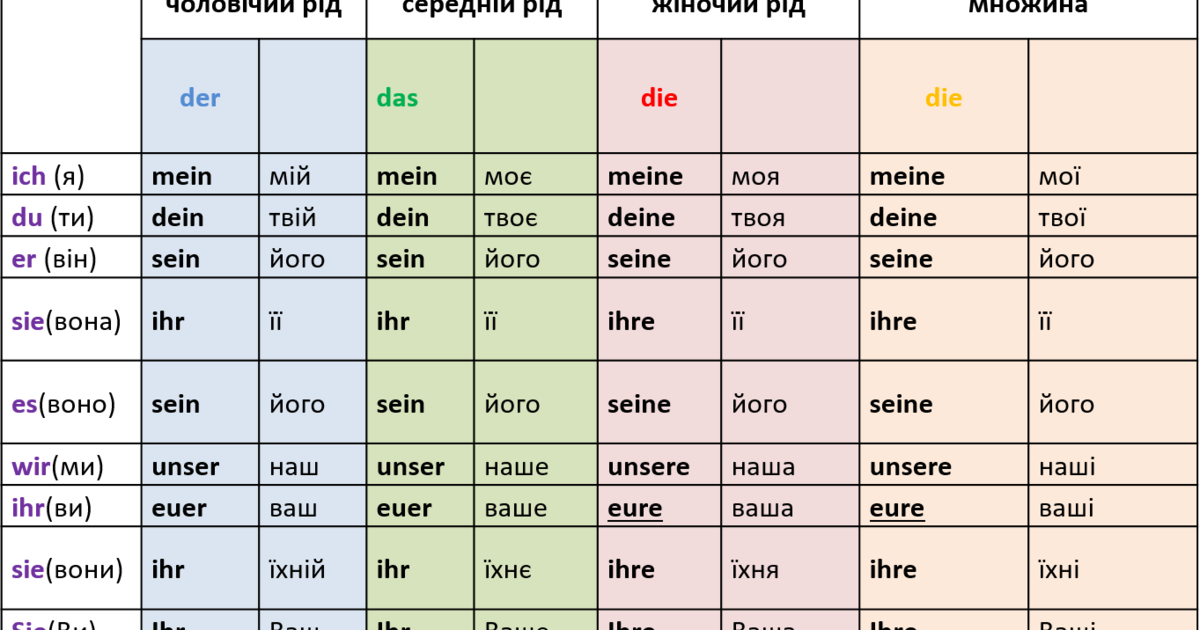
Possessivpronomen (Possessive Pronouns) also decline, but they agree in gender and number with the noun they modify, not with the possessor. This is a bit more complex and requires further study.
Examples:
- Das ist mein Buch. (This is my book.) "Buch" is neuter, so "mein" takes the neuter nominative ending.
- Das ist meine Tasche. (This is my bag.) "Tasche" is feminine, so "mein" takes the feminine nominative ending.
- Das sind meine Bücher. (These are my books.) "Bücher" is plural, so "mein" takes the plural nominative ending.
Practice Makes Perfect!
The best way to learn Pronomen Deklination is through practice. Do exercises, read German texts, and pay attention to how pronouns are used in different contexts. With time and effort, you'll master this important aspect of German grammar!